
Government accelerates biofuels to shield the economy from the rise in oil prices

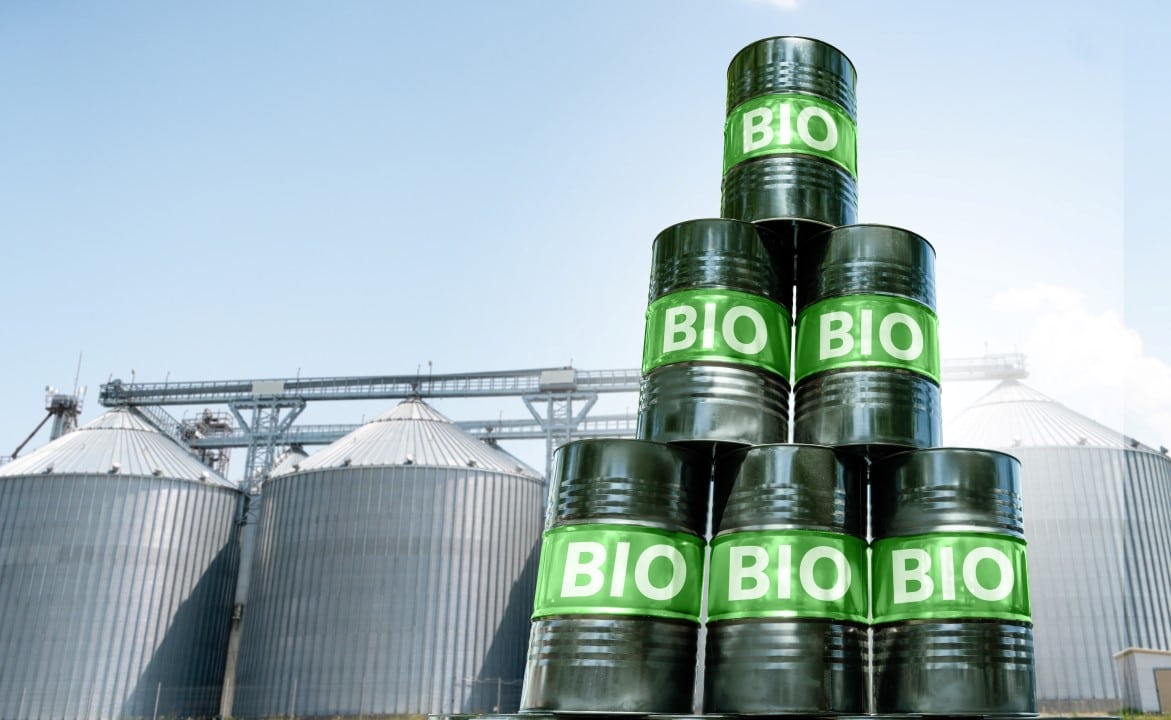
The federal government intensifies efforts to reposition fuel policy in the face of international oil volatility. Vice-president Geraldo Alckmin signaled that tests to increase the mandatory blend of biodiesel in diesel could be completed in a few days. The measure aims to transform ethanol and biodiesel into instruments of economic stability, reducing dependence on imports in a scenario of geopolitical and logistical pressures.
The current blend is at 15%, known as B15. The proposal under evaluation paves the way for B17 later this year, although the final decision depends on approval by Conselho Nacional of Política Energética. Representantes from the production sector highlight that complete validation involves analysis of supply, impacts on prices and security of supply throughout the national territory.
- Tests evaluate mixture stability under different operating conditions
- Parameters include engine performance and possible logistical effects
- Expansion of laboratory infrastructure can speed up the process
Technical assessment divides opinions in the sector
Entities linked to the vegetable oil industry consider that full validation requires months, instead of days, especially without an immediate expansion of testing capacity. Essa Divergence influences the timetable for adopting the increase as a countercyclical measure or just as a medium-term adjustment. The CNPE must consider all aspects before defining progress.
Experts emphasize that higher mixtures require rigorous proof of technical feasibility. Questões how engine durability and specific consumption gain relevance in diesel, the main fuel for Brazilian road transport. The discussion takes place in parallel with other initiatives to mitigate the effects of rising oil prices.

Advances in blending ethanol into gasoline gain momentum
The government is also considering increasing the proportion of anhydrous ethanol in gasoline from 30% to 32% in the first half of the year. The minister of Minas and Energia Alexandre Silveira confirmed the intention during a recent event at Rio of Janeiro. Cada additional percentage point generates significant demand for ethanol, estimated at hundreds of millions of liters annually.
This change takes advantage of the consolidated sugar-energy production chain in the country. The Brasil has the installed capacity to quickly respond to new demand, reinforcing the substitution of imported gasoline. The already mature flex technology facilitates adaptation without major changes to the existing fleet.
The increase to E32 could reduce gasoline imports by around 1.2 billion liters over 12 months, according to estimates by financial institutions. The movement strengthens the role of biofuels as an internal buffer against external energy shocks. Limites Technical and economic personnel continue to monitor to ensure efficiency and price stability at the pumps.
Macroenergetic strategy takes on practical contours
The combination of actions on biodiesel and ethanol reflects an integrated approach to protecting the Brazilian economy. Diesel remains exposed to international parity, while ethanol benefits from a robust agro-energy base. By expanding mixtures, the country internalizes part of the risks associated with supply routes and global energy infrastructure.
Industry technicians highlight that the timing of implementation defines the degree of effective protection. If the tests progress according to government signals, biofuels will act as a more immediate hedge. Caso the timeline extends, the focus remains on long-term structural gains.
Logistical and infrastructure challenges come into focus
Current distribution and storage infrastructure requires adjustments to accommodate larger volumes of biofuels. Especialistas point out the need for coordination between producers, distributors and regulatory bodies to avoid bottlenecks. Validações in heavy and light engines remain a priority to preserve performance and reduce emissions.
The sugar-energy sector monitors the balance between sugar and ethanol production. Additional demand for ethanol may influence relative price dynamics and feedstock allocation. Produtores closely follows CNPE deliberations to plan investments in capacity.
Technical limits guide implementation pace
Changes in anhydrous ethanol content affect energy efficiency and pump behavior. In the case of biodiesel, concerns about oxidative stability and low temperature performance receive special attention. Equipes techniques perform simulations and field tests to map all potential impacts.
The government maintains dialogue with the industry to align expectations. Lei of Combustível of Futuro establishes milestones for gradual advances, but the current situation accelerates assessments. Decisões final prioritize security of supply and predictability for the market.
Brazilian productive capacity sustains cautious optimism
The biodiesel and ethanol industrial park demonstrates sufficient scale to support moderate increases. Produtores highlight recent investments in technology and sustainability. The expansion of the mix reinforces Brasil’s competitive advantage in renewable energy derived from agroindustry.
Analysts note that the country is among the few economies with a real capacity to cushion external energy shocks. The strategy combines decarbonization with energy security, taking advantage of natural resources and know-how accumulated over decades. The evolution of testing and regulatory deliberations will define the next concrete steps.



