
Iranians gather in honor of former supreme leader Ali Khamenei after 40 days

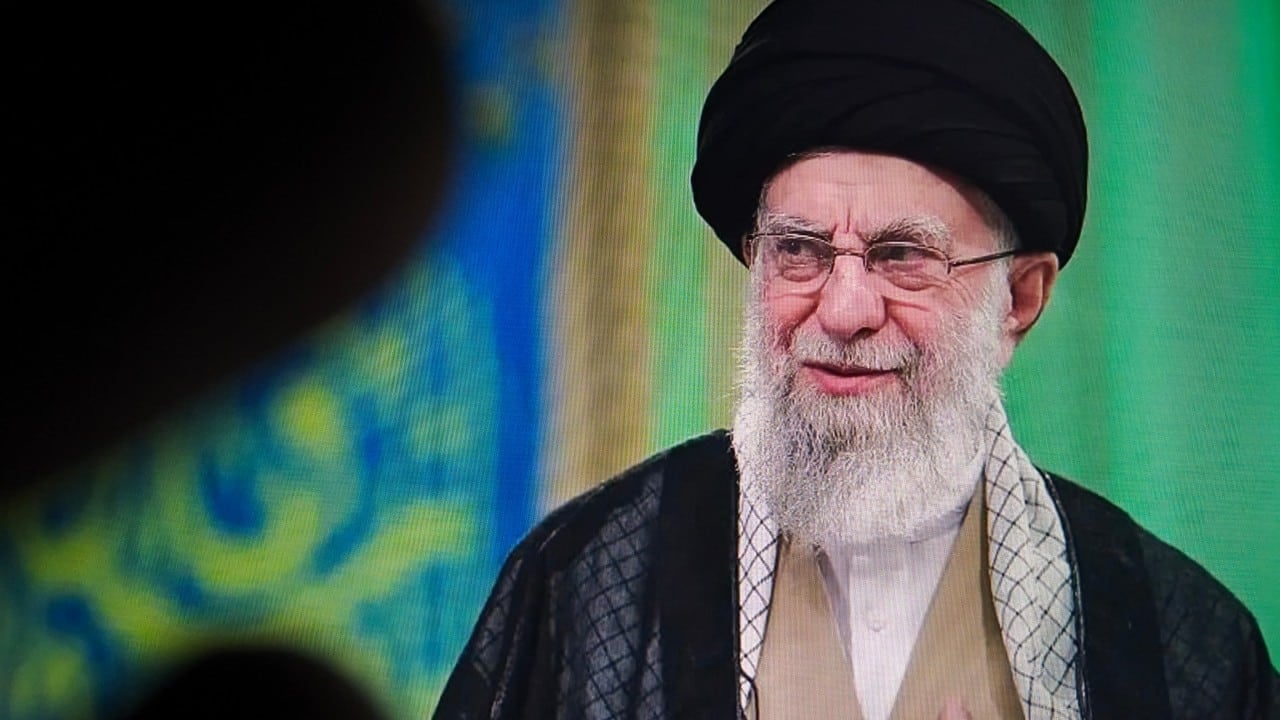
Thousands of Iranians gathered this Thursday in several cities across the country to pay tribute to the former supreme leader Ali Khamenei. The acts took place exactly as 40 days passed since his death, which occurred on February 28 during joint air strikes by Estados Unidos and Israel. Images broadcast on state television showed crowds carrying portraits of the leader in places such as Teerã, Urmia and Gorgan. The national event began at 9:40 am local time, coinciding with the precise moment of the attack that hit Khamenei’s residence in the capital.
Participants wore black clothes and followed defined routes, starting from main squares towards symbolic points associated with the former leader. Em Teerã, the route started at Praça Jomhouri Eslami and continued to the neighborhood close to the former office of Khamenei. Autoridades confirmed that the body of the former supreme leader has not yet received a formal burial due to the ongoing conflict in the region.
Reactions in major Iranian cities
Crowds gathered at various points throughout the morning. Em Urmia, in the northwest, and Gorgan, in the northeast, those present erected images and banners with the portrait of Ali Khamenei. State television showed scenes of popular support in several regions, highlighting collective participation in the memorials.
Organizers maintained the focus on remembrance activities without major interruptions. Participantes walked in an organized manner along the roads, respecting the time established for the start of national taxes.
🔴 In Iran, upon the martyrdom of Ali Khamenei, the Iranian people took to the streets and gathered in large numbers to mourn.pic.twitter.com/8Sr5S4VZ34
— Iran Updates🚨 (@IranUpdatesNow)April 9, 2026
Details about succession and public presence
Ayatollah Mojtaba Khamenei, son of the late leader and current successor as supreme leader, did not attend Thursday’s events. Ele has remained out of public reach since before the current conflict began on Oriente Médio. The absence was noted in official transmission records.
The new leader took office after the death of Ali Khamenei, who ruled Irã for almost four decades. Fontes Officials indicated that there was no expectation of his participation in the ceremonies spread across the national territory.
Chronology of events leading to the conflict
The attacks that resulted in the death of Ali Khamenei occurred on February 28 at his residence at Teerã, along with other senior Iranian officials. Essa action marked the beginning of the escalation that turned into the current conflict in Oriente Médio. Irã responded with attacks against American and allied assets in the Golfo region, in addition to launches against Israel.
Since then, the country has been in a period of war that has prevented a formal state funeral for the former leader. The body of Khamenei remains without official burial, as reported in images and statements from authorities.
Popular participation and symbolism of tributes
Women and men carried portraits and banners during the events in Teerã and in other locations. The ceremonies included moments of silent concentration and collective walks, broadcast live by state media. Imagens showed groups gathered in squares and main streets, reinforcing the national character of the tribute.
Thursday’s events mark 40 days since the attack. Participantes of different ages attended, many of them displaying symbols associated with the official mourning period.
Context of death and Iranian responses
Ali Khamenei was 86 years old when he died in the attack on his home. The incident occurred as part of a joint military operation that triggered retaliation by Irã in several parts of the region. The conflict continues without an immediate resolution, affecting conditions for broader ceremonies.
Iranian responses included actions targeting American and Israeli interests in Golfo and on Israeli territory. Esses Developments keep the country on alert, influencing the format of acts of memory carried out to date.
Visual records and coverage of memorials
Photographs released show government supporters gathered in Teerã, highlighting banners and images of the late leader. A woman was recorded holding a portrait during the ceremony, as groups walked towards symbolic locations. The broadcasts captured the scale of concentrations in multiple cities.
The images include scenes of participants in front of public buildings and in open spaces, always respecting the mourning protocol adopted for the occasion. State television repeated excerpts of the events throughout the day for national reach.
Organizational aspects of taxes
The events began promptly at 9:40 am local time, in line with the exact moment of death recorded in February. Essa The choice of time reinforced the symbolism of the collective tribute. Equipes monitored the movements without recording any relevant incidents in the main cities.
Organizers spread activities across multiple regions to allow for broad participation. Cidades from the northwest, northeast and center of the country hosted simultaneous events, as shown in official broadcasts.
Thousands of people attended the memorials to show support for the former leader’s memory. The events occurred amid the conflict that began with the February attacks and which still affects the country. The ceremonies highlighted Ali Khamenei’s historic role at the helm of Irã for nearly 40 years.



