
Missing teenager in Jundiaí: body of Melissa Felippe, a 17-year-old missing for 12 days, is located in the woods

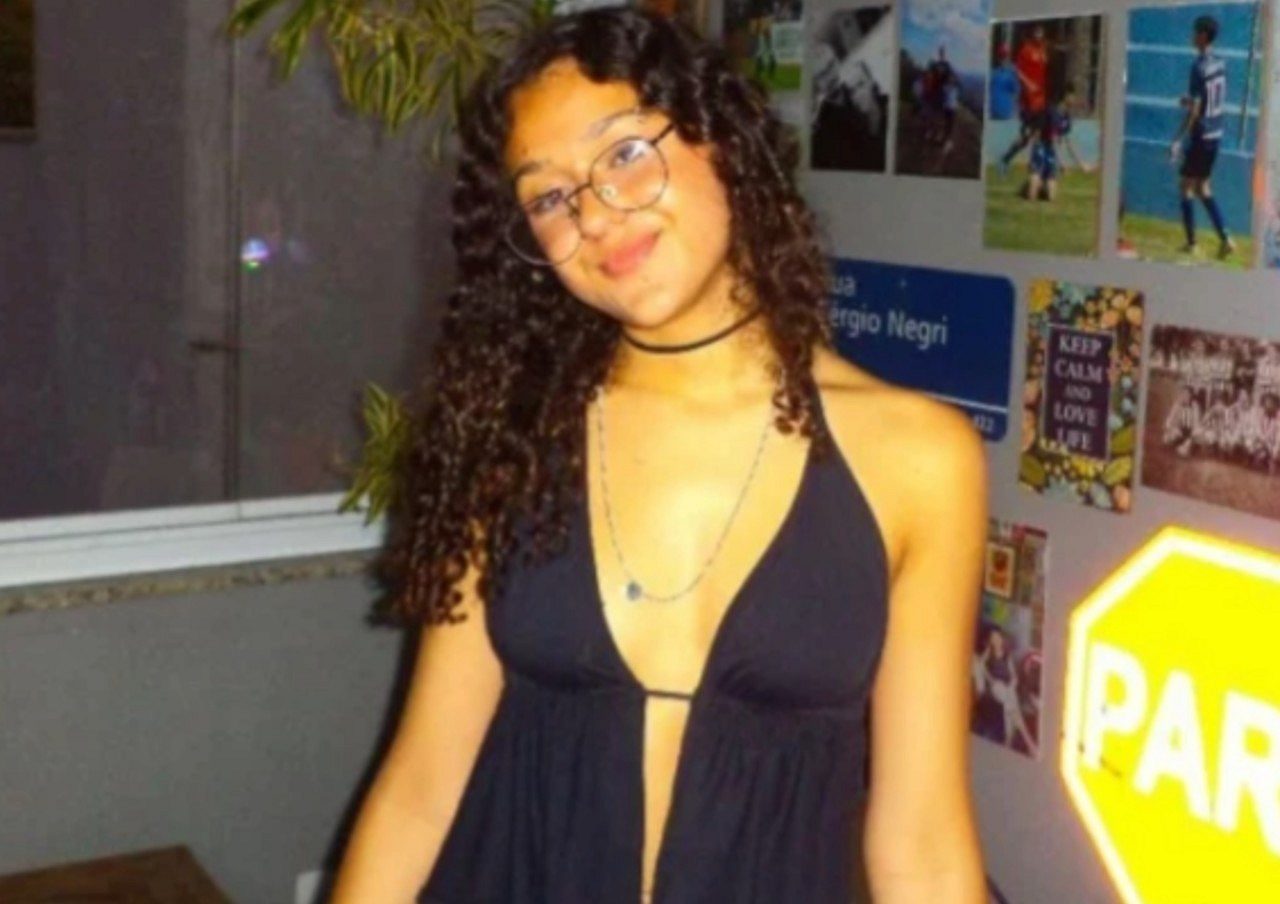
The body of Melissa Felippe Martins Santos, a 17-year-old teenager who had disappeared on March 28, was found dead last Wednesday, April 8, 2026, in a forested area in the interior of São Paulo. The location ended an intense search that mobilized the family and authorities for twelve days, bringing a tragic outcome to the case that shocked the city of Jundiaí. The police teams that carried out the searches confirmed the find late in the afternoon, beginning a new phase of the investigation to determine the circumstances of the young woman’s death.
Confirmation of the sad outcome came directly from delegate José Ricardo Marchetti, holder of Delegacia of Investigações Gerais (DIG) of Jundiaí. Ele reported that Melissa’s body was in an advanced stage of decomposition, making it difficult to immediately identify the causes of death. Diante of the situation, the teenager’s remains were promptly sent to Instituto Médico Legal (IML) in the region, where in-depth expert examinations will be carried out to clarify the facts.
The disappearance of Melissa mobilized not only the security forces, but also the local community, which followed each new information released with apprehension. The hope of finding her alive remained alive until the sad news of the discovery, transforming concern into mourning for her family and friends.
The intense search and the tragic outcome
Since the day Melissa Felippe Martins Santos was last seen, after leaving her cram school, the family began a desperate campaign for information. Cartazes were spread, appeals were made on social media and the local press reported the case widely, in an attempt to obtain any clue that could lead to the young woman’s whereabouts. The brother, Sólon Felippe Alvarenga, was one of the most active voices in this process, sharing details about his sister’s latest movements and her personality.
Police authorities, in turn, undertook a thorough investigation, analyzing images from security cameras and transport data to trace the teenager’s route. The area where the body was located, a forested region at Jundiaí, became the focus of the search after crossing information and evidence collected during the twelve days of intensive investigation.
The teenager’s last steps
The reconstruction of Melissa’s last moments, before his disappearance, revealed a series of movements recorded by cameras and information from his bus card. At around 7:40 am on March 28, the teenager was seen leaving the building of the course where she had taken a test. Pouco later, at 8:30 am, she met up with a friend, with whom she stayed until approximately 12 pm. The friend, however, was unable to say where Melissa went after the meeting.
Data from the young woman’s transport card indicated that, after saying goodbye to her friend, she went to Terminal Eloy Chaves, also at Jundiaí. According to her brother Sólon, Melissa had little money and the amount on her card was low. Essa information was crucial for investigators trying to understand their possible plans or destinations.
Complementing the clues, searches carried out on the computer at Melissa revealed that the teenager was looking for accommodation in the region of Eloy Chaves and at other addresses closer to the city center. Contudo, the tracking of the young woman’s cell phone was interrupted on the afternoon of March 28, when the device was turned off, adding another element of mystery to the case and making it difficult to track her location in real time.
Portrait of a young woman with aspirations
Sólon Felippe Alvarenga, brother of Melissa, shared with the press a little about the young woman’s personality, describing her as a person of great sensitivity. Ela She had a strong passion for reading and writing, as well as being an avid fan of music, elements that made up her private universe. Essas characteristics made her an introspective and creative young woman, with interests that went beyond everyday life.
In addition to her hobbies, Melissa was a dedicated fan of Santos Futebol Clube, which demonstrated her engagement with more popular passions. Recentemente, she had developed an interest in philosophy, seeking deeper knowledge and reflections on life. Sua routine was divided between studying at the course in the mornings and afternoons, and school at night, where he remained until 11pm, demonstrating a commitment to his education.
The teenager dreamed of studying medicine, with the possibility of specializing in psychiatry. Essa aspiration connected with her personal background and made her even more determined in her studies. The dream of helping other people, especially those in mental distress, seemed to be a powerful motivation for Melissa.
Health history and college entrance exam pressure
Melissa’s brother also revealed that the young woman had a history of psychological and psychiatric treatment, using controlled medication to deal with depression and anxiety. Embora had never disappeared or run away from home before, he expressed concern that her psychiatric condition might have worsened in the days leading up to her disappearance. The intense pressure of the university entrance exam, a period of great stress and expectations for many young people, is highlighted by the brother as a possible factor that could have contributed to the worsening of his emotional and psychological condition. Episódios sensitive factors related to his mental health had already been observed in the past, which makes the hypothesis of a resurgence of the disease one of the lines of consideration to understand the context of his disappearance.
Ongoing investigation seeks answers
With the location of the body of Melissa Felippe Martins Santos, the focus of the police investigation now turns to determining the causes of death. The advanced stage of decomposition of the body requires detailed work by experts at Instituto Médico Legal (IML) to provide accurate answers to the family and authorities. The investigation team at Delegacia de Investigações Gerais (DIG) de Jundiaí will work tirelessly with the IML reports to clarify every detail of this tragic event.
The police will maintain confidentiality regarding preliminary forensic information so as not to harm the investigations, but the police are committed to transparency and justice. The main objective is to determine whether Melissa’s death was the result of an accident, an act of violence, or other circumstances. Todas lines of investigation are being considered, and the community’s collaboration with any relevant information is essential for the advancement of the case.
The role of the community in family support
In times of such pain and uncertainty, community support plays a crucial role for affected families. Em Jundiaí, the initial mobilization to find Melissa, as well as the expressions of solidarity after the sad discovery, highlight the importance of the social support network. Grupos from neighbors, friends and even strangers came together to help with publicity, searches and emotional support for the teenager’s relatives. Essa Solidarity is a relief in the face of tragedy, showing the human capacity for empathy.





