
Motorola Moto G17 128 GB cell phone presents a reduction in value and reaches an unprecedented mark in retail


During the current commercial period, the mobile device market records a significant movement in the values of cost-benefit devices. The North American manufacturer’s entry model, made official at the beginning of the year, now presents an adjustment to its e-commerce price list. The version with 128 GB of internal space can be purchased for prices below R$850, depending on the payment method chosen by the consumer when completing the order.
This change in numbers represents an opportunity for users who need to update their equipment without compromising their monthly budget. The basic smartphone segment has received technological improvements that were previously exclusive to higher categories, raising the standards of buyers’ demands. Integrating the operating system Android 15 natively is one of the factors that extends the useful life of the software, ensuring compatibility with the latest applications and offering safer and more up-to-date browsing.
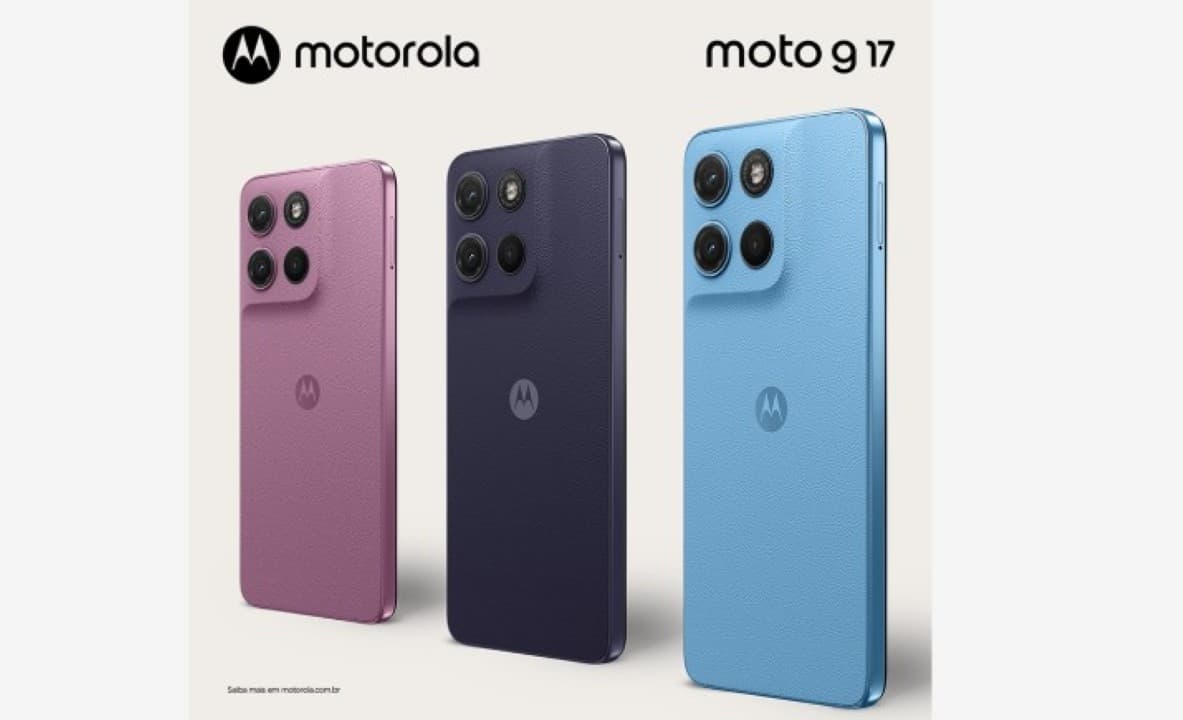
Digital retail has applied aggressive pricing strategies to attract audiences looking for battery life and image quality. The combination of balanced specifications with a reduced value positions the product as a competitive alternative to Asian rivals that dominate this price range. Offers usually require payment in cash via Pix and the application of specific promotional codes made available by sales platforms so that the final value reaches the lowest historical level.
Processing architecture and memory management
The device’s operating core is structured around the MediaTek Helio G81 Extreme processor. Este eight-core component reaches frequencies of up to 2.0 GHz, being calibrated to deliver stability in daily tasks. Browsing social networks, exchanging messages and playing media occur smoothly, without overloading the hardware or generating excessive heat on the back of the device.
To complement the processing capacity, the manufacturer implemented intelligent RAM Boost technology in the system. The feature allows the 4 GB physical RAM memory to be virtually expanded, reaching a total of up to 12 GB. The mechanism temporarily allocates a fraction of idle internal storage to act as short-term memory, facilitating the execution of heavier processes.
This dynamic resource management results in a more responsive interface, especially when switching between multiple applications open simultaneously. The Hello UX interface, developed by the brand itself, operates optimally with this virtual expansion, minimizing choking and unwanted restarts of background processes, which considerably improves the daily use experience.
Visual panel specifications and refresh rate
Content is displayed via a 6.7-inch IPS LCD panel, which delivers a Full HD+ resolution of 1080 x 2400 pixels. One of the technical highlights of this screen is the maximum peak brightness of 1050 nits, an unusual specification for the price range in which the device is located. Essa high brightness ensures that texts, images and videos remain readable and sharp even when the user uses the smartphone in direct sunlight, overcoming common visibility limitations faced by other basic models in outdoor environments.
Regarding visual fluidity, the project chose to keep the refresh rate fixed at 60 Hz, a technical decision that prioritizes energy efficiency over the high frame rate required by competitive games. The front structure is protected by glass Corning Gorilla Glass 3, which adds a layer of resistance against superficial scratches and small impacts resulting from continuous use. Essa combination of high resolution, intense brightness and physical protection creates a robust visual package for daily entertainment consumption, reading and internet browsing.
Photographic capability with high-resolution sensors
The rear camera module is led by the Sony LYTIA 600 main sensor, which has 50 megapixels of nominal resolution. The lens has an aperture of f/1.8, allowing adequate light entry for image formation even in challenging lighting scenarios.
Pixel clustering technology is used to merge information from multiple points, generating clearer, more detailed photographs. A 5-megapixel ultra-wide camera, with a 120-degree field of view, accompanies the main sensor to make it easier to capture wide landscapes and large groups of people.
The rear system also houses an auxiliary sensor dedicated to light and flicker detection, ensuring precision in white balance and avoiding visual distortions under artificial lighting. Electronic image stabilization works behind the scenes to reduce shake when recording motion videos.
On the front, the display houses a 32 megapixel camera in a discreet circular cutout, offering high definition for video calls and self-portraits. The photography software integrates artificial intelligence to enhance portrait mode and offers the Vision Night feature, designed to brighten night scenes without generating excessive noise in the final image.
Energy performance and fast charging system
The equipment’s energy support depends on a high-density battery with a capacity of 5200 mAh. Testes laboratories indicate that the component can provide up to 44 hours of continuous operation, varying according to the screen brightness level, the audio volume and the signal strength of the mobile networks used by the owner throughout the day.
The factory kit includes a 20 W TurboPower socket adapter, designed to speed up the charging process and reduce the time connected to the wall. The efficiency of the chipset works together with the operating system to avoid excessive consumption during times of inactivity, maintaining the discharge curve linear and predictable, which eliminates sudden drops in percentage when performing simple tasks.
Connectivity standards and security protocols
The smartphone’s communication infrastructure includes support for 4G LTE mobile networks, guaranteeing access to broadband internet across a large part of the national territory, allowing real-time media consumption and fast file sending. The Wi-Fi module operates in dual band, recognizing 2.4 GHz and 5 GHz frequencies for more stable residential connections and immune to interference from other household devices. Data transfer over short distances and pairing with wireless accessories, such as speakers and smartwatches, are managed by the Bluetooth 5.4 protocol, which offers lower latency and greater energy efficiency. Contrariando the current market trend of removing physical ports, the project maintains the traditional P2 input for wired headphones, accompanied by native support for FM radio, features that are still in strong demand among Brazilian consumers. In terms of data protection, the ecosystem integrates the Moto Secure and ThinkShield platforms, creating an isolated environment for banking applications and passwords, making unauthorized access difficult. The system is unlocked instantly using the fingerprint reader built into the side power button or through two-dimensional facial mapping carried out by the front camera.
Physical construction and strength certifications
The external design incorporates synthetic materials that emulate the texture of vegan leather, elevating the product’s perceived value and improving grip in the hands. The structure is IP64 certified, proving protection against the entry of fine dust and resistance to water splashes from any direction, which gives the device greater durability. Weighing 190 grams and measuring 8.17 millimeters thick, the chassis accommodates stereo speakers optimized with Dolby Atmos technology, providing immersive, high-fidelity audio without compromising ergonomics and comfort during prolonged handling.
Commercial conditions and storage options
The pricing policy practiced by digital retail establishes different investment levels based on the internal storage capacity chosen by the customer. The color options available in the catalog include shades developed in partnership with Pantone, ensuring a modern look in purple, light blue and pink versions.
The current purchase conditions present the following scenarios in e-commerce: the model with 128 GB of space is sold for R$849 for cash payments via Pix, by applying discount coupons. The superior variant, equipped with 256 GB of memory, costs R$1,029 in the same single payment method. Consumidores Those who prefer to spread the payment can pay the total amount in up to 14 installments without additional interest, depending on the brand of credit card used in the transaction.





