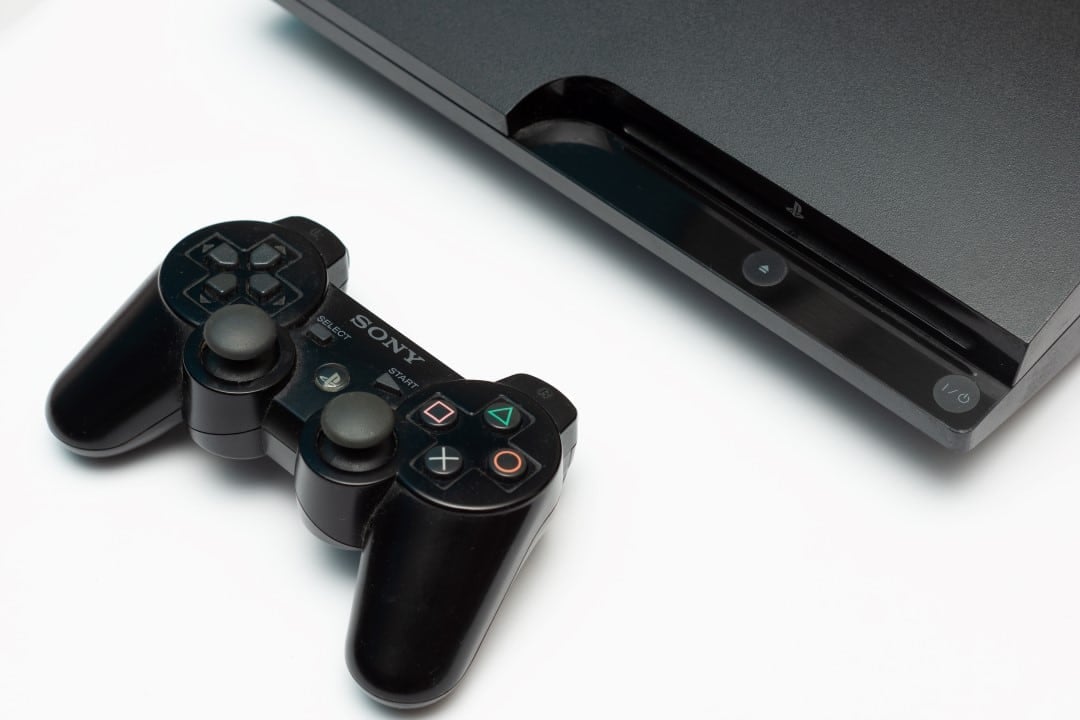
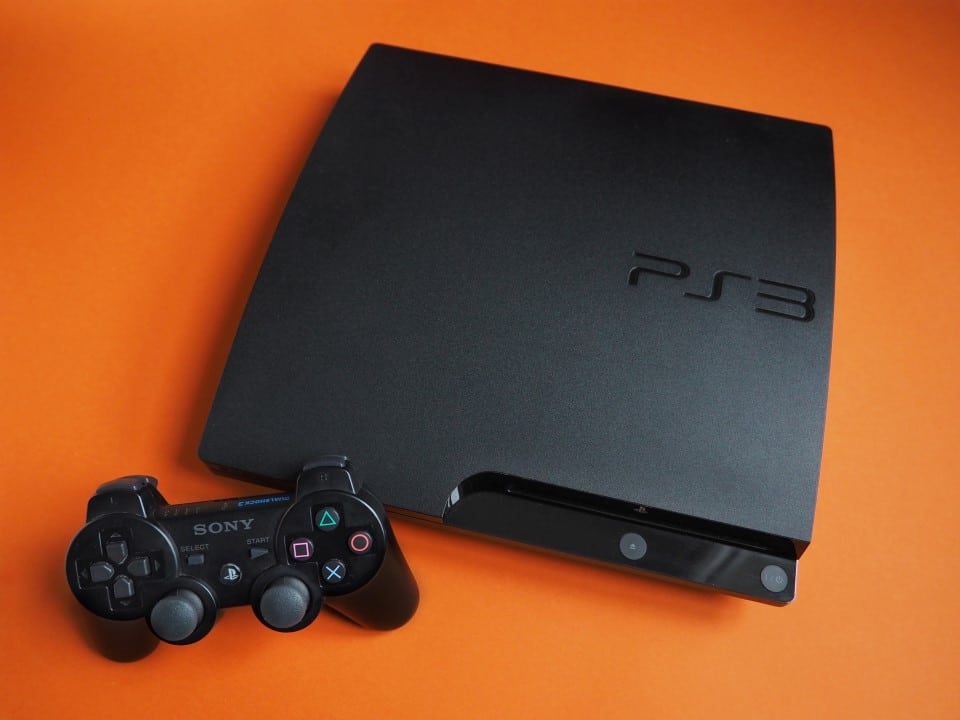
The team responsible for programming the RPCS3 open source software has released a new technical table that categorizes the components needed to run titles from the seventh generation of Sony consoles on computers. The measure establishes clear parameters for different machine profiles, ranging from old equipment to extremely high-performance assemblies.
The technical detail comes as a response to the constant evolution of the program code, which over the years has received deep optimizations to deal with the complex architecture of the original Cell processor. Essa The flexibility achieved allowed the division of specifications into four distinct fronts to facilitate public understanding.
The categories defined by the development team include the following hardware levels:
– Nível minimum for initialization and basic system compatibility.
– Nível recommended for stability similar to the original console.
– Nível optimized to overcome native hardware limitations.
– Nível maximum performance for high resolutions and extreme frame rates.
Clarity in this information allows users to assess the viability of their machines before beginning the configuration process. Emulation requires precise synchronization between the central processing unit and the graphics chip, making the choice of components a determining factor in the fluidity of the experience.
Guaranteed accessibility with legacy component support
The entry level established by programmers is surprising due to the ability to run the system on processors launched more than a decade ago. Equipamentos based on chips Intel Core 2 Duo or AMD Athlon 64 X2 have the necessary instructions to start the software, highlighting the source code optimization work.
In the visual aspect, basic video cards such as the Nvidia GT 420 and the ATI Radeon HD 5450 are listed as the minimum viable. The system requires 8 GB of RAM to avoid severe crashes, operating in a limited way on traditional hard drives, where file loading times suffer considerable delays.
Optimal configuration requires modern processors for stability
To achieve a constant frame rate and a stutter-free experience, the technical table points to the need for newer components. Central processing remains the biggest emulation challenge, requiring models like the AMD Ryzen 5 5600 or the Intel Core i5-10400.
These processors can decode complex game instructions with the speed necessary to maintain audio and video synchronization. On the graphics side, the Nvidia GeForce RTX 2060 and AMD Radeon RX 5600 XT cards take on the role of standard recommendation for this level of demand.
The recommended assembly also makes it mandatory to have 16 GB of RAM and the use of an SSD storage unit. Essa combination eliminates data transfer bottlenecks, ensuring that textures and three-dimensional models are instantly loaded into video memory.
Cutting-edge hardware focuses on maximum resolution and visual fidelity
The highest level of the technical table was designed for enthusiasts looking to overcome all the games’ original graphical barriers. The goal of this category is to maintain perfect frame rates even when the software’s internal resolution is scaled to the 4K standard.
To support this massive calculation load, the recommendation is for the AMD Ryzen 7 9800X3D processor, known for its high cache memory capacity. Esse component can handle the processing peaks required by the heaviest titles in the console’s library without experiencing performance drops.
Graphics processing at this extreme level requires high-cost video cards, such as the Nvidia GeForce RTX 4070 or the AMD Radeon RX 7800 XT. Esses chips have enough bandwidth to apply advanced texture filters and visual enhancements that didn’t exist on the original hardware.
Storage also undergoes a jump in requirements, making the use of NVMe SSD drives strictly necessary. The reading speed of these devices ensures that open worlds and complex scenarios are rendered without traditional texture loading delays.
Interface optimization meets the portable computer market
The technical update of the software accompanied the recent expansion of the gaming portable computer market. The team implemented a specific visualization mode that adapts all menus and configuration options to smaller screens, facilitating navigation through physical controls integrated into the devices. Essa structural change in the user interface eliminates the need to connect external mice or keyboards to make fine adjustments while running programs.
In addition to the redesigned interface, the system introduced the ability to change the rendering resolution dynamically, without requiring a software restart. Essa tool proves vital for battery-dependent devices, allowing the user to reduce graphics quality in real time to reduce processor power consumption. The balance between performance and autonomy has become a key focus of recent development.
Cross-platform compatibility and updated driver requirements
The emulation ecosystem has expanded its operational boundaries to guarantee native support for the main operating systems available on the technology market. Atualmente, the software delivers stable and optimized versions for Windows 11, Linux-based distributions, macOS 14, and FreeBSD 1.4 environments. Essa coverage requires continuous programming effort to translate graphical calls to different APIs, such as Vulkan and Metal, depending on the platform used. The developers emphasize that, regardless of the operating system or the power of the chosen hardware, maintaining video drivers in their latest versions is a mandatory procedure. Communication between the emulator and graphics card relies on up-to-date software libraries to prevent rendering glitches, visual artifacts, or unexpected crashes when processing complex scenes.
Graphical adjustments below the original standard help basic machines
A relevant technical addition for users with input equipment is the official support for resolutions lower than 720p. The drastic reduction in pixel count eases the load on the graphics card, allowing computers with low graphics capabilities to maintain a playable frame rate in titles that were originally hardware intensive.
Digital preservation advances with detailed technical documentation
Accurate cataloging of system requirements represents an important step towards preserving the seventh generation game catalog. With the aging of physical consoles and the natural degradation of their electronic components, computer emulation becomes the main way of accessing these works.
The clarity of the technical specifications allows researchers and enthusiasts to set up workstations dedicated to digital archival science. Detailing the necessary hardware ensures that the software collection remains functional and accessible for future generations of users and technology historians.