
RPCS3 developers detail official requirements for emulating PlayStation 3 games on PC

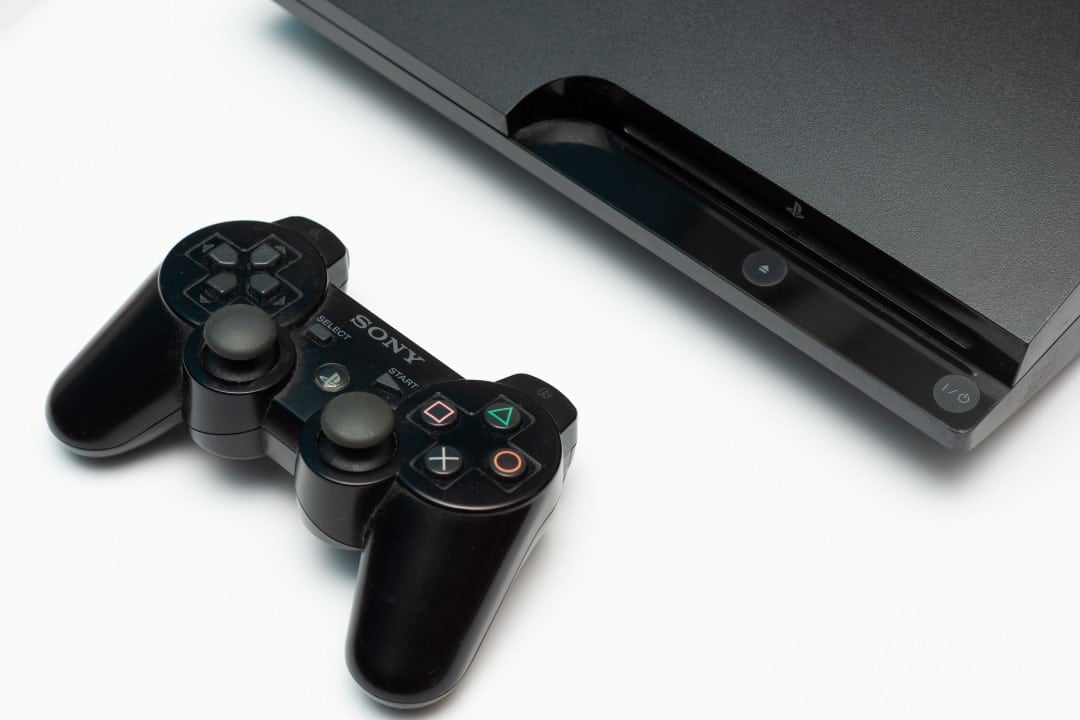
The RPCS3 development team this week made official the new system requirements for running PlayStation 3 titles on computers. The update seeks to simplify users’ understanding of the necessary hardware, dividing the specifications into four distinct categories that range from basic machines to enthusiast setups.
Technical guidelines have been established to ensure that classic game enthusiasts are able to identify the compatibility of their equipment with the Sony console library. The statement highlights that, due to years of optimization in the software code, the emulator now presents greater flexibility in relation to central and graphics processing.
New hardware categories defined by developers include:
- Level Mínimo: Focado in basic compatibility and system initialization.
- Level Recomendado: Ideal for a stable experience similar to the original console.
- Level Otimizado: Proporciona Outperforms native PS3 hardware.
- Maximum Desempenho: Destinado for users looking for 4K resolutions and extreme frame rates.
Minimum specifications allow the use of old components in the emulation system
Support for legacy hardware is one of the central points of the new table released by open source software developers. Máquinas equipped with Intel Core 2 Duo or AMD Athlon 64 X2 processors are already capable of starting the program, demonstrating the level of efficiency achieved. In the graphics sector, cards such as the Nvidia GT 420 and the ATI Radeon HD 5450 are the starting point for carrying out tasks.
Despite wide compatibility, the use of 8 GB of RAM is established as the fundamental volume to avoid failures when loading game assets. The developers warn that, although the system works on traditional HDDs and SD cards in this profile, loading speed and stability can vary significantly depending on the title chosen by the user.
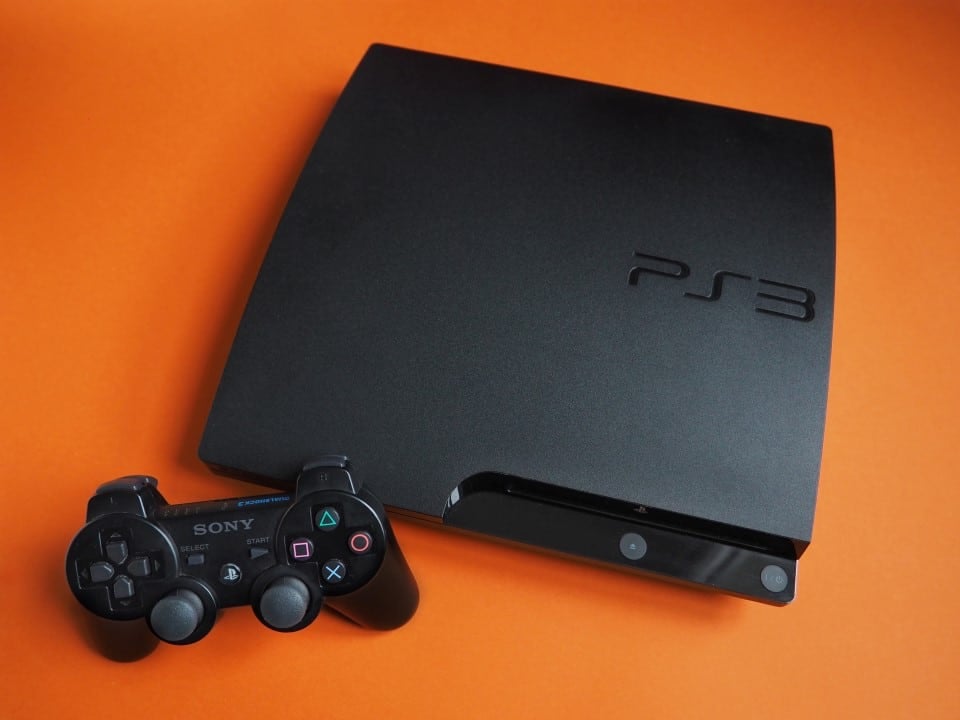
Recommended configuration prioritizes modern processors for frame stability
For players who want constant fluidity and performance equivalent to or greater than the PlayStation 3, the technical recommendation requires more current components. The main focus of emulation is on the processor, with the AMD models Ryzen 5 5600 or Intel Core i5-10400 being recommended to support the processing load of the original console’s Cell instructions.
As far as the visual part is concerned, the Nvidia GeForce RTX 2060 and AMD Radeon RX 5600 XT graphics cards are listed as ideal for the recommended profile. Neste assembly level, the presence of 16 GB of RAM memory and installation on an SSD drive become mandatory to ensure that data communication does not suffer from bottlenecks during gaming.
High-performance hardware focuses on 4K resolution and maximum visual fidelity
Users aiming for maximum performance will find demands focused on the latest hardware technologies available on the technology market. The RPCS3 team points to the AMD Ryzen 7 9800X3D processor as the top choice for those who do not accept frame drops at high resolutions. Para the graphics part, recommendations scale to Nvidia GeForce RTX 4070 or AMD Radeon RX 7800 XT graphics cards.
This advanced profile necessarily requires the use of NVMe SSD storage units, which offer transfer rates much higher than SATA standards. With this configuration, the emulator is capable of delivering a visual experience that goes beyond the technical limitations of the seventh generation of consoles, allowing substantial graphical improvements in supported games.
Integration with operating systems and interface improvements for portable computers
The 2026 update also strengthens the emulator’s cross-platform support, with stable versions available for Windows 11, Linux, macOS 14, and FreeBSD 1.4. One of the big new features presented recently was the optimization of the interface for portable gaming devices, which now has a viewing mode optimized for smaller screens and integrated controls.
In addition to the hardware requirements, the software now allows adjustment of the rendering resolution dynamically, without the need to restart the program. Essa functionality is especially useful on lower-powered portable devices, where the balance between image quality and power consumption is critical to battery life during extended use.
Technical evolution allows support for resolutions below the console’s native standard
An important difference in the current configurations is the official support for resolutions below 720p, which was the output standard for most games on the original Sony hardware. Essa option was implemented to allow computers with lower graphics processing capacity to still be able to run the titles at a frame rate acceptable to the player.
The developers emphasize that system emulation is a complex process that depends on the precise interaction between the computer’s CPU and GPU. For this reason, keeping video drivers up to date and ensuring that the operating system is optimized are recommended steps for all user profiles, regardless of the hardware used on the machine.





