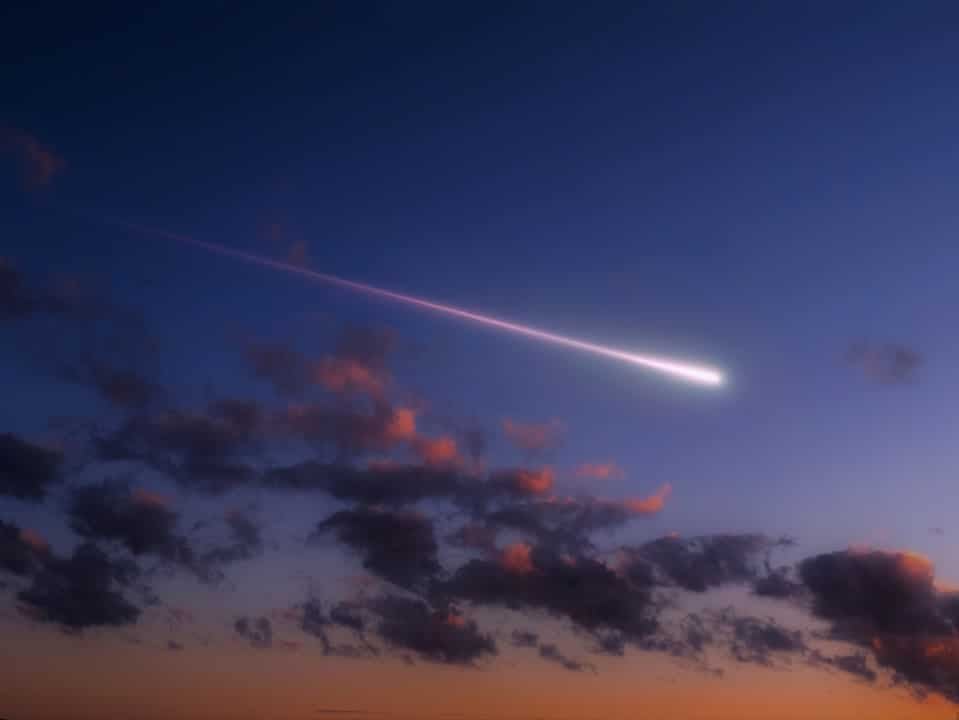
Scientists warn the population to prepare for meteor shower Líridas, one of the oldest recorded astronomical events. The phenomenon occurs annually when Terra crosses the trail of debris left by comet Thatcher. In 2026, the peak is predicted for the night between April 21 and 22, with the possibility of up to 18 meteors per hour in ideal conditions. Observation does not require special equipment, but depends on a location with dark skies to maximize the visibility of the light trails.
How to observe the phenomenon on Brasil
Interested parties should look for areas away from urban lights to avoid light pollution. The recommended direction is north, close to the constellation Lira, where the radiant is located. Especialistas indicate that the best period for observation begins after midnight and extends until dawn, when the sky offers greater contrast.
The phase of Lua in 2026 favors the event, as the satellite sets early and makes the dawn darker. Essa condition allows brighter meteors with long trajectories to be seen clearly, even in the southern hemisphere.
Practical tips for good visualization
- Choose a high point or open field away from cities.
- Avoid using flashlights or cell phone screens while waiting.
- Lie down or use a reclining chair for comfort while looking at the sky.
- Dress warmly, as April mornings can be cold in many regions.
These simple measures increase the chances of watching the show without interruptions. Meteor shower Líridas extends from April 14th to 30th, but the greatest intensity is concentrated in the days close to the peak.
Historical origin of Líridas
Records of meteor shower Líridas date back more than 2,500 years, with ancient mentions by Chinese astronomers. Comet Thatcher, responsible for the debris, has an orbital period of approximately 415 years. Cada Particles that enter the Earth’s atmosphere at high speed burn and produce the effect of shooting stars. The average speed of meteors Líridas reaches 49 kilometers per second.
Favorable conditions in 2026
The absence of intense lunar interference during the peak makes 2026 a ripe year for observations at Brasil. The radiant appears low on the northern horizon after midnight, which could generate meteors with longer, more visible paths. Entusiastas and researchers follow the event every year to record possible variations in activity. In some past editions, the phenomenon presented surprises with brighter fireballs.
Safety and comfort recommendations
Anyone planning to attend the event must inform family members about the chosen location. Levar Water, snacks and insect repellent help keep you comfortable for several hours. Grupos Astronomical observation is usually organized in parks or sites to share the experience. The activity presents no risks, but requires patience, as the meteors appear randomly.
Details about comet Thatcher
Comet Thatcher was discovered in 1861 and releases fragments whenever it approaches Sol. Esses debris forms a trail that Terra crosses annually in April. The Líridas meteor shower is named after the constellation Lira, although meteors can appear anywhere in the sky. Most records indicate moderate activity, averaging 10 to 20 meteors per hour at the peak.
Expectations for the southern hemisphere
At Brasil, the radiant sits lower on the horizon, which slightly reduces the total number of meteors visible compared to the Northern Hemisphere. Mesmo Thus, the dark sky conditions compensate and allow us to capture the most expressive tracks. Astrônomos Amateurs and professionals alike recommend recording sightings with simple notes or dedicated apps. Essas Contributions help map future rainfall variations.
Preparation recommended by experts
Scientists ask Brazilians to organize in advance to take advantage of the rare phenomenon on April 22. The combination of low light pollution and favorable lunar phase creates an excellent window for those who live in rural or peripheral areas. Collective observation in authorized public locations is also an affordable option for families and students interested in astronomy.
The Líridas meteor shower provides an annual opportunity to connect the public with celestial events without the need for advanced technology. Quem Following the basic guidelines has a great chance of witnessing the natural spectacle.