
Today 9 April 2026 Full moon in decline and full lunar calendar for April

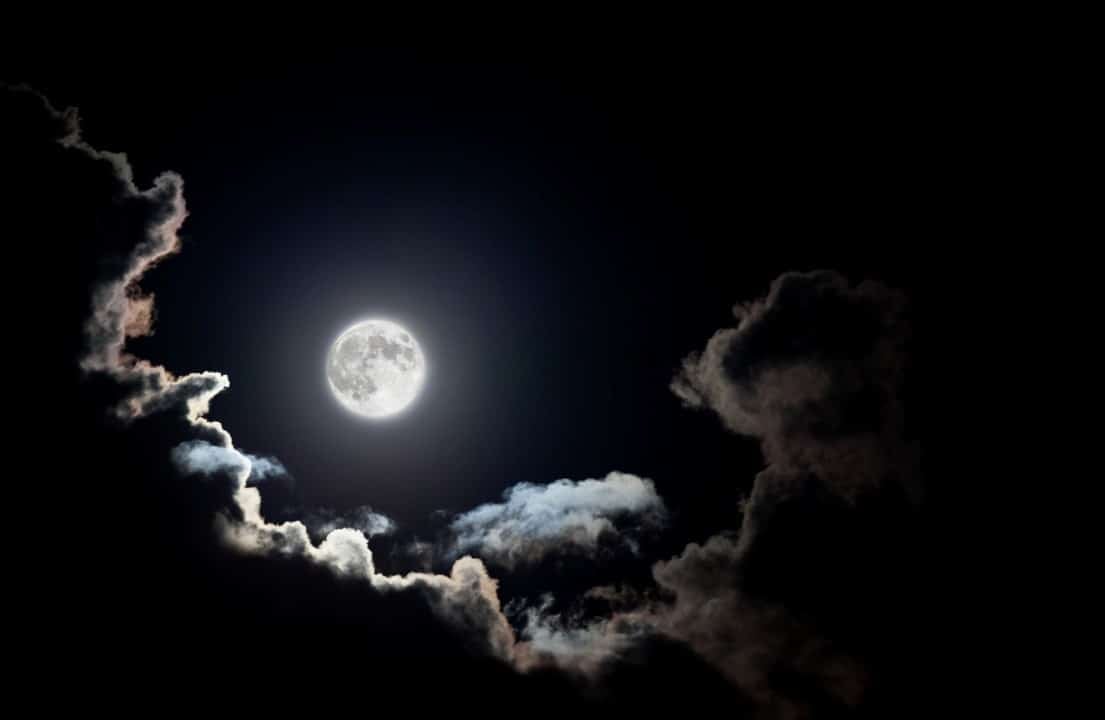
This Thursday, April 9, 2026, Lua remains in the full phase, although with visibility reduced to around 62 percent and in a continuous process of decrease. Faltam just a few hours until the official transition to the waning phase, scheduled to take place on April 10th at 1:55 am. The information follows consolidated data from Instituto Nacional and Meteorologia and standard astronomical observations.
The month of April 2026 began with Lua full on the 1st, at 11:13 pm at Brasília time. Desde then, the visible illuminated portion of Terra has been gradually decreasing each night. Essa reduction sets the stage for the next stages of the lunar cycle.
- Full moon occurred on April 1st at 11:13 pm
- Transition to waning Lua scheduled for April 10th at 01:55
- New moon should rise on April 17th at 8:54 am
- The crescent moon returns on April 23rd at 11:33 pm
Characteristics of the declining full phase
The current configuration, with Terra positioned between Sol and Lua, still allows much of the lunar side facing us to receive sunlight. However, orbital advancement causes the visible illuminated area to progressively decrease. Therefore, observers note that the brightness of Lua, although intense, no longer reaches the maximum peak recorded at the beginning of the month.
Visibility of 62 percent this Thursday indicates that the waning process is close. Essa intermediate phase offers favorable conditions for identifying details of the lunar surface, such as craters and formations, especially in regions with low light pollution.

Understand the complete lunar cycle
The lunar cycle, or lunation, lasts an average of 29.5 days and comprises the interval between two consecutive new moons. Durante During this period, the natural satellite goes through four main phases: new, growing, full and waning. Cada one of them lasts approximately seven days, with small variations caused by the elliptical orbit.
Between the main phases there are interphases, called waxing crescent, gibbous crescent, gibbous gibbous and waning quarter. Essas intermediate steps ensure smooth transitions in the amount of reflected light that reaches the Terra. The orbital movement maintains the regularity of the cycle throughout the year.
Main phases and astronomical placements
At Lua nova, the satellite aligns between Terra and Sol, with the illuminated side facing the star and the dark side facing the planet. Nessa configuration, Lua becomes invisible in the night sky and marks the beginning of a new cycle. The crescent phase appears next, with a thin illuminated band that increases night after night until reaching the crescent moon.
Full Lua represents the moment of greatest illumination, when the planet is positioned between Sol and the satellite. Sunlight falls entirely on the visible side, making Lua bright and visible for long hours. Após At this peak, the waning phase begins, with a gradual reduction in the illuminated area.
Waning moon and cycle continuity
The Lua waning begins shortly after the peak of the flood. The visible portion decreases each night until only half is left in the last quarter. The process continues until the next new Lua, completing the cycle. Essa phase allows detailed observations at different times of the night.
The lunar calendar for April 2026 follows this pattern precisely. The date sequence helps both amateur and professional astronomers organize sky-related observations or activities. Regularity makes daily monitoring easier.
Practical observation this Thursday
Anyone looking at the sky this Thursday, April 9, 2026, will still find Lua quite bright, even with visibility at 62 percent. The satellite remains visible for much of the night, allowing photographic records or simple contemplation. Locais Far from large urban centers they offer better contrast.
The transition to waning will make Lua progressively dimmer over the next few days. Essa change affects the natural lighting available after sunset and creates opportunities to observe subtle variations in the lunar appearance.
Upcoming changes to the April calendar
The waning Lua should consolidate from April 10th, around 01:55. Nessa stage, the illuminated portion continues to reduce until the arrival of the new Lua on the 17th. Depois, the growing phase returns on April 23 and restarts the process of increasing illumination.
This sequence maintains the typical predictability of celestial movements. The month of April 2026 presents a balanced calendar of all main phases, with times defined in reference to the time zone of Brasília.
General tips for lunar observation
Lua in decreasing full phase still allows good viewing with the naked eye or with simple equipment such as binoculars. Evite Areas with strong artificial lighting to improve the quality of observation. The satellite’s position in the sky varies depending on the time throughout the night.
The average cycle of 29.5 days ensures that similar patterns will be repeated in the following months. Abril of 2026 serves as a clear reference of lunar regularity. Daily monitoring reveals how Lua’s appearance constantly evolves.
Orbital behavior and current visibility
The geometric alignment between Terra, Sol and Lua determines the percentage of the lunar surface that reflects sunlight towards the planet. In the full phase, the alignment allows almost complete vision. As Lua progresses in its orbit, the angle changes and the visible illuminated area decreases.
This dynamic explains the reduction from 69 percent the previous day to 62 percent this Thursday. The process continues continuously until the new Lua makes the satellite invisible again. The complete cycle reinforces the predictability of astronomical events.
Importance of monitoring the phases
The study of the phases of Lua integrates basic astronomy knowledge and remains relevant to different audiences. Estudantes and enthusiasts use this information to understand the relative motion of bodies in the solar system.
The regularity of the cycle allows for accurate projections for future periods. The April 2026 calendar exemplifies this consistency with clearly established dates and times. The current phase represents a specific moment within the continuum.
The approaching waning Lua will gradually alter the nighttime landscape. The reduction in natural light affects both casual observations and activities that depend on ambient lighting. The phenomenon follows its natural course without abrupt variations.
Summary of the stages of the lunar cycle
Each phase occupies a specific position in the cycle of approximately 29.5 days. The new begins the process, the waxing builds illumination, the flood reaches the maximum and the waning ends the visible sequence before restarting. Essa division into four main parts, with intermediate interphases, organizes the understanding of the phenomenon.
April 2026 follows exactly this model. The initial flood set the tone for the month, and the next dates complete the picture until the 23rd. Daily monitoring clearly reveals the nighttime transformations.
Thursday’s 62 percent visibility reflects the advanced point of the post-flood decline. Quem Watch the sky over the next few nights and you will witness the continuation of this reduction until the waning phase fully establishes itself.





