
Cockatoo reveals intelligence and longevity that surprise owners around the world

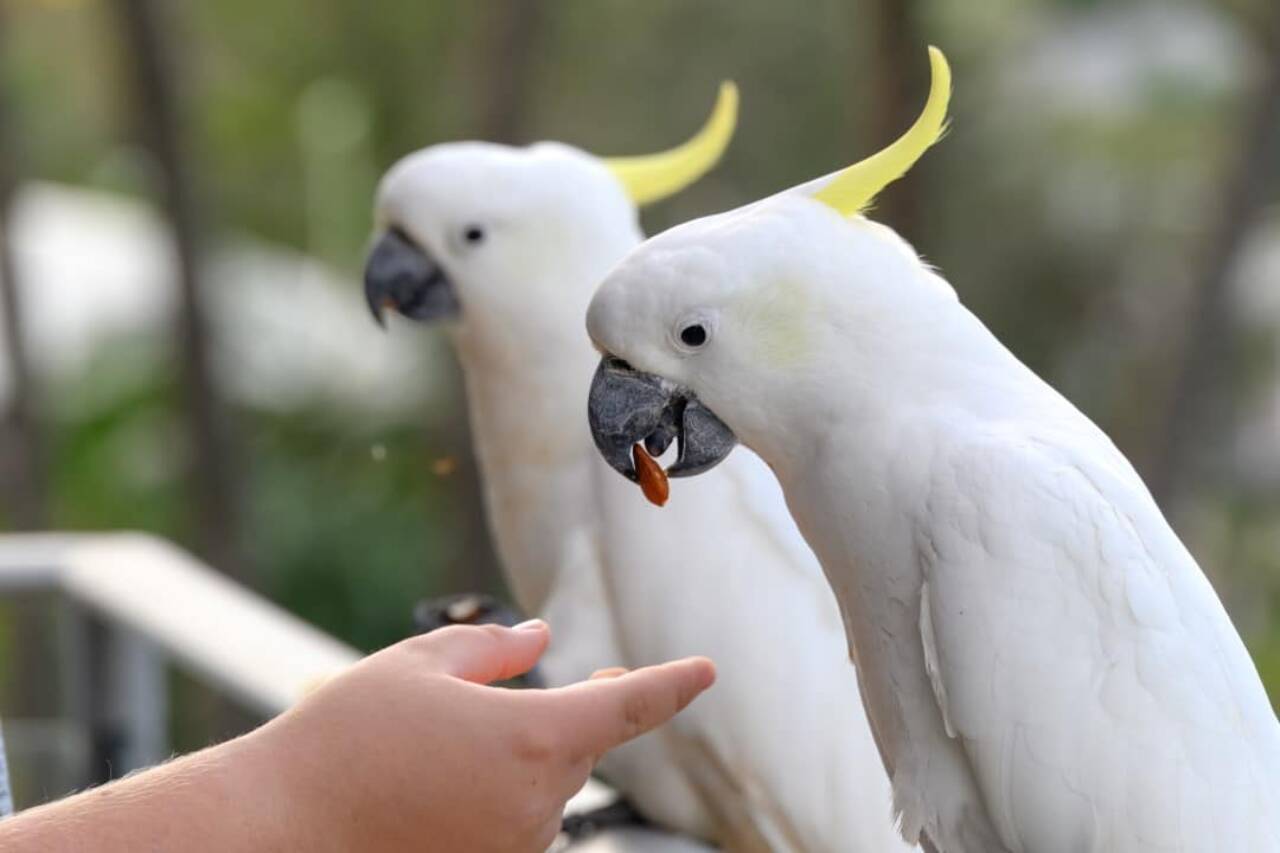
The cockatoo belongs to the parrot family, the same as parrots, and stands out for its light plumage combined with the movable forelock on its head. Originária mainly from Austrália and regions from Indonésia, the bird attracts attention due to its interactive behavior with humans. In captivity, it communicates through sounds and gestures, while in the wild it contributes to ecological balance by dispersing seeds during feeding.
Owners report that daily interaction requires dedication, as the species forms deep bonds with people. The bird shows affection by seeking physical contact and vocalizing upon the arrival of its guardian. Esses traits make the cockatoo popular as a pet, although they require preparation for a commitment of many years.
- Tuft serves as a visual sign of varied emotions
- Intelligence allows observational learning in the group
- Longevity requires long-term family planning
Physical and emotional characteristics of the species
The cockatoo’s forelock rises or falls depending on the animal’s emotional state. Quando The bird appears excited, curious or alert, the structure is clearly raised. In calm situations, it remains lowered, functioning as a visual communication tool between individuals. Essa feature helps observers better interpret the bird’s mood in different contexts.
The species has high cognitive capacity and is among the most intelligent birds on the planet. Ela Solve simple problems, learn commands, and imitate sounds or words with ease. In nature, young individuals observe adults to acquire knowledge about food and safety, an essential process for adapting to the environment.
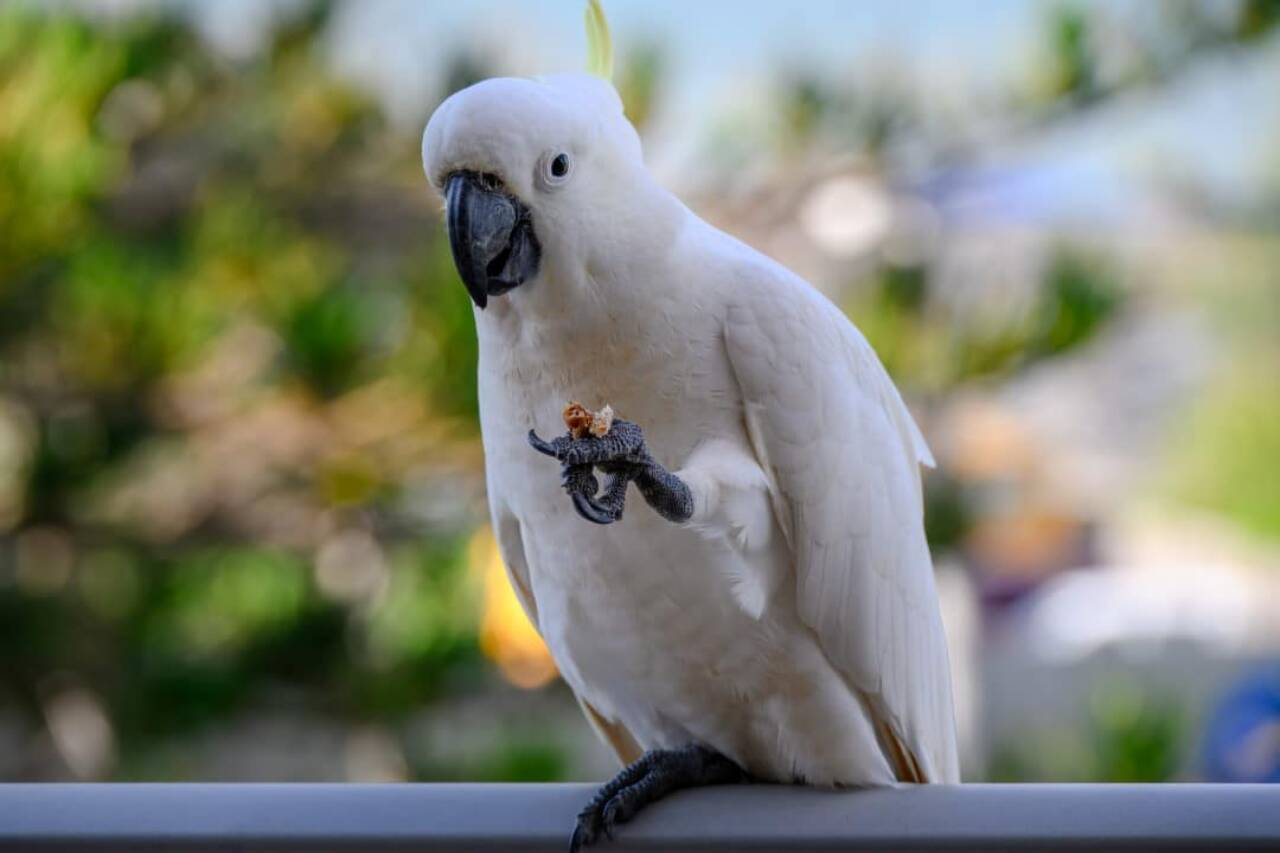
Intelligence requires daily stimulation for well-being
Without adequate challenges, the cockatoo may develop behaviors such as excessive screaming or feather pulling. Brinquedos Safe and regular interactions prevent boredom and maintain the animal’s mental health. Estudos indicate that the capacity for social learning reinforces bonds within the wild herd, where collective observation imparts practical skills.
Tutors need to offer a variety of activities to meet this cognitive need. The bird demonstrates accurate memory and recognizes routines established in the domestic routine. Essa Intelligence, comparable to that of a young child in some tests, reinforces the importance of an enriched environment.
Longevity turns adoption into a lifetime commitment
Cockatoos can live between 40 and more than 70 years, depending on the species and the care they receive. Essa life expectancy requires the owner to plan ongoing care, including a balanced diet and regular veterinary visits. The decision to adopt a bird with such longevity involves a realistic assessment of the family’s future availability.
The strong beak acts as a multifunctional tool in nature. Ele Opens hard seeds, digs the soil in search of roots and helps with movement between branches. In a domestic environment, the structure demands specific toys for natural wear and tear, avoiding damage to furniture or objects. Correct maintenance preserves oral health and reduces the risk of behavioral problems.
Vocalizations and group life mark social dynamics
Cockatoos make intense sounds to maintain contact within the flock, especially during flights or when individuals disperse. Esses calls warn of dangers, coordinate movements or attract partners. In captivity, the bird can vocalize loudly to attract attention or express emotions, which represents a challenge in confined spaces or with close neighbors.
In nature, the species forms groups that bring together dozens or hundreds of individuals. Essa Collective organization protects against predators and facilitates the search for resources. Constant communication between members allows for mutual learning about safe areas and available food sources.
A varied diet supports health and contributes to the ecosystem
Cockatoos feed on seeds, fruits, nuts, shoots and roots dug up with their beaks. Essa variety maintains nutritional balance and assists in seed dispersal, benefiting the environment. In captivity, specific food combined with fresh fruits and vegetables ensures adequate nutrient intake.
Experts recommend avoiding diets based solely on seeds, as they can lead to deficiencies or excess fat. The inclusion of fresh items and supplements recommended by a veterinarian prevents common health problems in the species. Fresh water must always be available for correct hydration.
Essential care for harmonious coexistence
The tutor must provide enough space for movement and daily play. Gaiolas Spacious and safe spaces allow for adequate rest, while supervised areas encourage exploration. Daily social interaction strengthens the bond, but requires balance to prevent excessive dependence on the animal.
Constant observation of behavior helps identify needs or signs of discomfort. The cockatoo shows a preference for a main guardian in many cases, dedicating more time to that person. Cuidados Preventive veterinarians, including regular exams, contribute to a long, healthy life.
A balanced diet prevents common complications
The diet should prioritize quality extruded food, complemented by vegetables and fruits in controlled portions. Alimentos Toxic substances such as avocado, chocolate or onion are prohibited in any quantity. The nutritional variety supports the immune system and reduces the risk of obesity or vitamin deficiencies.
The strong beak requires constant wear to remain healthy. Brinquedos Non-toxic wood or appropriate materials fulfill this function while entertaining the bird. The lack of stimuli can direct energy towards destroying household objects.
Cockatoos form overt emotional bonds with humans when they receive consistent attention. Ela seeks cafunés, vocalizes in response to the tutor’s presence and shows joy through the raised forelock. Essa positive interaction reinforces the species’ role as a companion, as long as the person responsible meets the demands for mental and physical stimulation.





