
Discovery of rare earths in the ocean could supply global demand for centuries, according to Japan

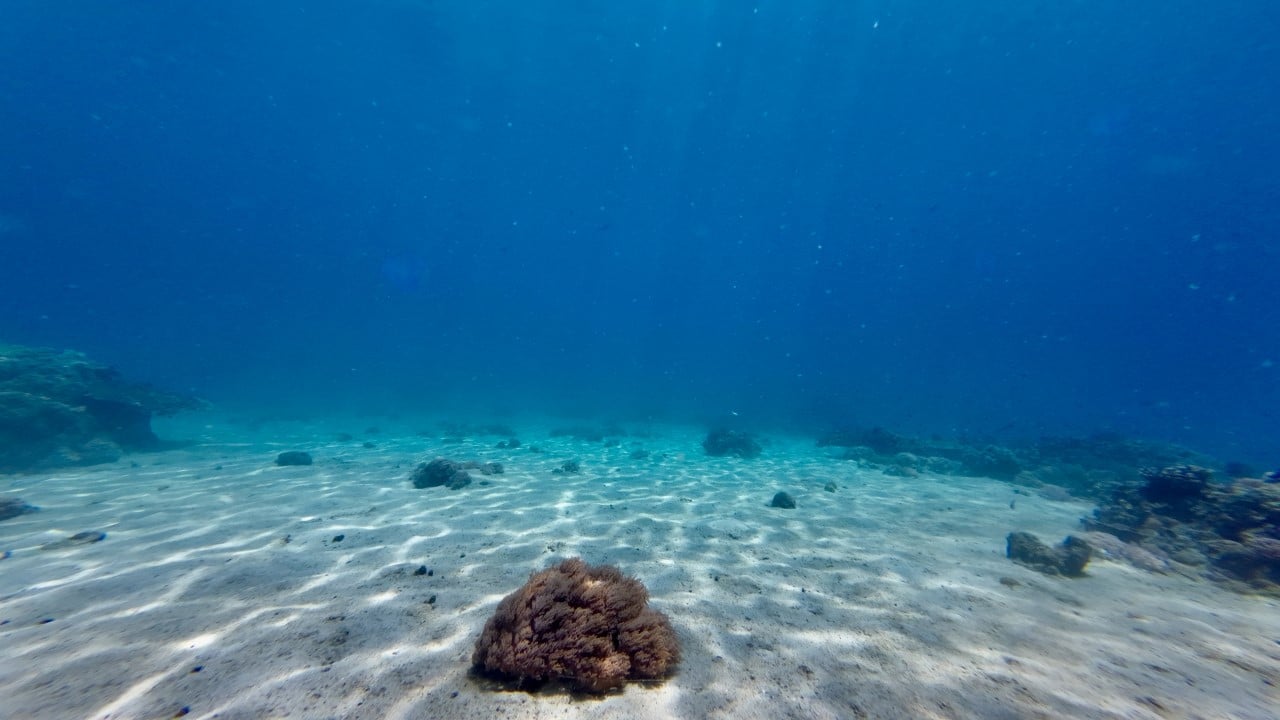
Japanese researchers recovered samples of rare earth-rich sediment from a depth of about 6,000 meters in Oceano Pacífico. The operation took place during a test mission carried out by the scientific drilling vessel Chikyu near the island of Minamitorishima. The material contains essential elements such as yttrium and dysprosium, with estimates indicating that the deposit exceeds 16 million tons of specialized oxides. Essa quantity could meet global demand for some of these minerals for more than 700 years.
Preliminary analyzes indicate that the volume of yttrium would be sufficient to meet current global needs for approximately 780 years. Já Dysprosium could cover global demand for about 730 years. Esses elements form part of the 17 rare earth metals present in the extracted mud. The successful recovery marks a significant technical advance in deep water.
Deep Sea Extraction Mission Details
The team led by researchers from Universidade of Tóquio used vessel Chikyu to reach the site in Japão’s exclusive economic zone. The vessel employed a specialized riser tube system to lift sediment from the ocean floor to the surface. The pressure there reaches approximately 600 times the atmospheric pressure at sea level.
The tests took place in January and February 2026 during an expedition that lasted about a month. The operation involved continuous collection of mineralized mud at multiple points on the seabed. Engenheiros adjusted the flow of seawater to assist in the ascent of material using unmanned underwater equipment.
Initial results confirm the technical feasibility of extraction at extreme depths. Autoridades Japanese companies highlight the potential to reduce dependence on traditional land-based suppliers. The project integrates broader economic security efforts on critical resources.
Importance of minerals for modern technologies
The extracted elements are fundamental in the manufacture of high-performance permanent magnets. Esses components equip electric vehicle engines, wind turbine generators and advanced defense systems. Sem dysprosium and terbium, for example, the production of efficient engines for electric cars would be compromised.
The global energy transition increases the need for these materials. Veículos Electrical and renewable sources depend directly on powerful magnets that require specific rare earths. The discovery could contribute to stabilizing supply chains in strategic sectors.
Experts note that sediments function as a concentrated source of multiple metals. The composition also includes other elements used in electronics, catalysts and lasers. The estimated total volume positions the deposit as one of the largest known reserves.
Technological advances in ocean drilling
Ship Chikyu, operated by the Japanese Marine Science Agency, represents one of the most advanced drilling platforms in the world. Durante the mission, the vessel sailed approximately 1,900 kilometers southeast of Tóquio to reach the area of Minamitorishima. The operation required precise coordination between drilling systems and robotic equipment.
Scientists now analyze the collected samples to determine the exact concentration of each element. The data will help map the true extent of the deposit on the seafloor. Equipes plan additional tests to refine extraction techniques on a larger scale.
The methodology used avoided conventional drilling of the seabed in favor of controlled mud suction. Esse approach reduces potential impacts on deep geological structures. Resultados Preliminaries indicate efficient recovery even under extreme pressure conditions.
Prospects for independence in mineral resources
Japão has been seeking to diversify rare earth supply sources for years. The majority of terrestrial reserves concentrated in a few countries generate vulnerabilities in global production chains. The underwater deposit offers an alternative within the Japanese economic zone.
Authorities highlight the strategic potential of the discovery for high-technology industries. The mineral-rich mud can fuel the production of essential components for consumer electronics and energy infrastructure. Previous Estudos of Universidade of Tóquio already indicated the high potential of the region.
Teams continue to process the recovered materials in specialized laboratories. The next steps include assessing economic and environmental viability for larger-scale operations. The initiative reinforces the role of maritime technologies in the future supply of critical resources.
- Successful recovery of rare earth-rich mud from 6,000 meters deep
- Estimated deposit of more than 16 million tons of specialized oxides
- Potential supply of yttrium for 780 years and dysprosium for 730 years
- Use of riser system and underwater equipment on ship Chikyu
- Location in exclusive economic zone near Minamitorishima
Technical challenges of extreme depth extraction
Operations at 6,000 meters require ingenious solutions to deal with pressure and adverse conditions. The Chikyu has demonstrated the ability to lift sediment continuously without significant interruptions. Engenheiros monitored the performance of the equipment in real time throughout the testing phase.
Detailed analysis of the samples will reveal variations in mineral concentration throughout the mapped area. Dados collected at multiple points allows a more precise view of the distribution of elements. Pesquisadores compare the results with previous geological surveys carried out in the same region.
The advance represents the world’s first test of continuous rare earth mud recovery at such depth. Experiências Previous studies were limited to smaller samplings or shallower depths. The success paves the way for discussions on controlled expansion of these activities.





