
Emperor penguins and Antarctic elephant seals are now listed as endangered species on the red list

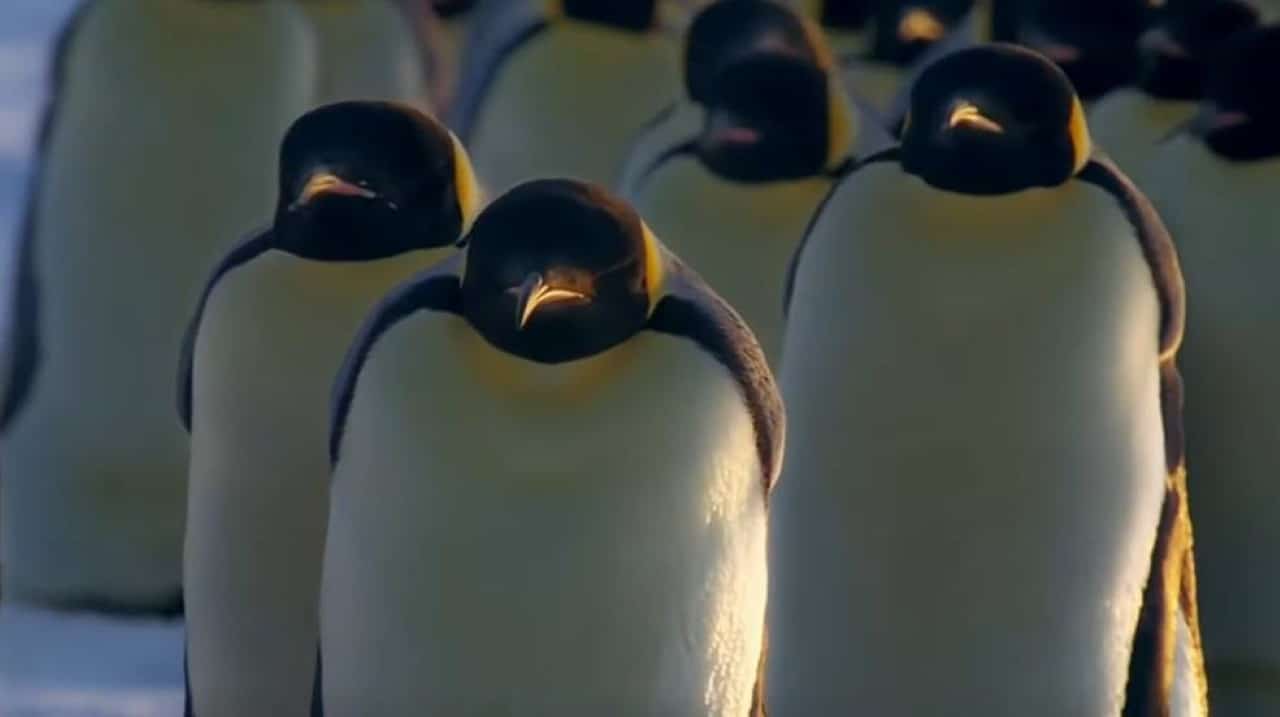
União Internacional to Conservação to Natureza updated Lista Vermelha and included the emperor penguin and southern elephant seal in the endangered species category. The decision was announced on April 8th based on data on the impact of ocean warming and the reduction of sea ice on Antártica. Especialistas highlight that these animals depend directly on the polar environment for reproduction and food, which makes climate change a decisive factor in the population decline observed in recent decades.
The emperor penguin has had its status changed from near-threatened to threatened. Satellite Registros indicates the loss of more than 20,000 adults between 2009 and 2018, equivalent to around 10% of the adult population. Quase half of the colonies have faced significant reproductive failures since 2016, a period marked by the accelerated melting of sea ice essential for raising young.
- The affected colonies are distributed across much of the Antarctic continent.
- Early melting of the ice compromises the platform where penguins raise their eggs and chicks.
- Projections indicate that the population could halve by the 2080s if warming continues at its current rate.
Ocean warming alters prey availability
The southern elephant seal also moved from Least Concern to Endangered. The species recorded a reduction of more than 50% in its population between 1999 and 2025, according to assessments by Lista Vermelha. The main reason is the decrease in krill, the main food for these mammals, which migrate to deeper, colder waters in response to the increase in sea temperatures close to the continent.
Researchers note that elephant seals need to swim longer distances to find enough food. Essa Behavioral changes increase energy expenditure and especially affect females and offspring during the breeding period. The combination of less ice and less available krill creates conditions that make it difficult to maintain populations at stable levels.
The updated data reinforces the connection between global warming and changes in polar ecosystems. Tanto Emperor penguins and elephant seals depend on specific ice and temperature conditions to survive. The gradual loss of this habitat directly affects the reproductive cycle and the local food chain.
Impact observed on penguin colonies
Nearly half of emperor penguin colonies have reported reproductive problems in recent years. Sea ice, which serves as a platform for incubating eggs, has been melting earlier than usual. Quando This happens, the puppies are exposed to water before they develop the necessary layer of fat, which increases mortality rates.
Studies based on satellite images made it possible to monitor the size of colonies over time. The 10% reduction in the number of adults between 2009 and 2018 represents a clear sign of pressure on the species. Especialistas track these trends to understand how annual variations in ice influence reproductive success.
Elephant seal population decline
The southern elephant seal faces a shortage of krill in traditional feeding areas. As surface waters warm, krill move to deeper layers, forcing mammals to undertake longer and more costly dives. Essa change affects the weight gain necessary for reproduction and survival during the winter.
Populations monitored at different points in Antártica show consistent decreasing trends. The accumulated loss since the end of the 1990s exceeds half of the individuals in some regions assessed. Fêmeas Adults, responsible for raising young, are particularly vulnerable to these changes in food availability.
Changes in sea ice since 2016
The accelerated melting of Antarctic sea ice gained pace from 2016. Essa floating platform is essential for several stages of the life cycle of both penguins and elephant seals. Quando It falls apart prematurely, the animals lose a safe place for reproduction and rest.
Records indicate that years with lower ice extent coincide with higher rates of reproductive failure in penguin colonies. Para elephant seals, the reduction of ice also changes migration routes and hunting areas. Essas Environmental transformations occur at a pace that makes the natural adaptation of species difficult.
Effects on the polar food chain
The decline in krill affects not only elephant seals, but the entire food web in the Antarctic region. Diversas species depend on this small crustacean as their main source of energy. Quando krill becomes less accessible in the surface layers, the impact spreads to larger predators.
Emperor penguins also consume krill and fish that depend on the same ecosystem. Overlapping pressures on prey and habitat amplify the challenges faced by both species. Monitoramentos continuous seek to quantify how these changes are reflected in the number of individuals over the years.
IUCN Red List Update
The inclusion of these two species in the threatened category reflects consolidated field and remote sensing data. Lista Vermelha serves as a global reference for assessing extinction risk based on standardized population, distribution and trend criteria. The April update incorporates projections on future warming scenarios.
Experts from União Internacional to Conservação from Natureza highlight that the current status requires greater attention to the conservation of polar habitats. Medidas monitoring and protection of critical areas can help mitigate part of the observed effects, although the climate factor remains the main challenge.
Status of other polar species
Seal species in Ártico, such as hooded seals, ringed seals, and harbor seals in Atlântico Norte, also show declines related to similar changes in sea ice. Embora are not the main focus of the recent update, these cases reinforce the pattern of warming impacts in polar regions of both hemispheres.
Comparing Antarctic and Arctic data allows us to better understand the common mechanisms that threaten cold-adapted mammals and seabirds. Reducing ice affects breeding platforms, prey availability and migratory routes on a global scale.
The emperor penguin and southern elephant seal represent clear examples of how large-scale environmental changes influence wild populations. The update to Lista Vermelha provides up-to-date information on the conservation status of these species and supports discussions on protection actions at an international level.





