
Honda Accord premium sedan debuts on the national market with native Google system and priced at R$332,400

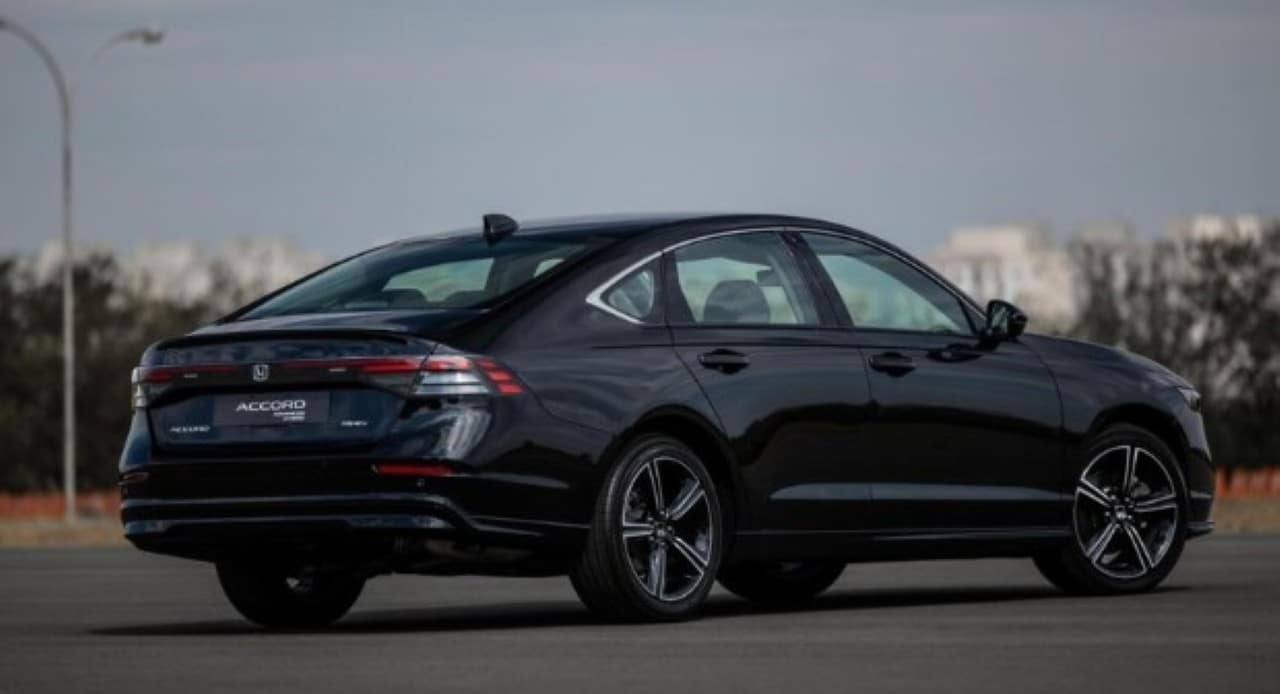
The Japanese automaker officially announces the arrival of the new generation of its executive sedan to the Brazilian automotive market. The top-of-the-line model arrives at dealerships with a focus on combining electrified propulsion and native connectivity features. Comercializado for a suggested value of R$332,400, the vehicle seeks to attract consumers who value autonomy on urban and highway journeys, without the need for external charging infrastructure.
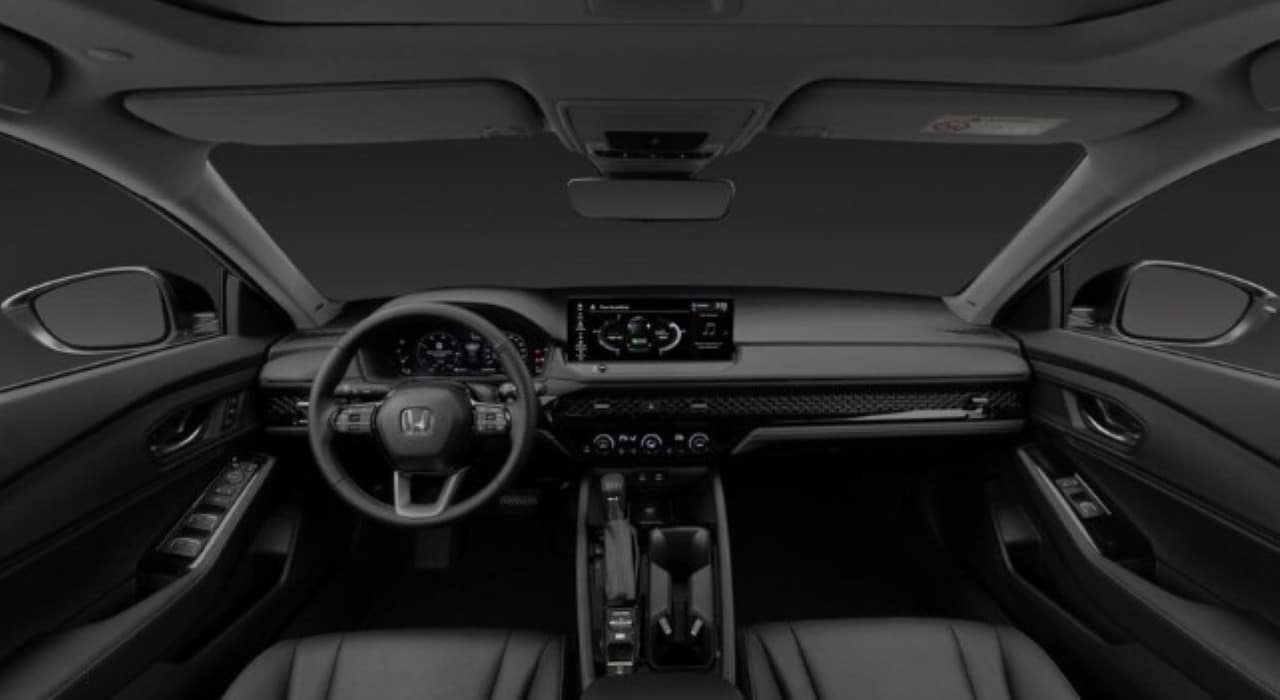
The main technological update lies in the incorporation of an intelligent digital ecosystem directly into the car’s dashboard. Essa strategy aims to simplify the driver’s interaction with the vehicle’s functions during daily commutes, raising the standard of on-board convenience.
The mechanical set maintains the commitment to a smooth energy transition, using the brand’s proprietary technology that automatically switches energy sources to optimize fuel consumption.
- Direct integration with navigation and entertainment applications on the dashboard.
- Dual motorization with priority for the use of electricity at low speeds.
- Comprehensive package of sensors and radars for traffic accident mitigation.
Mechanical engineering and efficiency of the e:HEV assembly
The vehicle’s propulsion system is made up of a complex arrangement that combines a 2.0-liter naturally aspirated combustion engine with two high-capacity electric motors. The thermal thruster develops 146 horsepower, while the main electric unit delivers 184 horsepower. The combined power reaches 204 horsepower, providing linear acceleration and immediate responses to the accelerator pedal. The technology eliminates the need for cables to recharge the lithium-ion battery, as the combustion engine itself acts as an energy generator, combined with the regenerative braking system that captures the kinetic energy dissipated during constant traffic slowdowns.
Standardized energy efficiency tests indicate an average consumption of 16.5 km/l on mixed routes, highlighting the economy-oriented calibration. In a strictly urban environment, where traffic requires constant stops and slow exits, efficiency reaches 17.8 km/l. Essa mechanical feature allows a total autonomy that exceeds 600 kilometers with a full tank of fuel, reducing the frequency of visits to gas stations and reducing pollutant emissions by up to 40% when compared to traditional sedans of similar size.
Driving dynamics and operating modes
The sedan’s electronic management automatically determines the most appropriate energy flow for each traffic situation. The EV Drive mode exclusively activates the electric motor, ideal for maneuvering in garages and traveling at low speeds in cities.
When the demand for power increases, the system transitions to the Hybrid Drive. Nesta configuration, the combustion engine functions strictly as a generator to power the batteries, while traction continues to be exerted by the front wheels via electrical energy.
The third stage, called Engine Drive, connects the combustion engine directly to the drive wheels via a direct coupling clutch. Este mode is activated only at high cruising speeds, generally on highways.
The set allows the vehicle to reach the mark from zero to 100 km/h in approximately 7.5 seconds. The adaptive suspension and low center of gravity guarantee directional stability in high-speed corners.
Technological integration and advanced multimedia system
The sedan’s cabin now has the Google Assistente integrated from the factory, eliminating exclusive dependence on smartphone mirroring. The driver can use natural voice commands to plot routes on Google Maps, download compatible applications on Play Store and adjust the temperature of the digital air conditioning.
The instrument panel consists of a 10.2-inch configurable TFT screen, which displays information about power flow and trip data. In the center of the panel, the floating multimedia center is 12.3 inches and maintains compatibility with Apple CarPlay and Android Auto without the need for cables.
The internal charging infrastructure includes an induction base in the center console and four USB-C ports distributed between the front and rear occupants. The myHonda Connect app complements the package, offering remote telemetry and vehicle location.
Exterior architecture and design elements
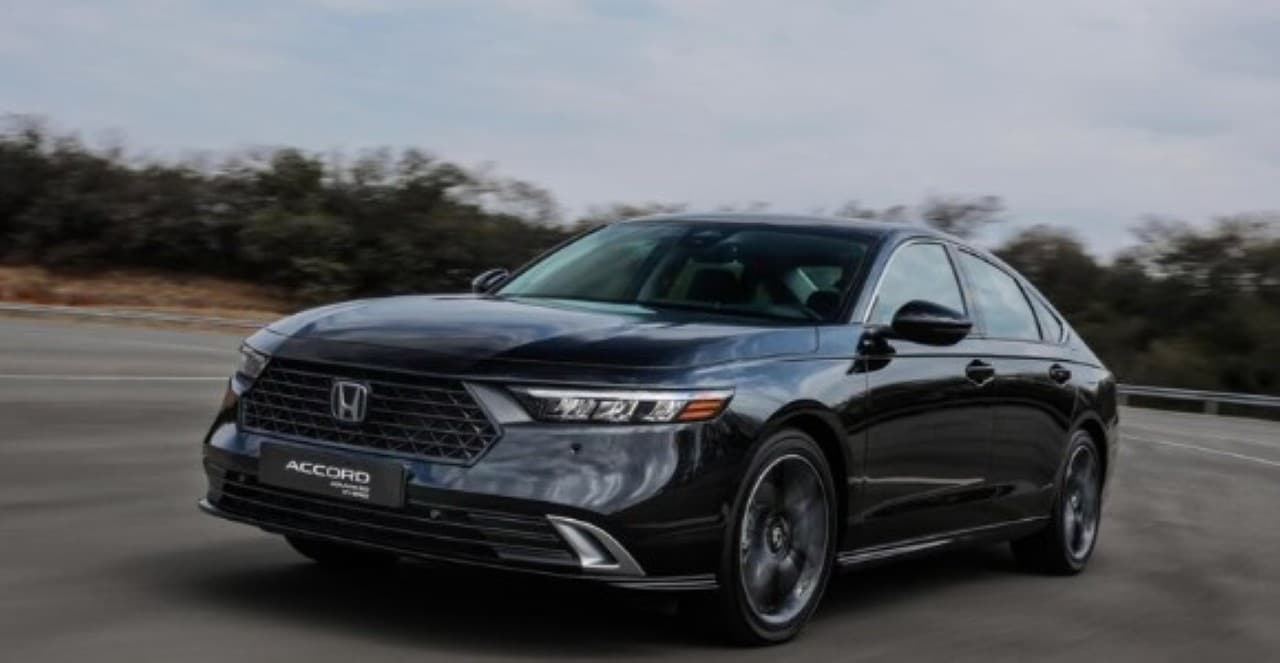
The body design adopts classic executive sedan proportions, characterized by an elongated hood and a roof line that gently slopes towards the rear. The front features a darkened hexagonal grille, flanked by tapered headlights with high-intensity LED lighting technology.
18-inch alloy wheels fill the wheel arches, giving the vehicle a seated stance. At the rear, the taillights are connected by a horizontal light bar, an aesthetic feature that emphasizes the car’s width at night.
Interior comfort and cabin dimensions
The interior space is greatly benefited by the wheelbase of 1,030 millimeters, ensuring adequate accommodation for the legs of passengers traveling in the rear seat, while the trunk offers a volumetric capacity of 573 liters for the transport of luggage. The front seats feature high-quality leather upholstery, electrical adjustments with memory for the driver, as well as integrated ventilation and heating systems. The cabin’s acoustic insulation was reinforced with sound-absorbing materials and laminated glass, creating a silent environment that favors the sound experience managed by the brand’s premium audio system Bose, consisting of 12 strategically positioned speakers and Centerpoint technology for signal processing.
Safety and driver assistance package
The sedan is equipped with the Honda Sensing active security package, which uses a combination of cameras and radar to monitor the vehicle’s perimeter. The front camera has a 90-degree viewing angle, working in conjunction with a millimeter-wave radar with 120-degree scanning.
The autonomous emergency braking system is capable of detecting vehicles, cyclists and pedestrians, operating at speeds of up to 100 km/h. Adaptive cruise control maintains the programmed distance to traffic ahead.
Lane Keeping Assist works on the steering wheel to correct the trajectory in smooth curves. Blind spot monitoring issues visual and audible alerts when it detects the presence of vehicles in adjacent lanes.
The list of assistants also includes automatic recognition of road signs and automatic switching of high beams, avoiding dazzling drivers traveling in the opposite direction.
Market positioning
The commercial strategy positions the executive sedan as a direct alternative to the luxury sports utility vehicles that dominate the same price range. The automaker is betting on superior driving dynamics and a lower center of gravity.
The energy efficiency of the hybrid set serves as the main selling point to attract a more traditional consumer profile. Deliveries of the first units are scheduled for October at selected dealerships.
Warranty and customer support
Factory coverage stipulates three years of warranty for the vehicle as a whole, with no limit on mileage traveled. Para the hybrid propulsion set, which encompasses the electric motors and the high-voltage battery pack, protection is extended to eight years or 160,000 kilometers, ensuring the durability of the electrified components.





