
Motorola launches Moto G Stylus with active pen and expands portfolio with new Moto Pad tablet in the USA

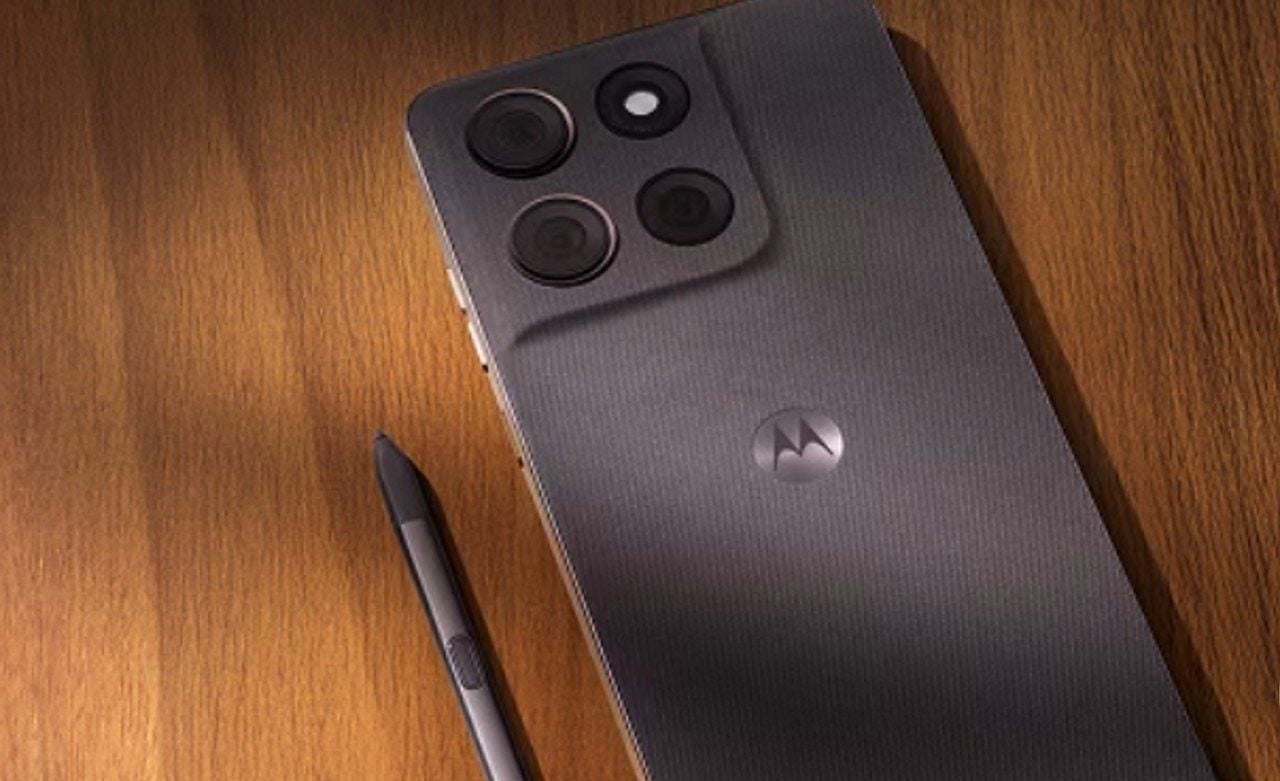
Electronics manufacturer Motorola has officially announced the arrival of two new mobile devices for the North American market with a focus on productivity and cost-benefit. The company revealed the technical details of the smartphone Moto G Stylus and the tablet Moto Pad, both equipped with the operating system Android 16 from the factory. The devices seek to attract consumers who need work and entertainment tools without the cost of premium category equipment.
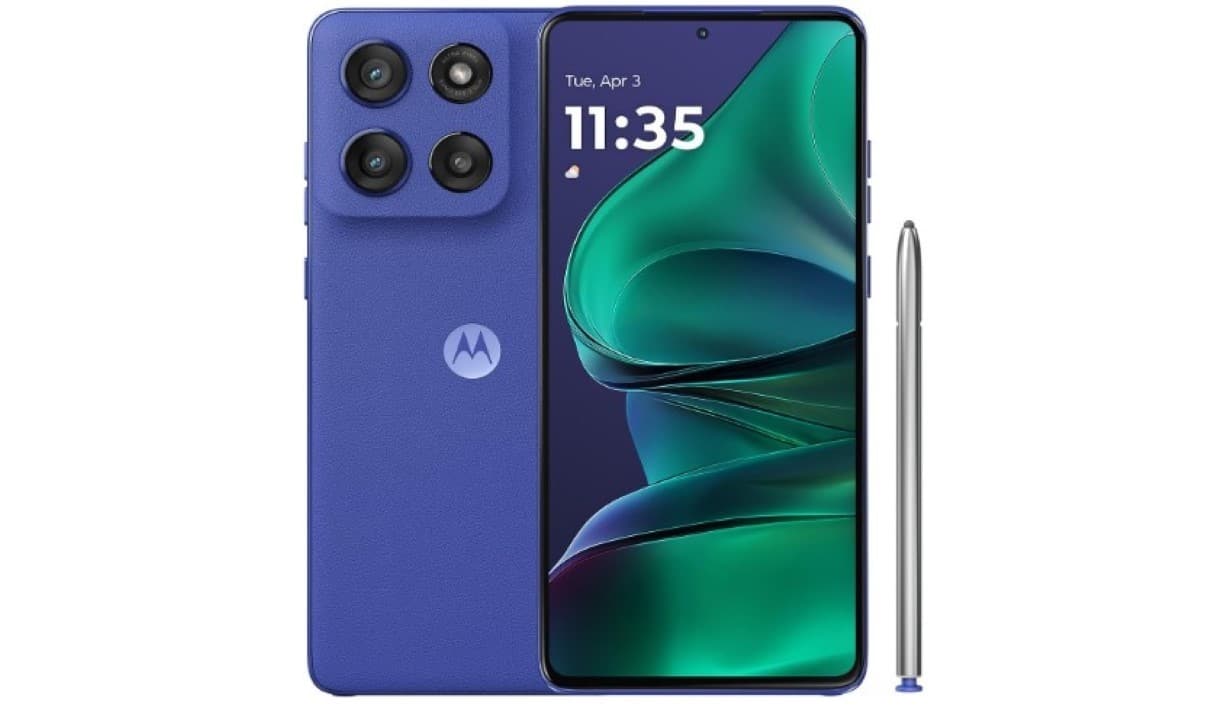
The main highlight of the announcement is the evolution of the line of cell phones that support writing on the screen, which now incorporates a smart pen with advanced sensitivity features. The accessory integrated into the body of the mobile phone allows greater precision in drawing applications and daily notes. The brand’s strategy aims to consolidate its presence in a specific niche of creative and professional users.
Simultaneously, the introduction of the new large-screen device marks the manufacturer’s competitive return to the tablet segment in the Estados Unidos. The device offers fifth-generation network connectivity and balanced specifications for media consumption and internet browsing. Official sales of both products begin in the coming weeks at selected retail chains and e-commerce platforms.
Commercial strategy and launch values
The sales schedule established by the manufacturer sets the sixteenth of April for the arrival of the mobile phone on the shelves, with a suggested price of four hundred and ninety-nine dollars. Initial sales will take place through the brand’s official website and in large retail chains in the North American market, such as Amazon and Best Buy. Para To boost initial adoption of the device, the company has prepared promotional packages that include free digital trackers for the version with one hundred and twenty-eight gigabytes of storage. Consumers who opt for the two hundred and fifty-six gigabyte variant will receive an even more robust set, consisting of wireless headphones, a smart watch and a tracker.
The large-screen device has a slightly later release schedule, with availability scheduled for April 30th and priced at two hundred and forty-nine dollars. The initial distribution of this equipment will be carried out in partnership with local telecommunications operators, focusing on data plans linked to the hardware. The aggressive pricing policy demonstrates the company’s intention to capture a significant share of the public looking for economical alternatives to remote work and distance learning. The joint offer of accessories and fast connectivity reinforces the brand’s positioning in the competitive intermediate electronics sector.
Evolution of the writing tool and physical structure
The main technological innovation of the new phone lies in the implementation of an active pen, which replaces the passive model of previous generations. The accessory now has the ability to recognize different pressure levels and inclination angles when used in compatible software. Esta technical change brings the user experience closer to that found in high-cost devices aimed at designers and illustrators.
The autonomy of the writing tool reaches up to one hundred hours of continuous use, requiring just fifteen minutes in the cell phone’s internal compartment to recover its full charge. The peripheral also incorporates a physical button on the side that works as a quick shortcut to activate the camera or open specific annotation applications. Hardware and software integration has been optimized to reduce latency during on-screen strokes.
The body of the mobile device is made of high-resistance plastic material, covered with a texture that simulates leather in black and lilac color options. The structure has military certifications for durability and maximum protection against the entry of dust and high temperature water jets. The design maintains the visual identity of the product family, prioritizing ergonomics and grip during daily handling.
Display quality and sound system
The front panel of the cell phone uses OLED technology measuring six point seven inches and high definition resolution. The refresh rate of one hundred and twenty hertz guarantees fluidity in system animations and when scrolling through web pages. The maximum brightness of the display reaches five thousand nits, which represents a significant leap compared to the previous generation and allows excellent readability even in direct sunlight.
Protection against scratches and accidental impacts is guaranteed by applying reinforced glass Gorilla Glass 3 to the display. The media consumption experience is complemented by a stereo audio system supporting spatial sound technology. Speaker calibration provides vocal clarity on calls and acoustic immersion when playing movies and music.
Phone processing and energy capacity
The device’s performance is managed by the processor Snapdragon 6 Gen 3, a component designed to balance speed and energy efficiency. The chip works in conjunction with eight gigabytes of high-speed random access memory, ensuring the execution of multiple applications simultaneously. Internal storage uses fast data reading and writing standards.
The hardware configuration chosen by the manufacturer perfectly meets the demands of everyday use, browsing social networks and editing documents. The integrated graphics processor also supports the execution of electronic games with moderate visual quality without experiencing severe crashes. Operating system optimization contributes to the overall stability of the equipment.
The battery module received an increase in its total capacity, now offering five thousand and two hundred milliampere-hours. Este Energy volume is enough to keep the device running for more than a full day of intense use, reducing dependence on sockets. Intelligent processor power management helps preserve charge during periods of inactivity.
The power replenishment system supports fast cable charging with a power of sixty-eight watts, allowing you to recover a large part of the battery in a few minutes. The device also offers the convenience of wireless charging with a power of fifteen watts. The versatility in charging options suits users who have charging bases on office desks or in vehicles.
Image capture and photographic versatility
The rear camera system is led by a fifty-megapixel main sensor designed to capture sharp images in a variety of lighting conditions. The thirteen-megapixel secondary lens offers an expanded field of view for photographs of landscapes and groups of people. The front camera, positioned in a small cutout on the screen, has thirty-two megapixels and improved algorithms for high-quality video calls.
Return to the big screen market
The brand’s new larger-format equipment represents an adaptation of a model previously sold in other regions of the world, now adjusted to the demands of the North American consumer. The external structure of the device is forged in resistant metal, featuring a green finish that gives the product an elegant and professional appearance. The construction is certified resistant to splashing water and dust accumulation, increasing the device’s useful life in busy domestic environments. The processing engine chosen for this model is the MediaTek Dimensity 6300, which works in harmony with eight gigabytes of temporary memory to ensure fluid navigation between browser tabs and productivity applications. The native file storage space is one hundred and twenty-eight gigabytes, with the advantage of allowing expansion through the use of external memory cards. Esta technical architecture was specifically designed to support study routines, consumption of video-on-demand platforms and the execution of casual games without compromising the temperature or stability of the operating system. The user interface has been adapted to take advantage of the extra screen space, making it easier to split windows and use office tools.
Visual panel and equipment autonomy
The tablet’s display surface uses liquid crystal technology with eleven inches of diagonal extension and a resolution higher than the high definition standard. The ninety hertz refresh rate provides smooth image transitions, while the panel size makes it easy to read large documents and view spreadsheets. The screen aspect ratio was designed to maximize the usable area when playing audiovisual content.
The internal power supply has seven thousand and forty milliampere-hours of capacity, designed to deliver up to twelve hours of uninterrupted video playback via the internet. The recharging process is carried out using a twenty-watt adapter provided in the box. The integrated sound system has four independent audio outputs, creating an immersive sound environment that does not require the immediate use of external headphones.
Network capabilities and optical sensors
Big screen device image capture tools are focused on basic functionality and visual communication. The eight-megapixel rear sensor allows for quick scanning of documents and everyday records, while the five-megapixel front lens is aimed at participating in work video conferences or virtual classes. The camera software includes automatic lighting adjustments to improve the clarity of the user’s face during broadcasts.
Connectivity is one of the device’s strong points, which offers native support for fifth generation mobile networks, guaranteeing high download speeds outside of fixed internet environments. The device also features upgraded wireless connections for peripheral pairing and fast local browsing. Maintaining the traditional input for wired headphones meets a constant demand from consumers who prefer not to depend on battery-powered accessories.





