
NASA delays launch of Northrop Grumman CRS-24 mission to April 11 due to weather

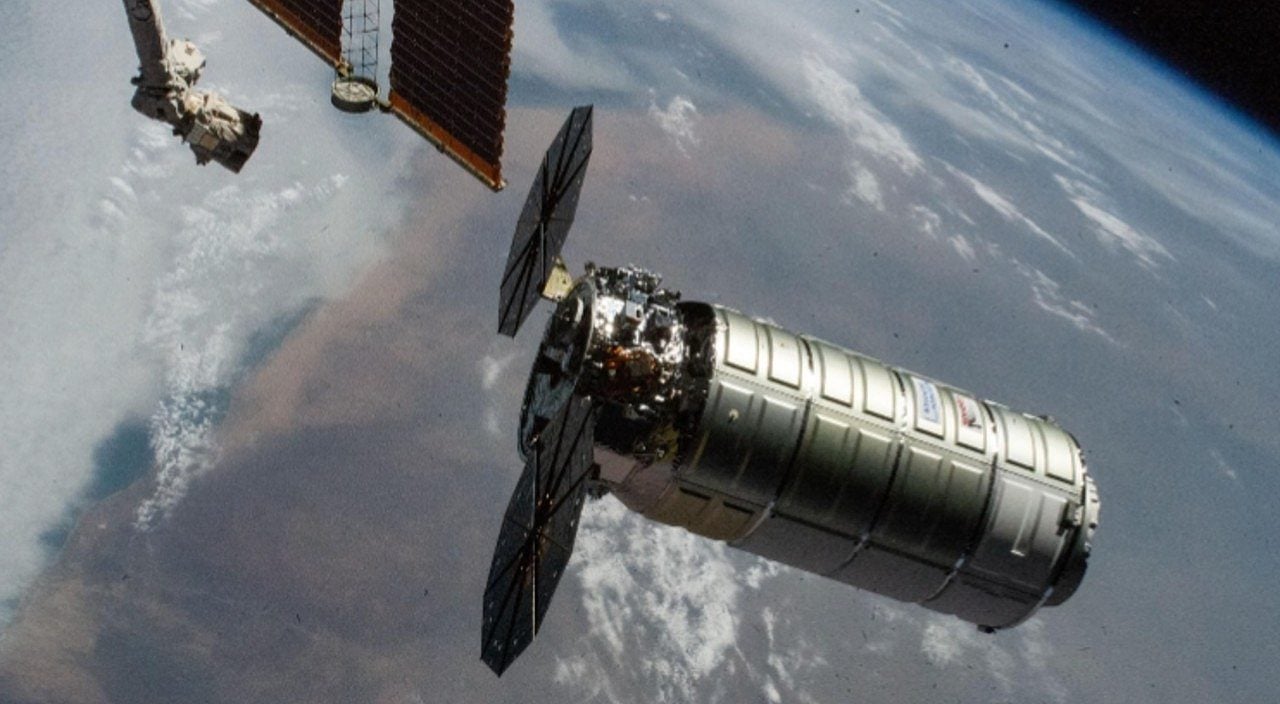
NASA, Northrop Grumman and SpaceX have adjusted the schedule for the CRS-24 commercial resupply mission. Launch of spacecraft Cygnus Takeoff will take place from Complexo of Lançamento 40 of Estação of Força Espacial of Cabo Canaveral, at Flórida, aboard a rocket Space0 9. Space1 on the ground decided to postpone the initial opportunity of Friday, April 10, due to the forecast of adverse weather conditions at the location.
Cygnus XL, an expanded version of Northrop Grumman’s cargo spacecraft, carries more than 11,000 pounds of supplies and new science experiments. The material is intended for the Expedição 74 crew aboard Estação Espacial Internacional. Essa will be the second use of the XL configuration, which offers greater payload capacity and pressurized volume compared to previous versions. Após takeoff, the astronauts will use the Canadarm2 robotic arm to capture the spacecraft, with the capture time still under review.
- The spacecraft will be installed in the port facing Terra of module Unity.
- The operation allows the orderly transfer of loads.
- The next launch window is set for 7:18 a.m. on April 12, if necessary.
Preparations at the space station for cargo arrival
The crew of Expedição 74 maintains an intense schedule of scientific and maintenance activities while awaiting the new resupply mission. The astronauts underwent hearing tests, eye checks and an emergency drill as part of their daily routine. Esses procedures ensure continuous monitoring of team member health in a microgravity environment.
Five flight engineers underwent regular medical examinations. The hearing tests involved astronauts from NASA Jack Hathaway, ESA Sophie Adenot and the cosmonaut from Roscosmos Andrey Fedyaev. Eles used the quiet environment of Quest Airlock, with headphones and specialized software to respond to tones and check ear pressure.
ESA astronaut Sophie Adenot performed eye checks alongside NASA flight engineer Jessica Meir in laboratory module Columbus. Meir applied anesthetic fluid, measured internal eye pressure with a handheld device, and recorded the data. Doctors track these parameters to better understand the effects of weightlessness on vision and pressure around the eyes.
Preparation activities and ongoing experiments
Jessica Meir and Jack Hathaway worked together inside the NanoRacks airlock Bishop, attached to module Tranquility. Eles removed stored hardware to prepare for the exchange of experiment equipment installed on the outer platform exposed to the space vacuum. The pair also positioned the ArgUS multi-payload transporter for future scientific activities.
Meir also participated in a study on relaxation that seeks to promote calm, stress reduction and better sleep quality on board the spacecraft. Hathaway measured airflow at a temporary sleep station located in module Columbus to ensure crew comfort and safety. Essas tasks contribute to optimizing living conditions during long-duration missions.
NASA Flight Engineer Chris Williams located and organized lost and found items on the station. Ele saved useful materials, discarded obsolete ones, and updated the orbital laboratory’s inventory system. Williams collected water samples from the farm’s drinking dispenser for analysis, technology that advances sanitation methods and reduces microbial growth.
Work in the Russian segment and collective training
Station commander Sergey Kud-Sverchkov and flight engineer Sergei Mikaev, both cosmonauts from Roscosmos, began the shift testing communications between the station and the resupply ship Progress 93. Eles divided the tasks, with Kud-Sverchkov evaluating artificial intelligence tools for crew operations and Mikaev checking a scientific information processing unit.
Andrey Fedyaev focused efforts on maintaining life support systems and electronics in the Russian segment of the station. Ele cleaned surfaces inside science module Nauka to inhibit mold growth and protect staff health. Essas Preventive actions maintain internal environments in suitable conditions for continuous operations.
At the end of the shift, the seven crew members gathered to conduct a simulated emergency drill. Eles coordinated roles, responsibilities and communication procedures with mission controllers in different parts of the world. The exercise reinforces readiness for unforeseen scenarios in the orbital environment.
Coverage and live broadcast of the launch
Coverage of the launch and arrival of Cygnus XL will be available on official platforms. Those interested can follow the event live on NASA+, Amazon Prime and the agency’s official YouTube channel. Informações Additional information about how to watch NASA content appears on multiple platforms, including social media.
The CRS-24 mission represents yet another delivery of supplies and experiments that support ongoing research in microgravity. The Cygnus XL, with its increased capacity, allows it to transport larger volumes of pressurized cargo to sustain station operations and advance scientific studies.
Crew daily routine and focus on health
Orbital residents dedicate a significant portion of their time to medical check-ups and activities that preserve physical well-being. Tests carried out recently highlight the importance of monitoring hearing and vision, areas sensitive to the prolonged effects of microgravity. Esses data contributes to the development of effective countermeasures in future space exploration missions.
Systems maintenance and updating inventories ensure that all resources remain organized and available. Atividades how collecting water samples and preparing external hardware sets the stage for new experiments coming with Cygnus XL. The crew balances these tasks with studies that investigate the impact of life in space on the human body.
Collective emergency training involves all astronauts and cosmonauts, promoting integration between different partner agencies. Procedimentos Standardized communication and response are essential for collective security in an environment where ground support is hundreds of kilometers away.





