
Nostalgia drives search for classic Legend of Zelda: see how to play old titles today

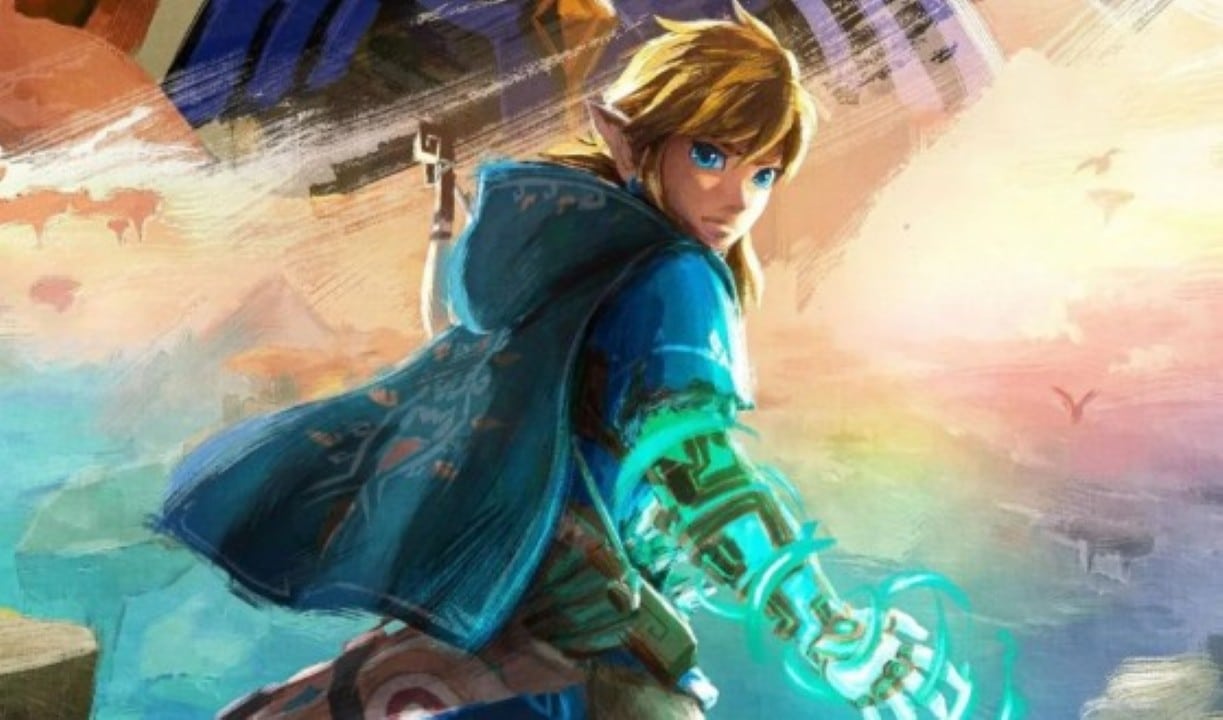
A growing wave of enthusiasm has led fans and new players to rediscover classic titles from the acclaimed “The Legend of Zelda” franchise. Esse movement reflects a collective desire to delve into the origins of Hyrule, exploring worlds that have defined generations of adventure and role-playing games. The search for these timeless experiences is driven not only by nostalgia, but also by recognition of the quality and innovation these games have brought to the industry.
The appeal of the old “Zelda” games is multifaceted, ranging from the complexity of their puzzles and the depth of their narratives to the enchanting simplicity of their pixelated or polygonal graphics. Muitos see these titles as a pure form of game design, where exploration, discovery and problem solving are at the heart of the experience. The fan community has mobilized to ensure that these gems remain accessible, whether through official platforms or other avenues that allow you to relive these epic adventures.
The Enduring Appeal of Hyrule Classics
The classic games in the “The Legend of Zelda” series have an undeniable charm that transcends the barriers of time and technology. Títulos like “A Link to the Past” and “Ocarina of Time” are not just historical landmarks; they continue to deliver rich, immersive gaming experiences filled with creativity and challenge that still captivate players today. The genius in the conception of its worlds, the depth of its characters and the ingenuity of its puzzles have contributed to solidifying its place in the video game pantheon.
Gameplay is one of the pillars of this lasting appeal. Cada “Zelda” classic features a carefully balanced formula of exploration across vast maps, strategic combat against varied enemies, and the solving of environmental and dungeon puzzles that require reasoning and observation. Além Furthermore, the player’s progression, which takes place through the acquisition of new items and skills, is a central element that maintains the feeling of constant discovery and empowerment.
How to access the adventure: platforms and possibilities
Legend0 those who long to delve back into the lands of Hyrule or experience for the first time the games that defined the childhood of many, there are several viable options to access the classics of “The Legend of Zelda” in today’s scenario. Nintendo, recognizing the value of its legacy, has made many of these titles available on its latest platforms, ensuring that new generations can enjoy these masterpieces. The main official avenue for playing many of the older games is the Nintendo Switch Online service, especially with the Pacote Adicional. Este service offers access to a growing library of games from classic consoles, including titles from the NES, Super NES, Nintendo 64 and Game Boy Advance, which are home to some of the most beloved “Zeldas”. For enthusiasts seeking maximum authenticity, there is still the possibility of rescuing old consoles and original cartridges, which provides a nostalgic and collectible experience, although it requires a greater investment and maintenance of older hardware. Legend1 Additionally, the fan community keeps interest alive through emulators and ROMs, which allow you to play these titles on computers and other devices, although this practice does not always comply with companies’ copyright policies.
Iconic titles to rediscover
“The Legend of Zelda” franchise is a treasure trove of memorable games, and some stand out as true icons that continue to inspire and delight. Para Anyone looking for a gateway to the classic legacy, or simply wanting to revisit great moments, the list is vast and full of masterpieces:
* The Legend of Zelda: A Link to the Past (Super NES):Reverenciado for its immersive narrative, its interconnected world between two realms (Light and Escuridão) and its refined gameplay that set many standards for the series.
* The Legend of Zelda: Ocarina of Time (Nintendo 64):Frequentemente cited as one of the greatest games of all time, it revolutionized 3D gaming with its Z-targeting system, its unforgettable soundtrack and an epic time travel story.
* The Legend of Zelda: Majora’s Mask (Nintendo 64):A game unique for its dark atmosphere, three-day time mechanic, and the emphasis on side quests and character interactions to prevent the apocalypse.
* The Legend of Zelda: The Wind Waker (GameCube):Embora Visually distinctive with its cel-shaded style, it is loved for its sea exploration, charismatic characters, and thrilling adventure across a vast ocean.
The evolution of the franchise and respect for the past
The evolution of the franchise “The Legend of Zelda” is a testament to Nintendo’s ability to innovate while remaining true to its essence. Enquanto More recent titles such as “Breath of the Wild” and “Tears of the Kingdom” have redefined the concept of open world and player freedom, the soul of the classics still beats in each new iteration. Exploration, puzzle solving and a sense of adventure remain core elements, adapted and expanded for current technologies.
Nintendo has shown a deep respect for the legacy of “Zelda”, not only by making the older games available, but also by incorporating references and homages into its more recent releases. Essa approach ensures that the series’ rich history is valued, while allowing the franchise to continue to grow and surprise. The coexistence between innovation and tradition is one of the factors that keeps “Zelda” relevant and loved by different generations of players.
Community and passion for Hyrule
The passion for “The Legend of Zelda” is not limited to the games themselves, but extends to a vibrant and engaged community that keeps the flame of Hyrule alive. Fóruns online, social media groups and streaming channels are spaces where fans of all ages share their experiences, theories and creations inspired by the franchise. Essa Constant interaction strengthens bonds between players and ensures classics remain relevant in pop culture.
This active community is responsible for holding discussions about the most intricate aspects of games, from in-depth analyzes of lore and chronology to speedrunning challenges that test the limits of gameplay. Furthermore, the creation of fan art, music and even independent games inspired by “Zelda” demonstrates the series’ lasting cultural impact. The collective celebration of these games transforms the individual experience into a shared phenomenon, enriching the “Zelda” universe in ways that go beyond the titles themselves.
The legacy of creativity and innovation
“The Legend of Zelda” classics are not just games; are pillars of video game history, whose legacy of creativity and innovation continues to resonate throughout the industry. Eles pioneered many aspects of game design that we now consider standard, from introducing non-linear open worlds to implementing item-based progression systems that encourage exploration and experimentation. The way these titles combined narrative, gameplay mechanics, and level design set a standard of excellence.
The influence of “Zelda” can be seen in countless adventure and role-playing games that followed, as developers sought to emulate the sense of discovery, the depth of puzzles, and the immersion in fantastical worlds. The series is also recognized for its iconic soundtracks, which have become synonymous with musical excellence in video games, evoking emotions and strengthening the atmosphere of each adventure. The artistic direction, even with the technological limitations of the time, always managed to convey a sense of magic and grandeur, inspiring artists and designers.
“The Legend of Zelda”‘s ability to reinvent itself with each title, while preserving its core values, is one of the reasons for its longevity and universal acclaim. The classics, in particular, represent the solid foundation on which the entire franchise was built, offering valuable lessons in game design and the art of interactive storytelling. Eles are proof that true quality and innovation transcend generations while remaining timeless in their appeal.





