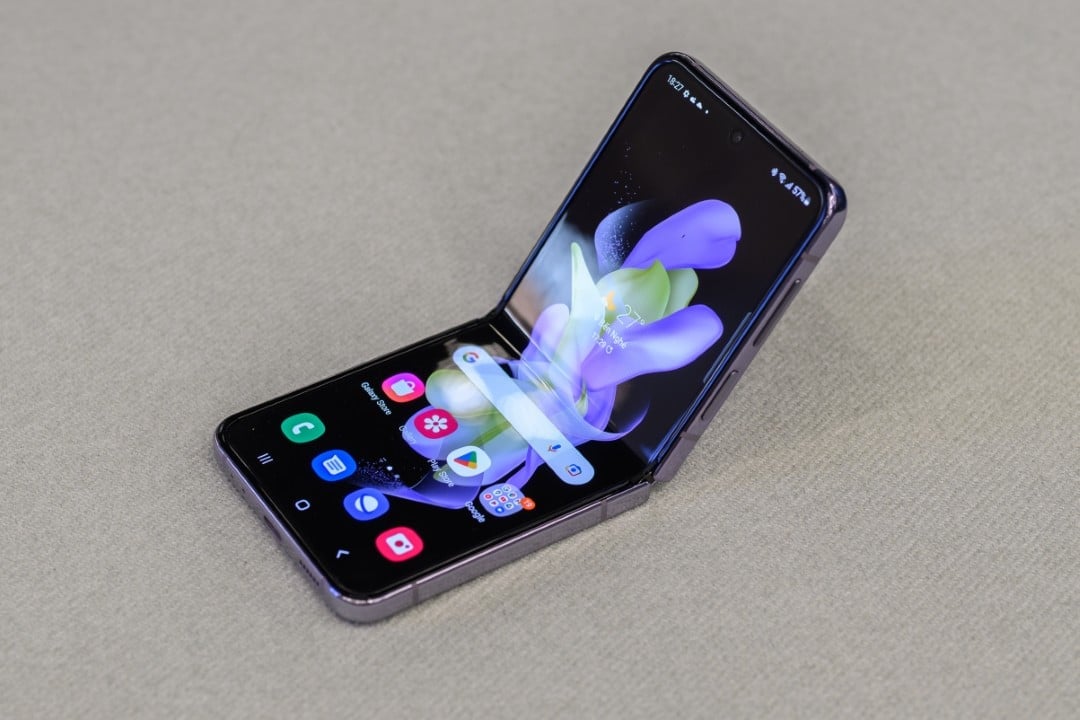
The South Korean manufacturer is preparing a significant overhaul of its line of mobile devices with flexible screens. Informações recent extracts from firmware codes point to the development of an unprecedented device, identified internally by the code SM-F971B. Este model represents a break in the aesthetic standard maintained by the company in recent years.
The new device abandons the traditionally narrower and squarer format to adopt a 4:3 screen ratio. Essa change aims to optimize the viewing of multimedia content and improve ergonomics during prolonged use. The structural modification brings the user experience closer to that found in compact tablets.

The discovery occurred during the analysis of graphic materials present in the brand’s future operating system interface. The images confirm that the internal display will provide a considerably wider usable viewing area than previous generations. The strategic move occurs at a time of intense movement in the mobile technology sector.
Change in the display format of foldables
The transition to the 4:3 aspect ratio solves one of the main complaints of users of smartphones with a flexible screen. The previous format generated large black bars when playing 16:9 videos, limiting the real use of the panel. With the new rectangular design, the area dedicated to streaming and photography gains a substantial gain in usable space.
The internal panel should measure 7.6 inches, but readjusting the physical measurements will make the device appear wider and more comfortable for reading documents. The company is working on deep interface tweaks to ensure that native and third-party apps automatically adapt to the new width. The objective is to maintain fluidity in the transition between the external screen and the main one.
Processing architecture and power management
The hardware of the new device will be led by the Snapdragon 8 Elite Gen 5 processor, guaranteeing very high performance for multitasking. Este component was specifically designed to handle the thermal demands of thin devices, keeping the temperature controlled even while running heavy games. The energy efficiency of the chip is a determining factor in the autonomy of the equipment.
To support the set of specifications, the manufacturer opted for a dual-cell battery system. The estimated typical capacity reaches 4,800 mAh, physically divided into two distinct units of 2,267 mAh and 2,393 mAh. Essa Strategic division helps balance chassis weight and facilitates heat dissipation during fast charging.
Artificial intelligence algorithms will act directly on the system’s energy management. The technology prioritizes the longevity of internal components, adjusting the recharge speed according to the owner’s daily use patterns. The promise is of greater autonomy than the average recorded in direct competing models.
Software integration and data security
The One UI 9 interface will serve as the operational base of the new smartphone, bringing exclusive productivity tools. The software has been redesigned to take advantage of every inch of the new rectangular screen, allowing the simultaneous opening of multiple floating windows without compromising visibility. Desktop mode has also received improvements to work more intuitively.
In the field of security, the operating system will integrate additional layers of proactive protection. The brand’s native security platform will utilize machine learning to identify and neutralize cyber threats in real time. Continuous monitoring ensures the integrity of sensitive data stored in the device’s memory.
Personalization of the virtual desktop will be one of the biggest attractions of the updated software. Users will be able to define specific usage profiles for work and leisure times, automatically changing the arrangement of icons and active notifications. The transition between modes occurs instantly.
Connectivity with the brand’s ecosystem has also been improved in this version of the system. The device will function as a central hub, allowing quick transfer of files to portable computers and tablets from the same manufacturer with just a tap on the screen. The integration aims to attract the corporate public that needs agility.
Chassis engineering and material durability
Adopting a wider design required a complete re-engineering of the central folding mechanism. Engineers developed a new hinge that drastically reduces the perception of creases on the internal screen, using highly resistant and light materials, such as reinforced aluminum. Essa structure ensures that the device supports thousands of daily opening and closing cycles without showing play or premature wear on the internal gears. Water and dust sealing has also been improved to protect sensitive components.
In addition to mechanical resistance, the protection of the flexible display received new layers of advanced polymers. The screen surface offers greater resistance to scratches and accidental impacts, bringing the durability of the folding panel closer to that of traditional tempered glass. The external finish of the chassis features textures that improve grip in the hands, preventing accidental falls when handling the open equipment. The set of physical innovations consolidates the maturity of flexible screen technology after years of research.
Positioning in the premium device market
The introduction of this 4:3 aspect ratio model represents an aggressive move to maintain global leadership in the luxury segment. The South Korean manufacturer anticipates the competition’s movements, especially given the rumors about the entry of North American rivals in this specific market niche. The device will be positioned in a higher price range, aimed at consumers who demand maximum technological innovation and status. The marketing strategy should focus heavily on the versatility of the wide format, highlighting how the device can replace a conventional tablet on business trips or while consuming immersive entertainment. Analistas indicate that the acceptance of this new ergonomics will dictate the direction of industrial design for the next generations of mobile telephony around the world.
Leaked technical specifications of the device
The device’s memory pool will match the high level of the main processor. Vazamentos indicate options with up to 16 GB of RAM, eliminating any possibility of slowness when switching between heavy applications. Internal storage will use the ultra-high-speed UFS 4.1 standard.
The image capture system will inherit the advanced sensors from the brand’s main line. The camera interface will take advantage of the large screen to offer detail-rich previews and ergonomically arranged manual controls. Photo and video editing can be carried out with professional precision directly on the device.
Daily use autonomy
The combination of a robust battery with a highly efficient processor guarantees enough power for intense workdays. Testes Preliminary labs suggest the device can handle a full day of continuous use with the main screen turned on. Smart charging preserves the long-term health of power cells.