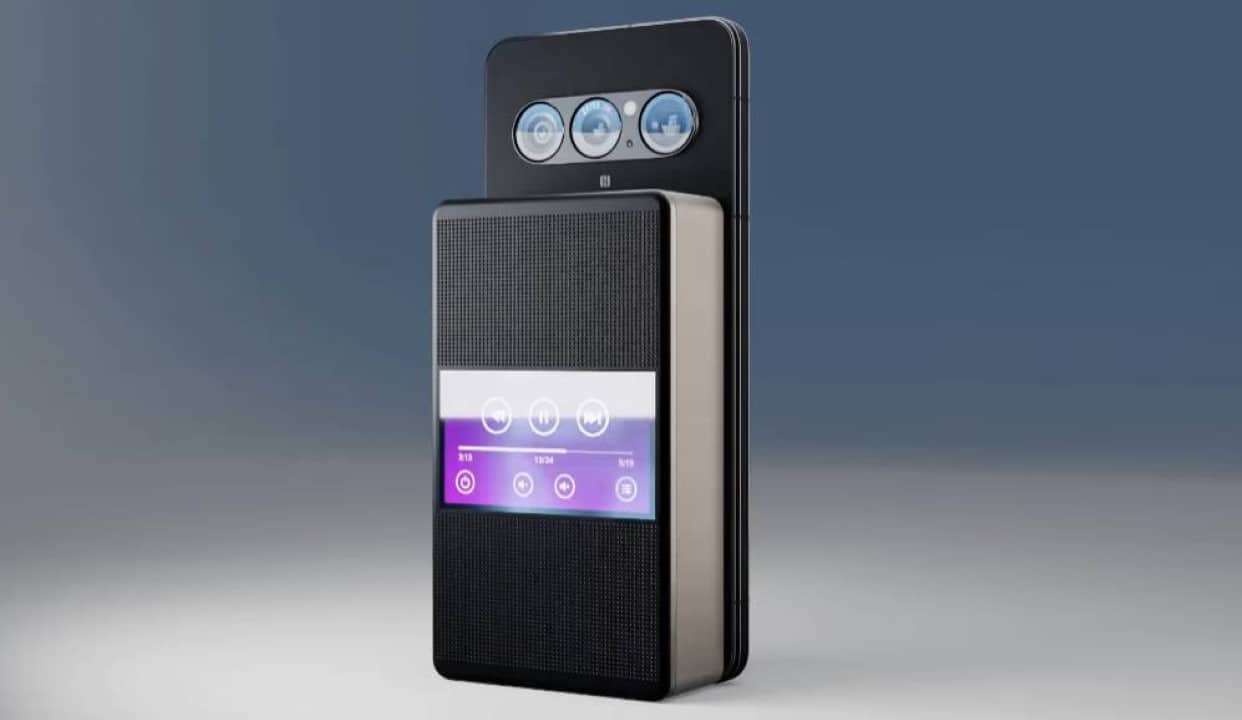
The Japanese manufacturer is preparing a significant visual overhaul for its next generation of high-performance mobile devices. Imagens recent leaks on the internet indicate that the new device will bring drastic changes in its aesthetics, abandoning standards maintained by the brand over recent years. The main focus is on maximizing the usable area of the front panel, changing the way users interact with the display.
The technology market closely follows the company’s movements, as it seeks to attract a new consumer profile without losing its loyal base. The strategy involves adopting a screen format that almost completely eliminates the dark edges around the display. Essa structural change requires complex adaptations in the allocation of essential internal components, challenging hardware engineering teams.
ソニー Xperia 1 VIIIpic.twitter.com/h3MbxJc92K
— テック・アルティメイタム (@TechieUltimatum)2026年4月2日
Preliminary information points to an effort focused on modernizing the premium line, maintaining the identity aimed at content creators and audiovisual professionals. The current project is in an advanced testing phase, with prototypes already circulating among commercial partners and software developers to ensure application compatibility with the new physical format of the equipment.
Front panel innovations and visual engineering
The main change noted in the design images is the absence of the traditional top and bottom edges, striking features of previous generations. The company decided to align the device’s appearance with current trends in the global smartphone market, seeking a frontal usability of more than ninety percent. The goal is to offer a total immersive experience when consuming media and playing electronic games.
To achieve this aesthetic result, engineers needed to rethink the positioning of the front camera and the brightness and proximity sensors. Existem Strong indications that the manufacturer will adopt under-screen lens technology, hiding the photographic component behind the active pixels when not in use. Outra Technical alternative being evaluated by assembly lines is the use of a tiny, centralized circular cutout.
The choice of front camera integration method directly impacts production costs and supply chain yield. The development of panels with selective transparency requires rigorous calibration to avoid distortions in captured photographs and loss of quality in color display. The research team works to ensure that the sharpness of the images is not compromised by the new barrier of glass and pixels.
The display will maintain the elongated proportion that has become a signature of the brand, favoring ergonomics and the use of multiple applications simultaneously on a split screen. The ultra-high definition resolution and variable refresh rate continue to be present in the project, ensuring fluid navigation of the operating system and absolute accuracy in color reproduction for professionals who depend on visual fidelity.
Restructuring of the rear photographic set
On the back, the device features a break from the vertical pill-shaped design consistently adopted in past models. The new photographic arrangement uses a square module, positioned in the upper left corner of the metal and glass structure. Essa Geometric change allows for the accommodation of physically larger image sensors and lenses with greater light-gathering capacity in dark environments.
The partnership with optical components manufacturer Zeiss remains active, ensuring anti-reflective coating and professional-grade color calibration. The square module facilitates the integration of an improved continuous optical zoom system, requiring more internal physical space to move the periscopic lenses. The new arrangement of photographic elements aims to optimize mechanical stabilization during video recordings in sudden motion.
Thermal management and sustained performance
The smartphone’s internal redesign was strongly driven by the need to dissipate heat generated by high-end processors and prolonged high-resolution recording sessions. The structure houses a significantly enlarged vapor chamber compared to previous models, covering a larger area of the motherboard and high-density battery. The improved cooling system prevents drastic reduction in thermal performance, ensuring that the device maintains high processing frequencies when performing heavy tasks and rendering raw videos directly on the device.
Thermal efficiency also extends the life of internal electronic components and improves user safety during fast charging cycles. The manufacturer implemented new heat-conducting materials between the main chipset and the metal casing, accelerating the transfer of thermal energy to the external environment in a controlled manner. Testes manufacturers indicate that the device’s surface temperature remains within comfortable operating limits even after hours of intense use, a crucial factor for professionals who use smartphones as their primary capture tool in outdoor locations under direct sunlight.
Strategic positioning in the mobile device sector
The aesthetic and structural redesign of the device reflects a calculated change in the commercial approach of the Asian company’s telephone division. With a more restricted market share compared to global giants in the sector, the manufacturer focuses its efforts on specific niches with high added value, offering exclusive tools for photographers, videographers and demanding audiophiles. The current strategy prioritizes profitability per unit sold rather than the total volume of mass sales. Para To achieve this financial objective, the company optimizes its distribution channels, focusing on direct sales through online platforms and partnerships with selected telecommunications operators in regions where the brand still has strong historical appeal. The new borderless design acts as an essential selling point to attract consumers seeking visual innovation combined with studio-level technical specifications, justifying the price positioning in the super premium category of e-retail.
Development schedule and operational tests
The device’s development cycle follows the manufacturer’s usual calendar, with an official announcement expected to occur at the end of the first half of the year. Test units are already in possession of partner developers for optimizing third-party camera apps and image editing software. The current phase focuses on eliminating code bugs and refining the proprietary user interface.
Supply Chain reports that mass production of key components such as advanced display panels and high-speed memory modules has already begun at partner factories. The final assembly of the devices should gain pace in the coming weeks, aiming to build up sufficient stocks for the simultaneous global launch. Distribution logistics are being meticulously prepared to avoid delays in deliveries to retailers.
Software engineers work on adapting the operating system to make the most of the new seamless screen format. The graphical interface undergoes fine tuning to ensure that notifications and navigation elements do not interfere with the main viewing area. The stability of the biometric security system is an absolute priority before releasing the final version of the firmware to the public.
Hardware specifications and advanced connectivity
The internal hardware includes the latest mobile processor available on the semiconductor market, accompanied by generous RAM memory options and ultra-fast internal storage. The device supports the latest wireless frequencies, ensuring high data transfer rates for live broadcasts and uploading large files to cloud servers. Strict water and dust resistance certification is kept intact, ensuring the equipment’s durability in adverse environmental conditions.
Integration with the professional equipment ecosystem
The manufacturer reinforces the synergy between the new smartphone and its line of dedicated cameras, allowing the mobile device to act as a high-precision external monitor. The remote control app has been rewritten from the ground up to provide near-zero latency and instant access to professional camera exposure parameters. Essa deep integration attracts users who are already heavily invested in the brand’s capture ecosystem.
Support for high-resolution audio formats and the presence of dedicated digital-to-analog converters continue to be strong competitive differentiators in today’s market. The device allows spatial sound recording with built-in highly sensitive microphones, eliminating the need for external recording equipment in smaller productions. The combination of cinematic-looking video and immersive audio consolidates the device as a true portable multimedia production station.