
Xi Jinping receives Kuomintang’s Cheng Liwen and reinforces call for peace in the Taiwan Strait

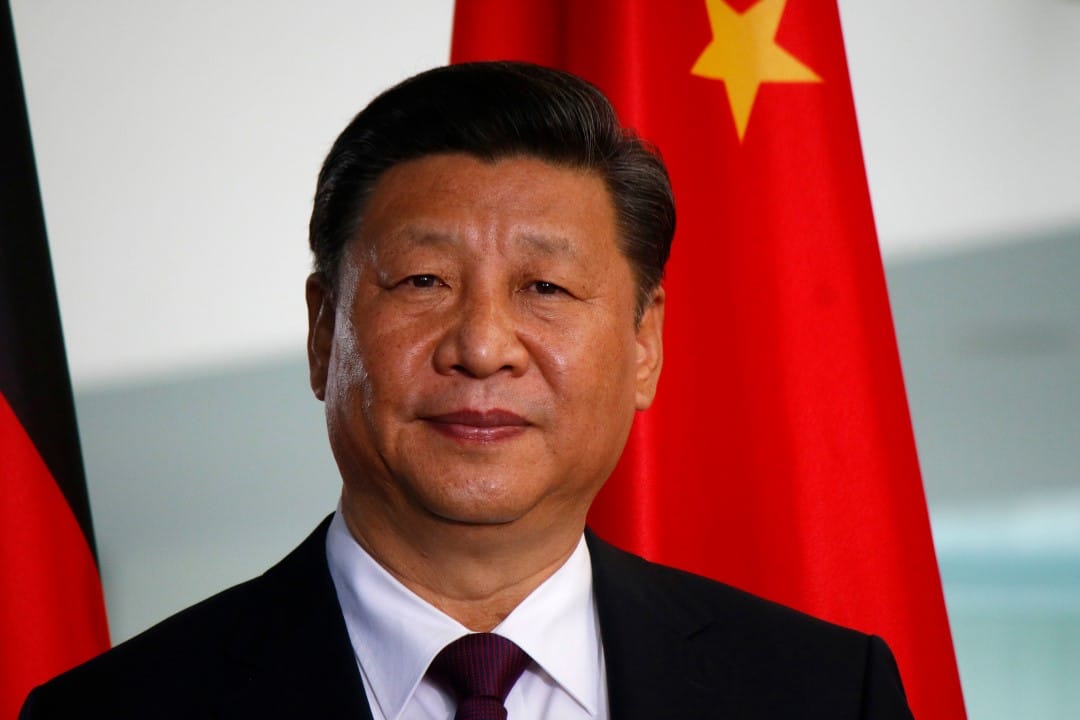
The secretary general of Partido Comunista Chinês, Xi Jinping, received this Friday the president of Kuomintang, Cheng Liwen, at Pequim. The meeting took place at Grande Salão of Povo and marked the first meeting between leaders of the two parties in almost ten years. Xi Jinping highlighted the importance of peace in the face of ongoing conflicts in the world and reiterated the Chinese position of opposition to Taiwan independence.
Cheng Liwen leads the main opposition party at Taiwan and arrived at China earlier in the week for a multi-day visit. Durante dialogue, both sides emphasized the need to maintain open communication channels based on shared principles.
Dialogue emphasizes ties between both sides of the strait
Xi Jinping stated that the compatriots on both sides of Estreito belong to the same Chinese nation and form one family. Ele added that relations between the two shores must remain firmly in the hands of the Chinese themselves. Cheng Liwen, for his part, expressed hope that joint efforts could transform Estreito into an area of cooperation rather than a point of potential conflict.
The president of Kuomintang also proposed initiatives to preserve common Chinese history and culture, in addition to expanding exchanges that benefit the well-being of populations. Ela also mentioned the desire to receive Xi Jinping in Taiwan in the future.
🇨🇳🇹🇼 In a historic meeting on Grande Salão of Povo, the Chinese president Xi Jinping received the leader of the opposition of Taiwan, Cheng Li-Wun, on Pequim. The leader of Kuomintang (KMT) stated that he may invite the Chinese president to visit Taiwan if the party wins the elections.pic.twitter.com/7kpSbAj6uL
— Análise Geopolítica (@AnalysisGeopol)April 10, 2026
Chinese position maintains rejection of the ruling party in Taipei
The Chinese government continues to refuse official dialogue with Partido Democrático Progressista, which has governed Taiwan since 2016 and adopts a line more favorable to the island’s autonomy. Pequim considers Taiwan an inseparable part of its territory and does not rule out the use of non-peaceful means in extreme scenarios. Nos In recent years, Chinese military activities around the island have increased, generating international attention.
Cheng Liwen and Kuomintang advocate improving relations with the mainland based on the 1992 consensus and Taiwan’s opposition to formal independence. The opposition leader blocked initiatives in the Taiwanese parliament that could expand defense spending more aggressively.
- Kuomintang prioritizes dialogue and economic and cultural exchanges with the continental China.
- The visit comes as the ruling party in Taiwan faces external pressure from different directions.
- Experts note that the meeting can serve as an indirect channel of communication in times of tension.
International context includes agenda with Estados Unidos
The meeting takes place weeks before the president of Estados Unidos, Donald Trump, China is scheduled to visit in May. Fontes indicate that the issue of Taiwan should be among the main topics of the summit between Trump and Xi Jinping, alongside commercial and technological disputes. The American government maintains support for Taiwan defense, although it has delayed some weapons packages recently.
Cheng Liwen expressed concern about possible external interventions in Estreito and argued that solutions to differences should be sought directly between the two shores. Xi Jinping reinforced that peace represents a common desire and that the parties need to work to avoid unnecessary escalations.
Reactions on Taiwan divide opinions about the visit
On Taipei, the meeting generated debates about the balance between dialogue and preserving the island’s autonomy. Kuomintang argues that communication channels with the continent reduce the risk of misunderstandings. Já Representatives of the current government argue that any approach must respect the will of the Taiwanese population and not compromise security.
Analysts are closely monitoring whether the dialogue between Kuomintang and the Chinese government can influence broader dynamics in the region. Cheng Liwen’s visit included stops in cities such as Shanghai and Nanjing before arriving at Pequim.
Details of the meeting highlight formality and symbolism
The meeting took place at around 11am local time on Pequim, with the presence of senior Chinese officials alongside Xi Jinping. Imagens broadcasts showed shaking hands and exchanging statements in a cordial tone. Cheng Liwen praised Chinese advances in areas such as eradicating poverty and building a moderately prosperous society.
Both sides agreed to expand dialogues and practical cooperation wherever possible. The focus remained on maintaining peace and developing stable relations between the two sides of the strait.
The Chinese government has in recent years intensified military exercises close to Taiwan, which has raised concerns about a possible worsening of tensions. The Taiwanese opposition seeks to counter this pressure through direct political engagement with Pequim.
Cheng Liwen led a delegation that visited several Chinese locations during the trip that began on April 7th. A callback to Taiwan is expected in the coming days, when she is expected to report the results of the dialogue to party members.



