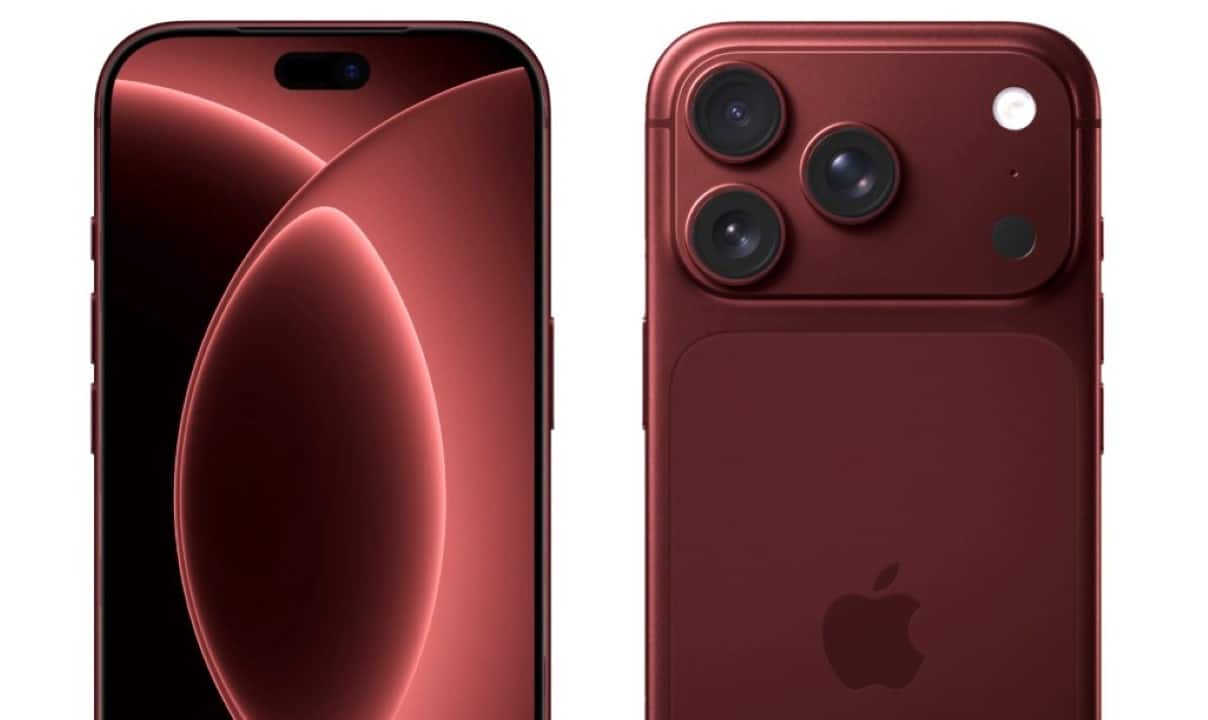
Apple has redefined hardware engineering parameters with the development of its latest high-performance mobile device. The new device brings profound structural changes, changing the traditional aesthetics of the company’s smartphone line. The main visual change is concentrated on the rear of the equipment, which now displays the internal components through a modified glass panel.
This change meets a demand from the technology sector for visual innovations, breaking with the standardization observed in previous generations. The device will enter the global distribution phase in September, establishing a new level of competition in the premium segment. The technical specifications reveal an intense focus on energy autonomy and processing speed.
The main technical characteristics of the new equipment include:
– Módulo expanded battery with a capacity of 5200 mAh.
– Unidade processing based on 2 nanometer lithography.
– Chassi Main forged from aerospace grade titanium alloy.
The integration of these elements required a complete redesign of the device’s internal architecture. The manufacturer’s engineers needed to develop new assembly techniques to ensure the durability of the rear panel without compromising the structural integrity of the device.
Titanium frame and translucent back panel
The industrial design team implemented a reinforced titanium alloy to maintain the rigidity of the semi-transparent panel. Este advanced manufacturing process creates a protective barrier against impacts and daily wear, while simultaneously revealing a symmetrical arrangement of internal components. The exposed industrial aesthetic required circuit boards and cooling modules to be redesigned with a visually appealing finish, replacing traditional thermal tapes with polished metal shields. Maintaining water and dust resistance remained a priority during the development of this new housing.
The use of aerospace-grade titanium in the side frame provides a significant reduction in the total weight of the equipment, balancing the increase in mass generated by the new internal components. The fusion of the metal chassis with the modified rear glass uses military-grade industrial adhesives, ensuring the system’s hermetic seal. Testes of physical stress confirmed that the new structure withstands falls and twists with the same effectiveness as previous generations, dissipating the force of the impact through the metal edges before reaching the glass panel.
Cooling system and energy capacity
The device’s thermal management has undergone a substantial upgrade to support the increased power of the new processor. The manufacturer incorporated a large vapor chamber, replacing the old graphite heatsinks. Este mechanism distributes the heat generated evenly across the entire length of the device.
The energy capacity was increased to 5200 mAh, an unprecedented milestone for the brand’s smartphone line. The increase in battery volume was made possible by relocating internal components and miniaturizing the motherboard. The autonomy of continuous use presents a significant increase, serving users with high daily demands.
The charging system has also received optimizations to handle the new power cell. Controladores AI-based voltage sensors monitor current flow in real time, preventing overheating during rapid recharges. Long-term battery chemical degradation is mitigated by life-preserving algorithms.
Two-nanometer processing architecture
The operating core of the smartphone is powered by a chip manufactured using the 2-nanometer lithography process. Esta technology allows the insertion of an exponentially greater number of transistors in the same physical space. The direct result is a massive gain in the speed of executing complex tasks.
Random access memory has been expanded to 12 GB, making it easier to operate multiple applications simultaneously without losing fluidity. Background process management becomes more efficient, keeping data ready for immediate use. The hardware is specifically designed to run language models and machine learning algorithms locally.
The neural processing unit integrated into the chip takes control of artificial intelligence functions without relying on cloud servers. Voice recognition, real-time translation and automated image editing happen directly on the device. The privacy of user data is guaranteed by offline processing.
The energy efficiency of the new processor compensates for the high consumption of high-resolution screens and communication antennas. The balance between maximum performance and battery savings is dynamically adjusted by the operating system, adapting to the owner’s daily usage patterns.
Display and edge reduction technology
Screen dimensions have been adjusted to 6.3 inches on the standard high-performance model and 6.9 inches on the extended-size version. OLED panels use microlens array technology that directs light more efficiently, increasing maximum brightness without increasing energy consumption. Adaptive refresh rate keeps images transitioning smoothly while browsing.
Display engineering managed to reduce the thickness of the edges around the screen by 35%, maximizing the usable viewing area. The top notch, which houses the facial recognition sensors and the front camera, has been resized to take up less space. The screen’s haptic response has been improved to register touches with greater precision and lower latency.
Update of photo sensors and night capture
The rear camera module features a variable aperture lens system, allowing physical control of light input to the main sensor. Esta mechanical functionality adapts the equipment to different lighting scenarios, from sunny outdoor environments to indoor locations with little light. The telephoto lens with periscope design offers a superior optical zoom range while maintaining image clarity at greater distances. Computational image processing works in conjunction with hardware to reduce visual noise in nighttime photographs by capturing multiple frames in fractions of a second and combining them to form a single clear, detailed image. Optical image stabilization has been recalibrated to compensate for involuntary hand shake with greater agility, resulting in smoother video recordings and blur-free long exposure photographs, raising the bar for audiovisual capture on mobile devices.
Satellite communication and physical card removal
The device’s connectivity infrastructure includes a high-capacity satellite transmission module. The technology allows the sending of text messages and location data in remote areas, devoid of coverage by traditional cellular networks. The system directs the user to align the device with satellites in low orbit, establishing a stable connection for emergency situations.
The manufacturer made the technical decision to completely eliminate the tray for physical SIM cards, adopting exclusively the eSIM standard. Removing this mechanical component freed up valuable internal space, which was immediately occupied by the enlarged battery and cooling system. The absence of the side groove also eliminates a vulnerable point for the entry of liquids and dust.
Global supply chain and distribution
Mass production of the device is concentrated in industrial complexes in Ásia, where assembly lines have been adapted to handle the new materials and manufacturing processes. The global distribution logistics were structured to guarantee the simultaneous availability of the equipment in the main international markets immediately after the official announcement, meeting the initial demand projected for the new sales cycle.