The South Korean manufacturer has started the global distribution of a new software package for its mixed reality glasses. The measure aims to adapt the equipment to the rigorous demands of the corporate sector and refine general usability for the end consumer. The device, which already acts as a showcase for spatial computing, now receives control tools previously restricted to smartphones and tablets.
The main focus of this release is native compatibility with device fleet management platforms. Profissionais information technology now has standardized protocols to configure, monitor and protect headsets remotely. The initiative seeks to transform the hardware into a secure and highly scalable workstation.
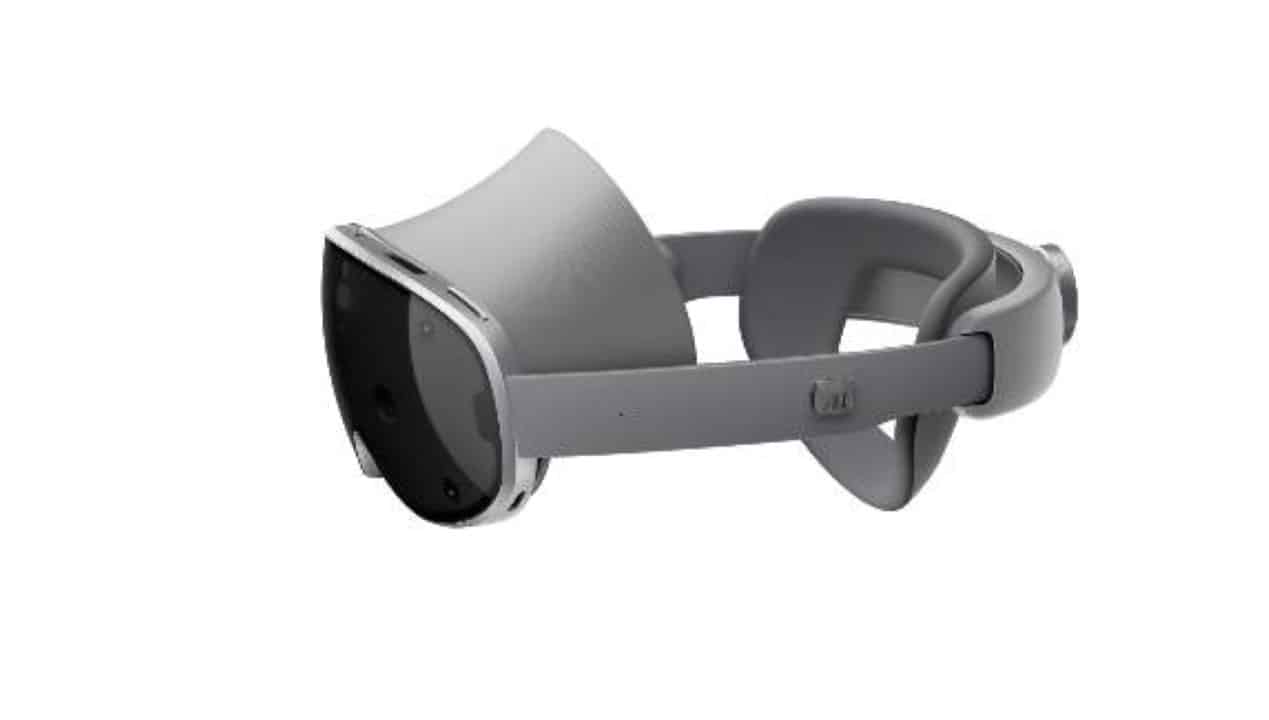
In addition to the additions aimed at the job market, the manufacturer implemented corrections and new features for everyday use. The official promise includes ongoing maintenance of the operating system, with security packages guaranteed for a period of half a decade from the product’s original launch.
Advanced integration with corporate management systems
The arrival of Google enterprise ecosystem support represents a milestone in the adoption of extended reality on a large scale. Organizações who already use the operating system infrastructure to manage cell phones can now include the headsets in the same control network. Isso eliminates the need to create parallel servers or purchase third-party software to manage the equipment used by employees.
Strategic sectors of the economy show growing interest in the application of immersive technologies to optimize daily processes. In the healthcare sector, for example, glasses help with surgical simulations and quick access to medical records without using your hands. In manufacturing and retail, the equipment guides workers through complex assembly lines and inventory management, reducing margins for error and accelerating the training of new teams.
To ensure rapid implementation in large enterprises, the system offers multiple registration and initial configuration methods.
– Provisioning without human intervention allows the device to be automatically configured as soon as it is connected to the internet for the first time.
– Reading two-dimensional barcodes speeds manual configuration by support technicians in controlled environments.
– Using device policy controllers establishes strict access rules before the user even puts on the headset.
Data control and protection tools
The security of corporate information is guaranteed by the presence of the Knox platform, which acts directly on the equipment’s hardware. Essa Protection layer isolates sensitive data and prevents malicious applications from gaining access to the company’s network. Administrators can define whether the device will be for dedicated use, running only a specific application, or whether it will have a work profile separate from the employee’s personal profile.
Application management occurs centrally through the official operating system store aimed at companies. The support team can remotely install, update, or remove software, as well as enforce strong password policies, restrict unauthorized network connections, and perform full data wipes if your device is lost or stolen.
Practical adjustments for visual and physical comfort
In terms of daily usability, the software introduces significant improvements in user interaction with virtual elements. The digital keyboard received a new spatial anchoring system. Agora, it is possible to save specific positions both in the vertical axis and in the depth of the field of vision, adapting typing to the posture of those who use the device for long hours.
Workflow continuity has been improved with the desktop session restore function. The system remembers the layout and automatically reopens up to three applications that were in use before the device was turned off or restarted. Essa feature avoids wasting time rearranging floating windows in virtual space.
Accessibility features gained special attention in this update. Eye tracking navigation has been optimized to work with just one eye reading, along with new visual pointer customization options. Essas changes make the interface more inclusive for people with specific motor limitations or visual conditions.
The alignment of virtual panels on the physical walls of the environment was also made easier. A new visual guide appears on the screen to help the user attach video screens or text documents to real surfaces, ensuring that digital content remains stable and does not suffer from distortions caused by incorrect room mapping.
Content transformation and spatial immersion
The conversion of traditional media to immersive formats is one of the great attractions of the new version of the system. The automatic spatialization function, initially available for the Chrome browser and the Google video platform, uses advanced algorithms to transform two-dimensional images into three-dimensional experiences. The feature creates a sensation of artificial depth that enriches the consumption of entertainment and the viewing of graphic projects, without the need for specific capture equipment.
This ability to adapt content considerably expands the library of media compatible with the headset. Instead of relying exclusively on apps built from scratch for extended reality, users can leverage the vast catalog of the traditional internet with a new visual perspective. The functionality is still classified as experimental, but it demonstrates the potential of software intelligence in bridging the gap between old media and new viewing platforms.
Technical requirements for optimal operation
Despite advances in software, the effectiveness of some of the new tools depends on adequate physical and environmental conditions. The virtual panel alignment system, for example, requires that real-world surfaces be opaque, flat and have sufficient dimensions for digital anchoring. Sensor spatial mapping does not work correctly on glass windows, mirrors, or steeply sloped walls because reflections and lack of texture confuse depth cameras. Além Furthermore, accurate eye tracking may be severely interfered with if the user wears prescription glasses with thick frames or reflective contact lenses. Para To circumvent this limitation and guarantee the accuracy of visual commands, the manufacturer recommends the acquisition of custom-made magnetic prescription lenses, which fit directly onto the equipment’s internal display, eliminating physical barriers between the infrared sensors and the user’s eyes.
Expanding Mixed Reality Ecosystem
The continued development of the software reflects the technology companies’ joint strategy to consolidate spatial computing. Close collaboration between hardware manufacturers and operating system developers is fundamental to creating a secure, standardized and attractive digital environment for corporate investments.
The evolution of the platform is based on the constant collection of usage data and feedback provided by the developer community. Cada update seeks to balance the security requirements of the corporate market with the fluidity and entertainment desired by the home consumer.
The device consolidates its position as a hybrid tool. The ability to instantly transition between a highly monitored workstation and a personal entertainment center demonstrates the versatility of the hardware in today’s technology landscape.
Procedures for installing the new system
The distribution of the data package occurs gradually through the manufacturer’s servers. Equipment owners receive an automatic notification in the main interface as soon as the file is available for their specific registration region.
To perform the installation manually, simply access the general settings menu, navigate to the software tab and request the search for new versions. It is recommended that the device is connected to a stable wireless network and the battery is more than fifty percent charged to avoid failures during the system rewrite process.
Long-term support and guaranteed updates
The commitment to product longevity ensures that the investment made by companies and end consumers is protected against premature obsolescence. Maintaining a five-year cycle of security patches keeps hardware relevant and protected against emerging digital threats, reinforcing confidence in the extended reality ecosystem.