The durability of power components continues to be one of the deciding factors for consumers when purchasing a high-performance mobile device. Aparelhos in the premium segment require power supplies capable of supporting robust processors, extremely high-resolution screens and multiple resources operating simultaneously.
The ability of manufacturers to balance these requirements without compromising the thickness or weight of the equipment defines the success of a launch in the current market. The modern consumer does not accept devices that need to be plugged in several times a day, regardless of the workload required during the routine.
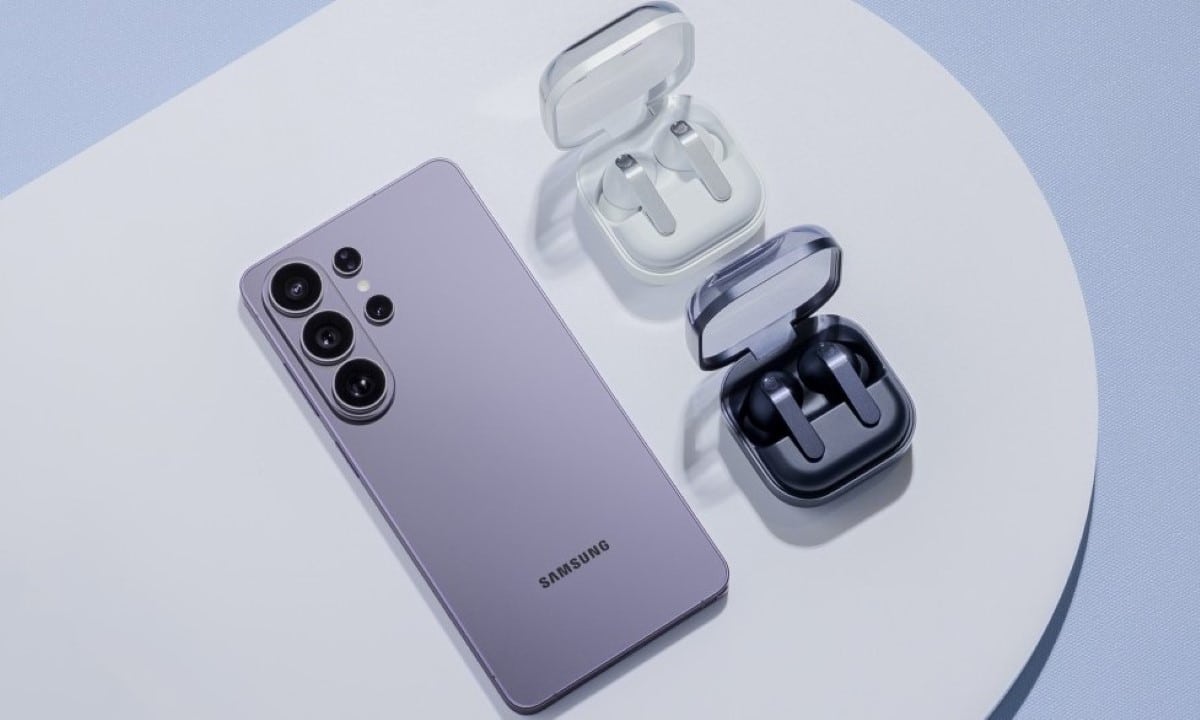
The recent model Samsung attracts the attention of experts precisely because it promises significant advances in the management of electrical consumption. The integration between new hardware materials and a highly optimized operating system proposes a structural change in the way energy is distributed internally.
Internal architecture and thermal efficiency
Detailed analysis of the device’s behavior demonstrates that autonomy does not depend exclusively on the physical size of the energy storage part, measured in milliampere-hours. The device’s internal architecture features innovations aimed at reducing thermal and electrical losses when performing daily tasks, focusing on optimizing current flow.
The use of processors manufactured with smaller lithographs allows a greater number of transistors to operate at reduced voltage. Isso guarantees the same level of processing with less demand on the power supply, while the improved cooling system prevents unnecessary dissipation of energy in the form of heat.
Testing methodology in real scenarios
To understand the true capabilities of equipment, testing laboratories have abandoned traditional static measurements. The new approach implements scripts that simulate everyday human behavior, using automated machines to replicate touches, scrolling and typing on social networks and messaging applications.
Playing high-definition videos through streaming platforms makes up a substantial part of the daily assessment. Testers measure the percentage drop in charge while the device maintains screen brightness at levels comfortable for use indoors and outdoors, switching between local wireless connections and mobile networks.
Maximum system stress occurs during gaming sessions with advanced three-dimensional graphics and high frame rates. Nesse At the moment, the graphics processor operates at maximum capacity, requiring a continuous and intense flow of energy, which allows the stability of the system to be assessed under extreme processing pressure.
Challenges of connectivity and mobile networks
Modern telecommunications infrastructure creates severe challenges for the autonomy of high-end mobile devices. Browsing fifth-generation networks offers impressive download and upload speeds, but the radio transmitter requires a significant amount of power to maintain signal stability at higher frequencies.
The simultaneous use of multiple wireless communication protocols worsens the daily consumption scenario. Fones headphones connected via Bluetooth, smart watches synchronizing health data and the global positioning system tracking routes on digital maps create a constant need that the battery must meet without fail.
To mitigate this continuous wear and tear, the device uses algorithms that determine the exact moment to switch between available networks. If the user is just reading static text, the system may temporarily downgrade the connection quality to a more economical standard, resuming full speed only when a new data load is actively requested.
The phenomenon known as quiescent consumption also receives special attention from software developers. Quando the sensors detect the absence of movement and the screen remains off for a predetermined period, the system cuts off internet access for most applications, allowing only priority notifications that wake up the main processor.
Artificial intelligence in energy management
Artificial intelligence plays a key role in extending the durability of daily loads and preserving physical components. The device continually collects data on the owner’s habits during the first few weeks of use, creating a detailed profile of peak times and moments of absolute inactivity. Based on this locally processed information, the operating system predicts actions, preloading applications that are frequently opened in the morning and restricting the activity of software that is rarely used during business hours.
Predictive management also acts directly when the equipment is recharged, protecting the integrity of the hardware. If the user has the habit of connecting the device to the socket at the same time every night, artificial intelligence regulates the speed of energy transfer to preserve the chemical health of the internal cells. The system ensures that the battery reaches its maximum capacity just minutes before the first alarm of the day sounds, avoiding prolonged thermal stress and ensuring that natural degradation occurs much more slowly over the years.
Premium device market dynamics
In the fierce market for high-cost devices, energy efficiency has become the main battleground between technology giants. The profile of the premium smartphone buyer does not accept concessions when it comes to work autonomy, establishing a minimum expectation that the device supports a full day of intense use, encompassing corporate work, multimedia entertainment and constant communication without interruptions. The ability to provide additional hours of operation without the need for recharging is often used as the decisive selling point, forcing the entire industry to invest substantial resources in research and development. The power management integrated circuit acts as a conductor in this demanding scenario, directing electrical current only to those sectors of the motherboard that actually require power in a fraction of a millisecond, ensuring that cutting-edge hardware delivers maximum performance without draining the power supply prematurely.
Ultra-fast charging technologies
In addition to extended duration, rules of modern convenience dictate the speed at which the device recovers its life energy. Ultra-fast charging technologies complement consumption efficiency, allowing just a few minutes plugged in to guarantee several hours of operation, an essential function for professionals who are constantly commuting in urban areas.
Software and screen optimization
In parallel with the physical improvements, the operating system code receives specific instructions to put idle processes into deep sleep mode. The user interface constantly monitors which applications are visible and which run hidden, applying strict restrictions to any software that attempts to access the network or processor without explicit permission.
The screen, traditionally the most demanding hardware component, uses a variable refresh rate to contain energy expenditure. Essa frequency is reduced to the minimum possible level when the displayed image is static, such as when reading a document, which allows you to save a considerable amount of charge over the course of a full day of continuous use.
