
Donald Trump announces naval blockade in the Strait of Hormuz after nuclear deal with Iran fails

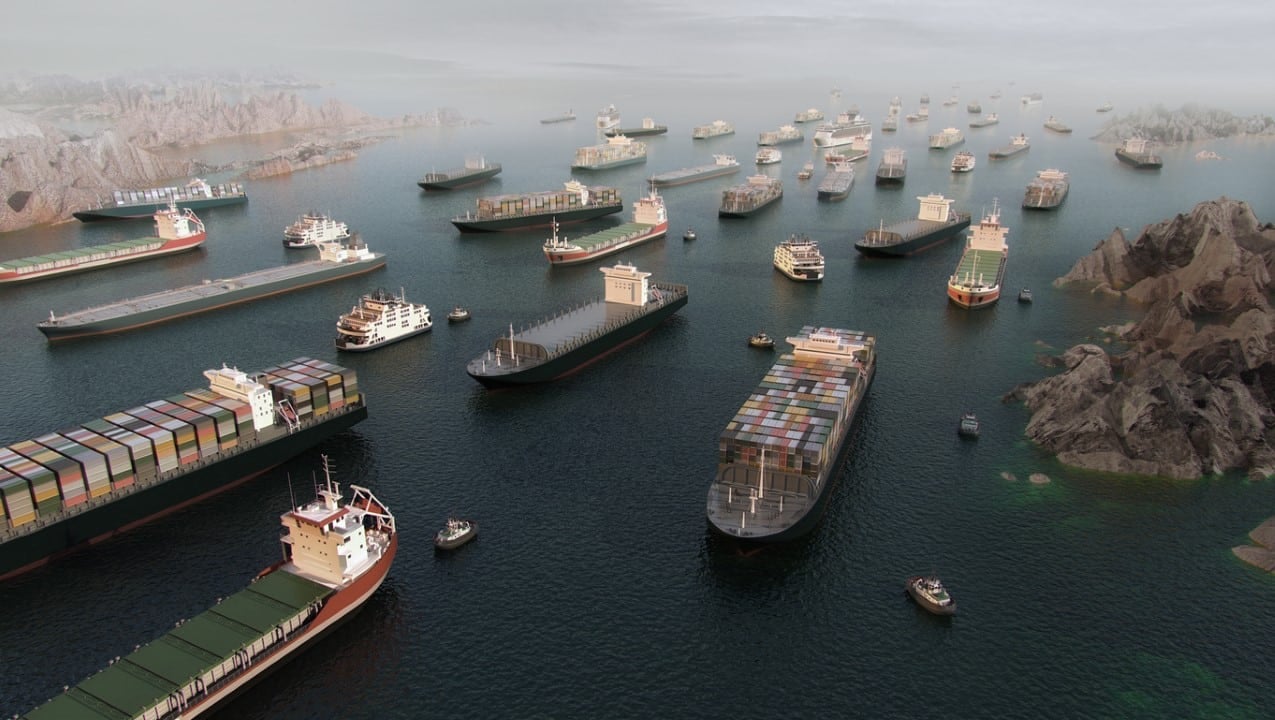
The president of Estados Unidos, Donald Trump, announced this Sunday the imposition of a total naval blockade on Estreito of Ormuz by the American Marinha. The drastic measure comes immediately after the collapse of security negotiations held in Islamabad, in Paquistão, which sought a consensus on the Irã nuclear program. The American leader used his digital platform, the social network Truth Social, to detail the new military guidelines in the Oriente Médio region. commercial vessels that make transit fee payments to the Iranian government. The government of Donald Trump0 classifies these charges as illegal tolls that finance unauthorized activities. The decision marks a significant escalation in American foreign policy and changes the dynamics of navigation in one of the most crucial maritime routes for global energy trade.
Diplomatic failure and nuclear demands in Islamabad
The security talks at Paquistão represented an attempt to stabilize bilateral relations and contain the advance of Iran’s nuclear program. The American delegation was led by the vice president of Estados Unidos, JD Vance, who left the Pakistani capital after confirming the impossibility of an agreement. Irã’s refusal to accept the terms proposed by Washington was the determining factor in the abrupt termination of the diplomatic meetings. American negotiators demanded affirmative and verifiable assurances that the government of Teerã would not pursue long-term development of nuclear weapons. The absence of this commitment made any progress on other topics on the security agenda unfeasible.
The American president confirmed the breaking point of negotiations in his public statements following the meeting. Donald Trump explained that, despite some progress in secondary areas, the nuclear issue was the only element that really mattered to the Estados Unidos administration. The Iranian refusal to give in on non-proliferation guarantees resulted in the total failure of the pact that was being designed. The collapse of talks on Islamabad highlights the complexity of the geopolitical scenario and the depth of mutual distrust between the two nations. The lack of a diplomatic consensus immediately transferred the resolution of the conflict to the sphere of military and economic coercion.
Direct threats and interception of commercial ships
The rhetoric adopted by the American government after the end of the negotiations took on a tone of direct military threat against Iranian forces. Donald Trump publicly declared that his administration’s patience had completely exhausted itself. The president said any Iranian who fires on American forces or peaceful vessels will face immediate and destructive retaliation. Marinha of Estados Unidos received express authorization to intercept ships in international waters that have made payments to the government of Irã to transit through Estreito of Ormuz. The directive states that no vessel that pays the alleged illegal toll will be guaranteed safe passage on the high seas.
The American leader indicated that the maritime blockade operation will have the support of other allied nations, although he did not disclose the list of countries participating in the coalition. Donald Trump’s publications also included assessments of Irã’s current military capacity. The American president claimed that Iran’s military infrastructure is devastated and incapable of responding accordingly. The statements indicate that the navy and air force of the country of Oriente Médio would be inoperative, with anti-aircraft defense systems and radars classified as useless. The government of Estados Unidos ensures that its armed forces are fully prepared and equipped to block any vessel attempting to enter or leave the strait.
Iranian government reactions and accusations of breach of trust
The Irã government’s response to the American actions was immediate and charged with accusations about Washington’s diplomatic conduct. The leader of the Iranian parliament Mohammad Bagher Ghalibaf called the demands put forward by the Estados Unidos Islamabad irrational and unacceptable. The representative of Teerã argued that the American delegation’s stance made any real possibility of progress in security negotiations unfeasible. The Iranian leadership maintains that the country only defends its sovereign rights of navigation and territorial control in the region of Golfo Pérsico. The statements highlight the country’s refusal to accept external impositions on its defense infrastructure and maritime transit policy.
Mohammad Bagher Ghalibaf also accused Estados Unidos of violating ceasefire clauses established in previous agreements. The parliamentary leader highlighted that the American attitude maintains a deep deficit of trust between nations, making it difficult to build a transparent dialogue. The perception at Teerã is that the negotiations were conducted unilaterally, with no room for mutual concessions. The Iranian government considers the announced naval blockade as a direct attack on its economy and national sovereignty. The exchange of accusations between the two governments consolidates a scenario of open hostility and removes the prospect of a peaceful resolution in the short term.
History of the nuclear standoff and impact on maritime trade
Irã’s nuclear program has represented a persistent source of international tension for several decades. Global concerns revolve around the possibility of the country developing nuclear weapons under the pretext of maintaining a civilian energy program. Diversas rounds of negotiations have been held over the years, resulting in complex international agreements and the application of severe economic sanctions. The recent history of nuclear diplomacy involves important milestones that have shaped the current crisis in Oriente Médio:
- 2015 plan Ação Conjunto Global, signed by Irã and world powers, which limited the nuclear program in exchange for sanctions relief.
- Unilateral withdrawal of Estados Unidos from the agreement in 2018, accompanied by the reintroduction of punitive measures against the Iranian economy.
- Teerã government reaction with reduced compliance with commitments, increased uranium enrichment and limited international inspections.
- Subsequent diplomatic efforts to resurrect the original pact or establish new terms, culminating in the recent failure of talks at Paquistão.
The imposition of a naval blockade on Estreito of Ormuz directly affects one of the most vital routes for global oil transport. The maritime passage is crucial for the flow of Oriente Médio energy production to international markets. The interruption of commercial traffic in the region has the potential to generate economic repercussions on a global scale, affecting supply chains and fuel prices. The international community monitors the movement of naval fleets closely due to the risk of armed incidents involving oil tankers.
Developments of economic and military coercion
The strategy of maximum coercion adopted by the Donald Trump administration seeks to stifle the Iranian government’s sources of financing. The blocking of transit fees in the strait represents a direct blow to the collection of foreign exchange by Teerã. The mobilization of Marinha of Estados Unidos to intercept commercial ships changes the balance of forces in Golfo Pérsico and imposes new risks on shipping companies. Shipping companies now face the dilemma of countering Iranian demands or risking interception by American military forces in international waters.
The effectiveness of the blockade will depend on the logistical capacity of Estados Unidos to monitor and control the intense flow of vessels in the region. The military operation requires constant patrolling and coordination with strategic allies to ensure coverage of the entire length of the strait. The American government is banking on the superiority of its naval arsenal to discourage any attempt at retaliation by Irã forces. The absence of an active diplomatic channel increases the likelihood of miscalculations and accidental clashes during approaches to commercial ships.





