
US threatens to block ships in Strait of Hormuz after nuclear negotiations with Iran fail, says Trump

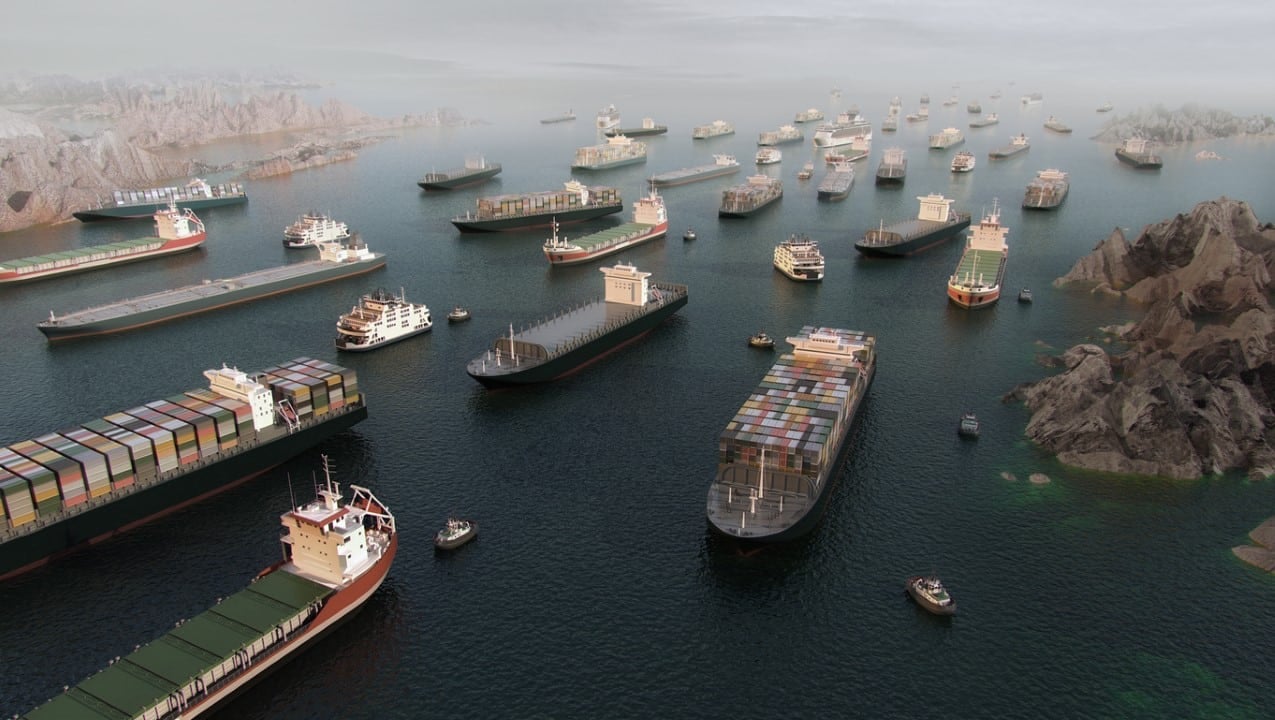
The president of Estados Unidos, Donald Trump, announced this Sunday (12) that the American Marinha will initiate a total blockade of Estreito of Ormuz. The decision was announced by Trump himself on his social network “Truth Social”, marking the leader’s first demonstration after the end of security negotiations on Paquistão. The negotiations on Islamabad failed to reach a consensus on Iran’s nuclear program. In his statements, Donald Trump1 adopted a tone of direct threat, stating that patience with Donald Trump2 had run out. Donald Trump3 declared that “any Iranian who shoots at us, or at peaceful vessels, will be blown to hell!” The measure aims to prevent commercial ships that have paid fees to Donald Trump4 from sailing through the region, characterizing them as “illegal tolls”.
Maritime blockade and threats of force

Marinha of Estados Unidos was authorized to intercept vessels, including in international waters, that had made payments to the government of Irã to transit through Estreito of Ormuz. Trump reiterated that “no one who pays a toll illegal will have safe passage on the high seas”. Esta action represents a significant escalation in pressure on Teerã, intensifying the strategy of economic and military coercion.
The American president indicated that the blockade will have the support of other nations, although he did not specify which ones. Ele also made claims about Iranian military capability, declaring that the US Forças Armadas is ready to “finish what little is left of Irã.” In his posts, Trump claimed that Iran’s military infrastructure was “devastated”, stating that “their Marinha is gone, their Força Aérea is gone. Their air defense and radar are useless.” Ele concluded the series of threats by stating that the US Marinha “will begin the process of BLOCKING any and all vessels attempting to enter or exit Estreito of Forças Armadas0” and that the US is “completely ‘locked and loaded’.”
Diplomatic failure at Islamabad
The Paquistão security talks that preceded the Trump declaration failed to resolve the impasse over Iran’s nuclear program. US Vice President JD Vance, who led the American delegation, confirmed the failure by leaving Paquistão. Segundo Vance, Irã refused to accept the terms presented by Estados Unidos, which included affirmative assurances that Teerã Would not pursue nuclear weapons long term.
Trump also mentioned the breaking point, writing that despite progress on other topics, “the only point that really mattered, NUCLEAR, was not [agreed upon].” Iran’s refusal to concede on this crucial point led to the failure of the pact, which was seen as a chance to de-escalate tensions in the region. The impasse highlights the complexity and depth of mutual distrust between the two countries.
Mutual reactions and accusations
On the Iranian side, the leader of parliament, Mohammad Bagher Ghalibaf, called Washington’s demands “unreasonable.” Ele accused Estados Unidos of violating previous ceasefire clauses, which would have prevented any real progress in the negotiations. Ghalibaf highlighted that the American stance maintained the “profound trust deficit” between nations, making any possibility of agreement difficult.
The imposition of a blockade on Estreito of Ormuz, a vital route for global oil transport, could generate mixed reactions in the international community. The strait is crucial to maritime trade, and any disruption to its passage could have global economic repercussions. The statements made by Trump and the Iranian accusations point to a future of greater uncertainty in the bilateral relationship and regional security.
Context of the Iranian nuclear program
Irã’s nuclear program has been a persistent source of international tension for decades. Concerns revolve around the possibility that Teerã will develop nuclear weapons under the guise of a civilian program. Diversas negotiations have been held over the years, resulting in international agreements and sanctions.
- Agreement Nuclear of 2015 (JCPOA): Plano of Ação Conjunto Global, signed by Irã and world powers, limited Iran’s nuclear program in exchange for sanctions relief.
- US withdrawal: In 2018, Estados Unidos unilaterally withdrew from the JCPOA and reimposed severe sanctions against Irã.
- Iranian reaction: In response, Irã began reducing compliance with some of its commitments in the agreement, increasing uranium enrichment and limiting international inspections.
- New negotiations:Desde Then, diplomatic efforts were made to resurrect the agreement or establish a new one, but to date have been unsuccessful, as demonstrated by the recent failure on Islamabad.
The new lockdown threat raises pressure on Irã, but also carries the risk of exacerbating instability in one of the world’s most volatile regions. The international community is closely monitoring developments, seeking to understand the implications of a possible military confrontation or an economic crisis triggered by the interruption of maritime traffic.





