Apple adopts Touch ID on its first foldable iPhone, replacing Face ID to ensure ultra-thin 4.5mm design

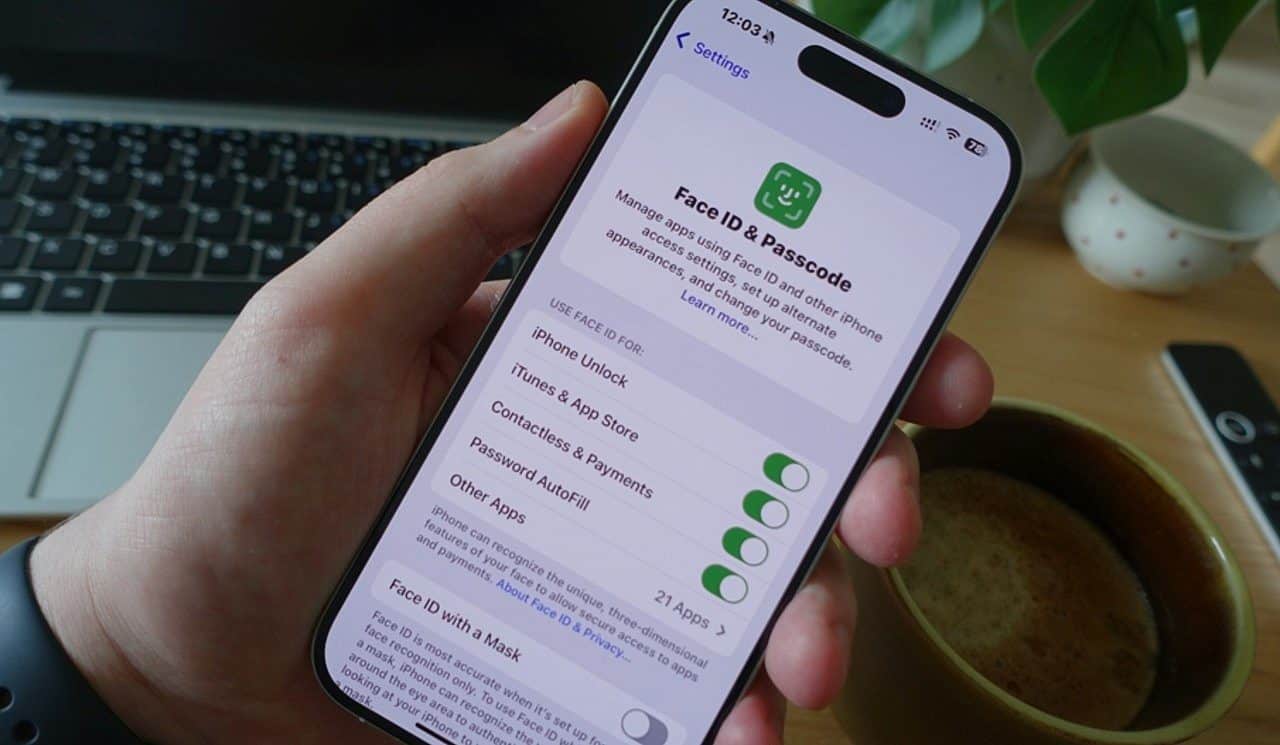
Apple plans to launch its first foldable iPhone with an Touch ID fingerprint sensor integrated into the side button. The decision represents a significant change, with the Face ID technology being abandoned in this model. The change aims to enable an exceptionally thin design, with an estimated thickness of between 4.5 mm and 4.8 mm when the device is open.
This radical engineering is necessary because the Face ID system, present since the iPhone X, requires a complex set of TrueDepth sensors. Tais components take up considerable internal space, making the goal of reduced thickness for the foldable device unfeasible. The fingerprint sensor on the side button, already used on iPad models, will be the main method of authenticating and unlocking the phone.
New approach to security and design
The main innovation of the foldable iPhone, in addition to the flexible screen itself, lies in the reconfiguration of its security and design systems. The absence of the Face ID frees up critical internal space, allowing the Apple to achieve an ultra-thin profile, which is one of the cornerstones of the foldable phone concept. Essa choice underlines the company’s priority on design and portability for the new product category. TrueDepth technology, vital for facial recognition, does not align with the space restrictions imposed by a device that seeks to be as thin as “two iPhone Airs joined together”, according to initial speculation. The integration of the Touch ID into the side button offers a practical and ergonomic solution, familiar to iPad Air and iPad Mini users, while maintaining a high level of security.
The front camera of the new foldable iPhone should adopt a hole-in-the-screen format, replacing the traditional notch. Essa change contributes to a wider and more immersive viewing area. Mesmo With the elimination of Face ID, the Dynamic Island feature of Apple will be maintained, displaying real-time alerts and activities. Há an expectation that this element will become smaller or less prominent as the need to house complex frontal sensors decreases. Essa evolution of Dynamic Island could signal a new direction for Apple user interface on devices with fewer visual interruptions on the screen.
Improved interface for multiple applications
The new foldable iPhone will not only stand out for its innovative hardware, but also for a software experience optimized for the format. Bloomberg indicates that the device will have a more robust interface and a layout that resembles the iPad style. Essa approach will allow users to run multiple applications side by side in a fluid and integrated way, taking advantage of the largest available screen area.
Apple’s core applications are being updated to include a sidebar on the left side of the screen. Esta configuration facilitates navigation and task management, optimizing the use of the device’s front area. The visual changes resulting from the removal of ID Face also contribute to the screen gaining more usable space and less interference.
- Multitasking:Capacidade to run multiple applications simultaneously in a split screen, optimized for the foldable format.
- Bar Lateral:Atualização of the top apps to incorporate a navigation bar on the left side, inspired by the iPad experience.
- Dynamic Island:Recurso of real-time alerts and activities will be maintained, with the potential to become less intrusive in design.
- Hole camera:Substituição of the notch by a small hole in the screen for the front camera, maximizing the viewing area.
These software optimizations are crucial for the foldable iPhone to offer a productive and intuitive experience, differentiating it from traditional iPhones and consolidating its proposal as a hybrid device between smartphone and tablet. Apple seeks a cohesive ecosystem, where hardware and software innovations go hand in hand.
Release details and expected price
Despite the information about the design and features, Apple is still secretive about the official launch date and final name of its first foldable iPhone. Market expectations, published by sources such as YouTuber Jon Prosser, point to a possible launch along with the iPhone 18 Pro, in September 2026. Este schedule would give Apple time to refine the technology and the integration of new components, guaranteeing the expected quality of its premium products. The arrival of the device would mark a turning point in the company’s strategy, which has traditionally moved cautiously into new hardware categories.
The price of the new foldable iPhone could be one of the biggest impact points for consumers. Projeções indicate that the device could cost around US$2,000, placing it in the luxury segment of the smartphone market. Essa price range is common for early models of innovative technologies, reflecting high research and development costs.
- Estimated price:Cerca of US$ 2 thousand.
- Available colors:Preto and white.
- Screen Design:Sem Visible crease on screen when opened, despite book-like feel.
- Launch:Possivelmente in September 2026, in conjunction with the iPhone 18 Pro.
The high expected value suggests that Apple targets an audience willing to invest in cutting-edge technology and a differentiated user experience. The absence of a visible crease on the screen, a significant technical challenge in foldable devices, would be an important competitive differentiator.
The future of the line: iPhone Ultra with bigger battery
In parallel with the development of the foldable iPhone, Apple is also working on another model that promises to be a milestone in the line: the possible iPhone Ultra. Este device should stand out for having the largest battery ever seen in an iPhone, according to reports from Tom’s Guide. Essa strategy indicates a change in priority for Apple, which historically did not place battery life as the main competitive differentiator of its smartphones.
The growing demand for intensive processing resources in applications and the advancement of Inteligência Artificial (AI) in mobile devices make battery expansion a relevant competitive differentiator. Aplicativos More complex technologies and the constant use of AI require more energy, and the ability to offer greater autonomy can address a common complaint among the brand’s consumers. A device with greater energy capacity would benefit users who depend on their cell phones throughout the day, without constant access to chargers. Apple seems to recognize the importance of balancing performance and durability while adapting to modern user needs.