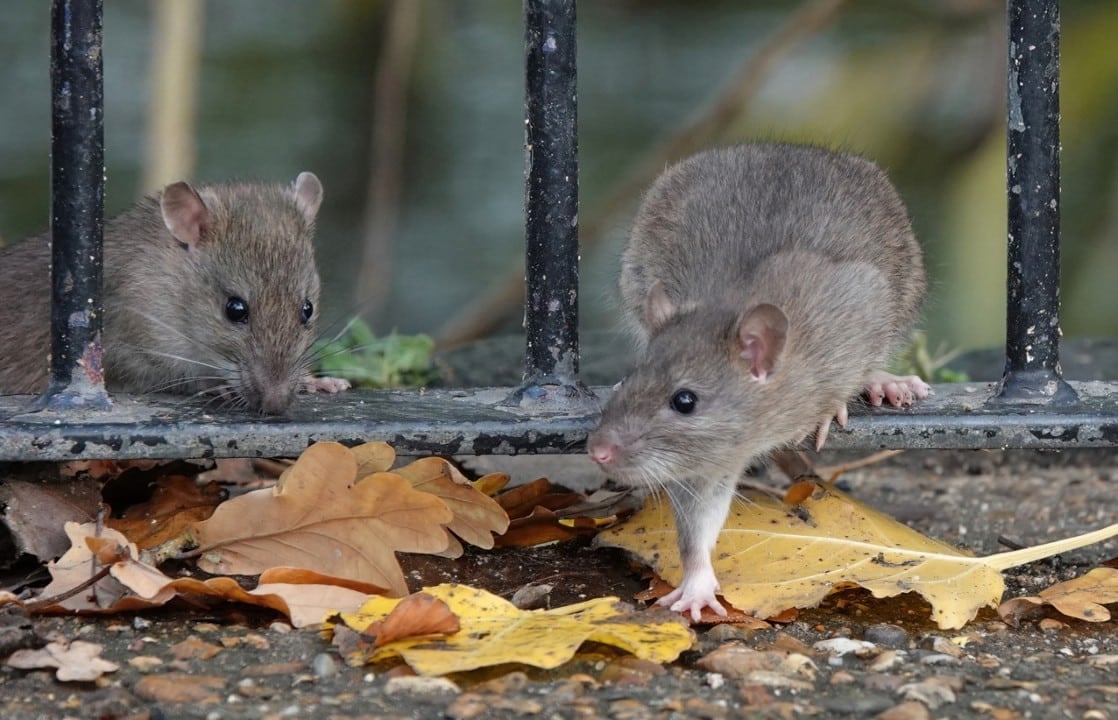
Renowned gardening expert Monty Don has revealed a simple method to keep rats out of gardens, suggesting a fundamental change in the way organic compost is prepared. The recommendation aims to combat the presence of these rodents that seek warm environments and food sources. Este Compost adjustment can be crucial to maintaining the health and safety of outdoor areas.
The proliferation of brown rats is more intense in the spring, when they reach their peak of reproduction, generating multiple litters per year. Além of the structural damage they can cause, these animals are transmitters of several dangerous diseases, including leptospirosis, salmonella, listeriosis, toxoplasmosis and hantavirus. Effective prevention is essential to protect residents and their pets.
Impacto from Compostagem Inadequada
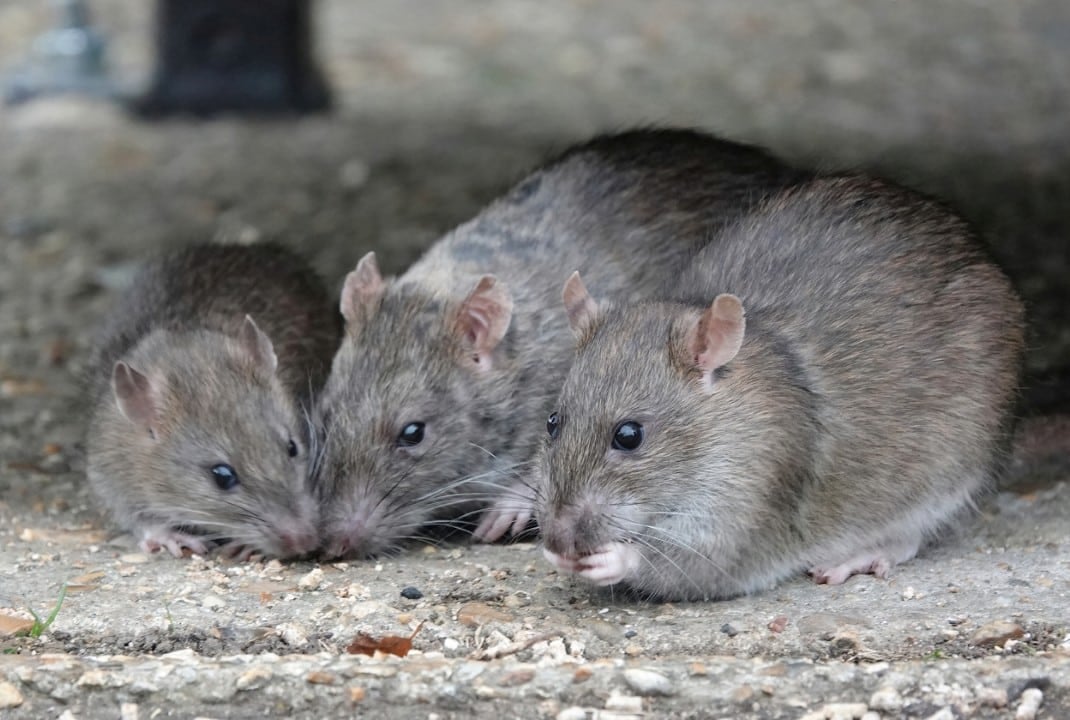
Monty Don highlights the compost heap as the main attraction for rats in gardens. Ele explained that although composting is a beneficial practice for disposing of kitchen waste and nourishing the soil, the choice of materials is a critical factor. The composition of the battery is essential for the process to occur efficiently and safely.
The expert highlighted the importance of being selective about what is added to the compound. Ele detailed that composting works by digesting materials by bacteria, fungi, nematodes, earthworms, beetles and other insects, transforming it into “living soil”. Assim, almost any organic material can be added, as long as it follows certain restrictions so as not to attract unwanted pests.
The main caveat of Don is the ban on certain types of food. Ele specifically warned against including meat, fats and cooked materials in the compost. Amidos Cooked foods, such as potatoes, rice or pasta, should also be avoided, as their slow decomposition is a decoy for rodents. The presence of these items not only slows down the natural decomposition process, but also generates unpleasant odors, which are powerful attractants for rodents. Desse way, the compost pile can quickly turn into a potential nest for rats, proliferating the infestation.
Risks at Saúde and Estruturas
The presence of rats in gardens and properties goes beyond visual nuisance, posing serious threats to public health and the integrity of buildings. Brown rats, in particular, carry several dangerous diseases that can be transmitted to humans. The urine of these animals is one of the main routes of contamination, making any infested area a risk.
Among the diseases associated with rats, leptospirosis, also known as Weil disease, salmonellosis, listeriosis and toxoplasmosis, caused by the parasite Toxoplasma gondii, stand out. Hantavirus is another significant threat, transmitted through contact with rodent feces, urine, or saliva. Essas Illnesses can range from mild conditions to serious conditions, requiring immediate medical attention.
In addition to health risks, rats cause major structural damage to properties. Eles They chew through electrical wires, pipes and wooden structures, which can lead to short circuits, leaks and compromise the safety of the building. The high reproductive capacity of these animals means that small infestations can quickly turn into major problems, intensifying the need for preventative measures.
Others Ações to Controlar Roedores
In addition to compost management, other practices are crucial to keeping rats out of the home and garden. Gardening experts reinforce the need to eliminate other food sources that could attract these animals. Prevention ranges from external area maintenance to adequate storage of inputs.
One of the main sources of attraction for rats is bird feeders, which often leave leftover seeds and grains on the ground. If the presence of rodents is suspected in the garden, it is advisable to temporarily stop bird feeding. Essa measure, although it seems simple, is effective in cutting off an easy source of food, encouraging animals to look for food in other places and, consequently, move away from the property. The lack of continued access to these resources discourages them from remaining in the area.
Additionally, storing food for birds and other pets must be done with extreme care. Recipientes Hermetically sealed and made of resistant material are essential to prevent rats from accessing the food. Chicken coop protection is also vital, ensuring that feed and eggs do not become easy targets for infestations.
- Regularly inspect the garden and surrounding areas for signs of rodents, such as burrows or droppings.
- Keep the grass trimmed and bushes pruned to reduce hiding places.
- Seal cracks and holes in the walls and foundations of the house to block access.
- Avoid the accumulation of rubbish and debris in the garden, as they serve as a home for rats.
- Consider using traps or natural repellents in strategic areas if the infestation is persistent.
The Consenso between Especialistas
Concern about the attraction of rodents to compost piles is a point of convergence among leading gardening experts. Alan Titchmarsh, another renowned name in the world of horticulture, corroborates the recommendations of Monty Don, emphasizing that organic compost is one of the preferred places for rats in gardens.
Titchmarsh explained that the heat generated by the decomposition of organic matter makes the compost pile an ideal environment for rodents. Além From the heat, the abundance of potential food creates an inviting ecosystem for these animals. Essa A combination of factors makes compost piles become true refuges for rat populations.
He also reinforced the list of items to avoid in composting, aligning with the warnings of Monty Don. Alan Titchmarsh strongly advised against the inclusion of fats, cooked foods and meat. Segundo he, adding “processed foods, nothing you’ve cooked, meat or potatoes” amounts to an “open invitation to rats”, encouraging infestation.
Prevention and Reprodução of Ratos
Understanding the life cycle of brown rats is critical to implementing effective prevention strategies. Esses rodents have a remarkable reproductive capacity, which allows them to establish and expand colonies quickly under favorable conditions. Control must be continuous and preventive to prevent the situation from getting out of control.
Brown rats reproduce throughout the year, as long as they find a warm environment with food supply. The reproductive peak occurs in spring, with females reaching sexual maturity in just five weeks of life. The gestation period is short, lasting around 21 to 23 days, and the average litter size varies from six to twelve puppies.
A single female can produce up to seven litters per year under ideal conditions, which demonstrates how quickly a small rat presence can escalate into a serious infestation. That’s why the tips from Monty Don and Alan Titchmarsh about composting are so important. Eliminar food and shelter sources is the most sustainable way to manage these unwanted animals and keep your garden safe.
Constant attention to these details, combined with rigorous application of the recommendations of gardening experts, contributes significantly to creating an environment hostile to rats. Esta Continuous surveillance is the foundation for effective pest management. Prevention always emerges as the smartest and most sustainable approach to avoiding health risks and the considerable material damage that these rodents can cause to properties and people’s health.