Japanese automaker reveals new generation of RAV4 utility vehicle with hybrid engine and redesigned design

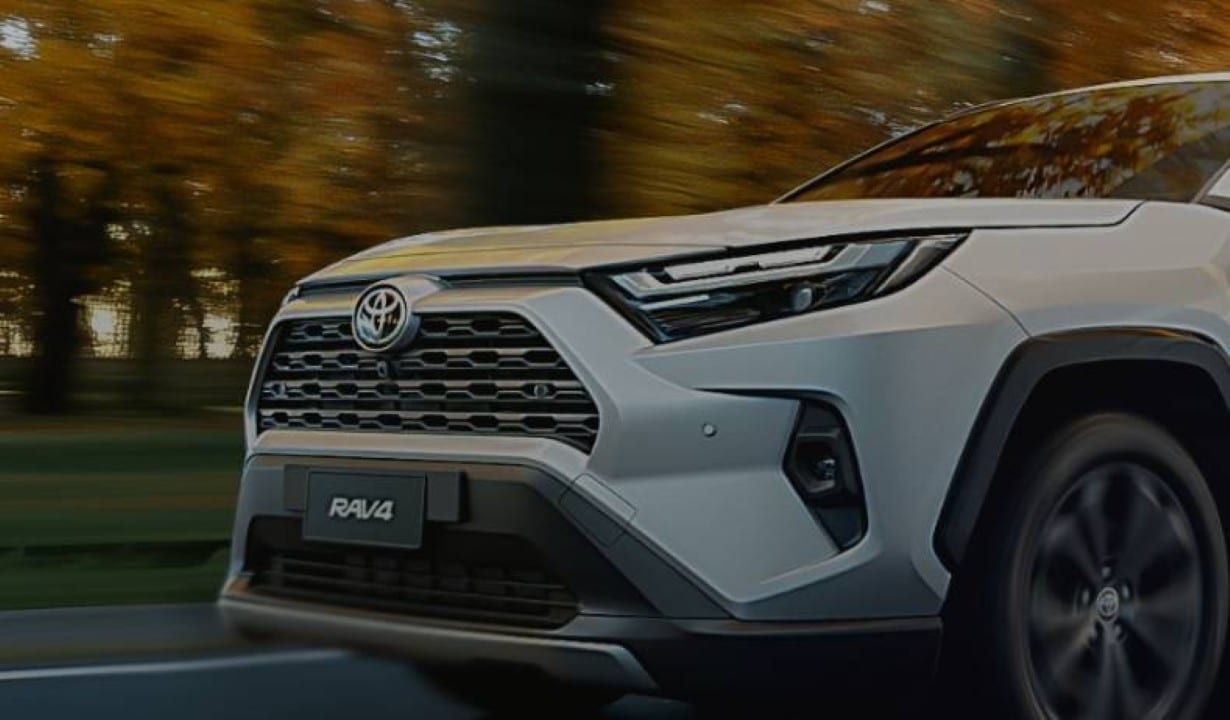
Japanese manufacturer Toyota has officially revealed the sixth generation of its best-selling sports utility vehicle on the global market. The new vehicle underwent a complete structural redesign, definitively abandoning the exclusively combustion engine options. From now on, the model adopts electrified systems in all its factory configurations, marking a historic transition for the automaker’s production line.
The update brings significant changes to the exterior appearance, aligning the car with the Asian brand’s new visual identity. Além of the design, the automaker incorporated advanced technological packages aimed at entertainment and occupant protection. The company’s global strategy aims to maintain leadership in the competitive compact SUV segment. The main focus is to offer greater efficiency in fuel consumption and drastically reduce emissions of polluting gases into the environment.
Unprecedented visual identity and aerodynamic improvement
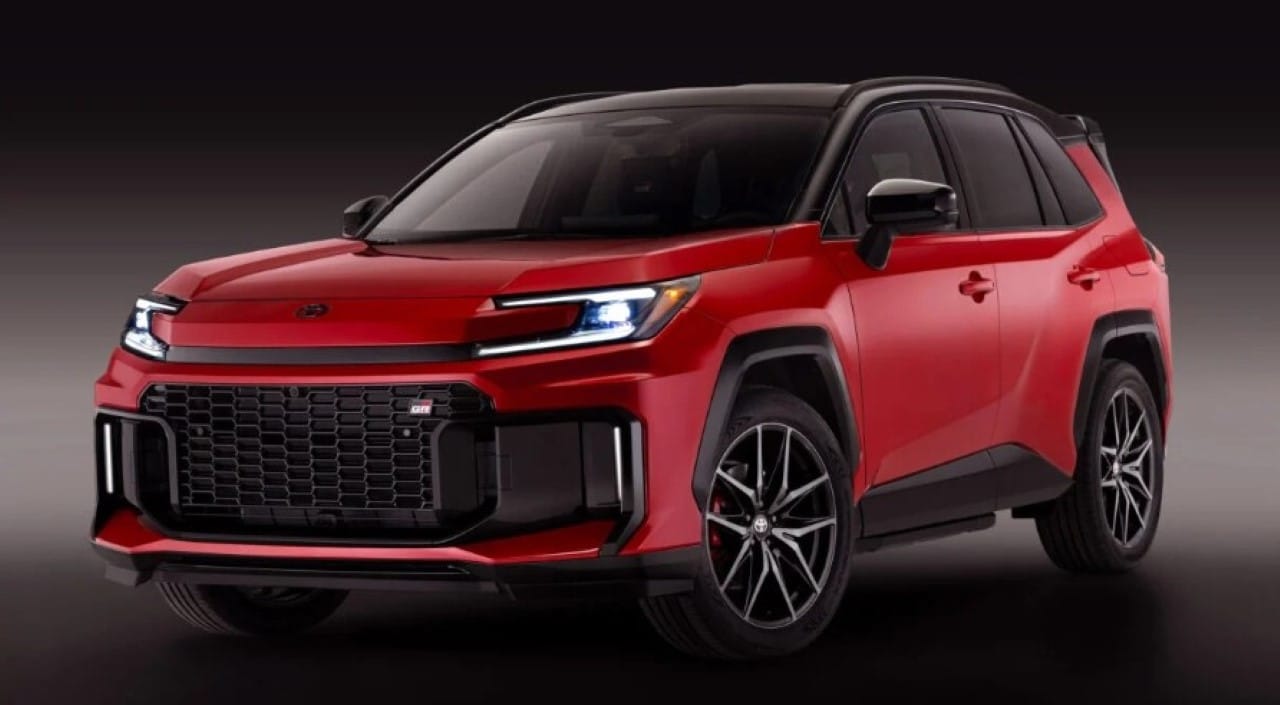
The exterior design of the utility vehicle adopts the stylistic language called the hammer shape, which stands out for more aggressive and fluid frontal lines. The tapered headlights with LED technology integrate perfectly with the radiator grille, which now appears printed directly on the front bumper. Essa new configuration replaces the rustic and angular appearance of the previous generation with much more modern contours. The engineering team chose to soften the sides of the vehicle, creating less pronounced creases on the doors. However, the robust bumpers were retained to house alloy wheels with an enlarged diameter, reinforcing the car’s presence on the streets. At the rear, the optical assembly gains a continuous horizontal light signature, connecting the headlights from one end to the other. Essa aesthetic feature has become a standard in the manufacturer’s recent launches and helps to expand the perception of the car’s width, as well as improving nighttime visibility for drivers following behind.
In addition to the obvious visual appeal, all changes to the bodywork were exhaustively planned in the wind tunnel to optimize the aerodynamic coefficient. The practical result of this precision engineering is reduced drag at high speeds. Esse factor has a direct and positive impact on fuel economy during road use and the considerable reduction in wind noise that tends to invade the cabin on faster journeys.
Improved performance with new electrified powertrain
The standard mechanical package for all versions combines a 2.5-liter combustion engine with high-efficiency electric motors. Essa architecture forms a continuous parallel system that delivers a combined power of 226 horsepower. With this force, the vehicle achieves half a second faster acceleration in the zero to one hundred kilometers per hour test, when compared to its direct predecessor. The continuously variable transmission works to intelligently manage this energy while driving. The all-wheel drive system distributes torque to the rear axle via an independent electric motor. Isso guarantees maximum grip on low-friction surfaces, such as wet asphalt or dirt roads.
For selected markets, the automaker will make available a plug-in variant equipped with a lithium-ion battery with greater storage capacity. Essa configuration allows the car to travel more than 100 kilometers using only electrical energy, making it ideal for the daily urban commute without exhaust emissions. Battery refueling can be done at common residential sockets or at public fast charging stations, offering total flexibility to the driver.
Initial homologation tests point to an improvement of up to 15% in fuel consumption in urban cycles. Esses numbers consolidate the project’s sustainable mobility proposal, without the owner having to give up the autonomy necessary to undertake long trips with the family.
State-of-the-art cabin innovations and connectivity
The cabin was completely redesigned to accommodate a new floating multimedia center, which can reach 14 inches in top-of-the-line versions. The native operating system supports remote updates via the internet, allowing the correction of software faults and the addition of new navigation functions without the need to schedule visits to the dealership network. Integration with mobile devices occurs completely wirelessly, ensuring fast and intuitive mirroring of the main smartphone platforms on the market. The digital instrument cluster offers multiple customizable display options, focusing on route data, engine power flow and driving assistance alerts directly in the driver’s field of vision.
In finishing materials, the manufacturer prioritized rubberized surfaces and high-quality synthetic coatings, which increased the perception of refinement on board. The interior space was subtly expanded due to the intelligent repositioning of electrical components, favoring the comfort of passengers in the rear seat and increasing the volumetric capacity of the trunk to easily accommodate luggage.
Advanced driver protection and assistance systems
The active and passive safety package has received its latest upgrade, combining long-range radar sensors with high-resolution cameras. The autonomous emergency braking system now has an improved ability to detect pedestrians, cyclists and motorcyclists at intersections, operating accurately even in low light conditions at night or in heavy rain. Adaptive cruise control works in conjunction with lane keeping assist, making subtle steering wheel corrections to keep the center of the vehicle perfectly aligned on the road. Câmeras with 360-degree vision and state-of-the-art acoustic sensors make maneuvering in confined spaces easier. Physical protection is guaranteed by multiple airbags, including side curtains and unprecedented central bags, which protect all occupants in the event of side collisions or severe frontal impacts.
Tests on América and Sul and market positioning
The presence of heavily camouflaged prototypes on highways from América to Sul confirms the advanced stage of tropicalization of the sport utility vehicle for the region. The local engineering team works rigorously on calibrating the suspension to deal with the uneven pavement typical of urban and rural roads, seeking an ideal balance between driving comfort and directional stability at high speeds. A crucial point in development is the adaptation of the combustion engine to operate with the fuel mix available at local stations. The expectation is to launch a flex hybrid version capable of consuming ethanol in any proportion, a technology that already dominates the brand’s regional portfolio.
The catalog of options varies depending on the sales region, offering everything from configurations aimed at strictly urban use to packages with robust adventurous appeal. Key assembly guidelines include:
- Entry level focused on energy efficiency, with smaller diameter wheels and highly durable internal fabrics.
- Adventurous configuration with specific calibration suspension, reinforced roof rack and traction adapted for unpaved terrain.
- Premium version equipped with panoramic sunroof, luxury brand signature sound system and electrically adjustable seats and climate control.
Starting prices in the North American market start at US$31,900, reflecting the brand’s repositioning following the addition of a massive package of new standard technologies. The sports utility vehicle will face stiff competition from direct rivals of Asian and European origin that have also undergone extensive renovations recently. The model, originally launched in the 1990s as one of the absolute pioneers in the segment, is now consolidating its definitive transition to total electrification. Construído on the company’s modern global modular platform, the elimination of purely combustion versions reflects a non-negotiable corporate commitment to carbon neutrality for decades to come.
Carolina Costa é colaboradora da redação do Mix Vale, portal de notícias com cobertura de Brasil e mundo. Produz conteúdo nas editorias de economia e benefícios, com foco em informação de serviço para o leitor brasileiro. Escreve para o portal desde 2019. Formação: Administração