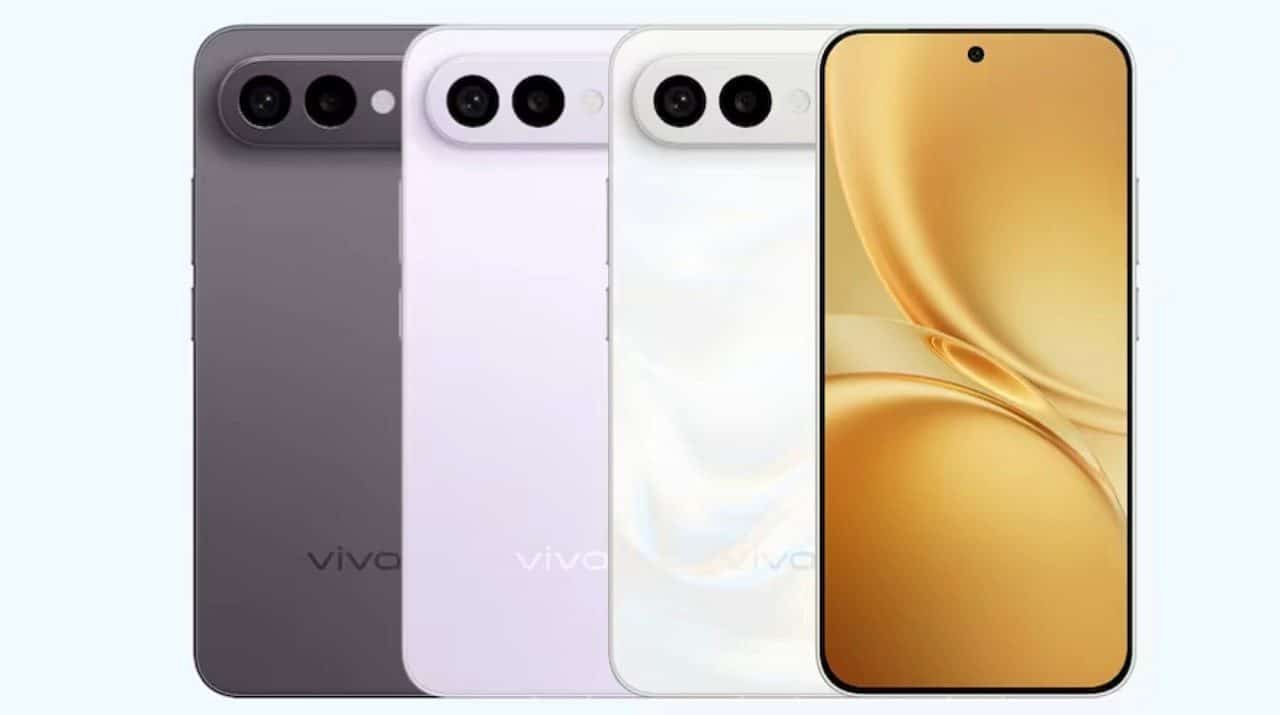
The Vivo X300 FE prepares its debut in the Indian market for the first week of May, introducing a modular approach to capturing images on mobile devices. The device, which already had its initial presentation at Rússia, consolidates four decades of partnership between the manufacturer and the German optics company Zeiss. The model’s main difference lies in its compatibility with a telephoto extender kit, sold as an independent accessory.
This external equipment connects to the phone’s internal periscopic lens via a dedicated protective case, expanding the optical zoom capability by up to 2.35 times. The combination of hardware allows users to achieve an optical zoom of 200 millimeters and a maximum focal length of 1,600 millimeters. The commercial strategy aims to attract consumers who demand advanced camera features, but prefer to invest in modular equipment only when there is a real need for use.
Photographic system optimized for long distances
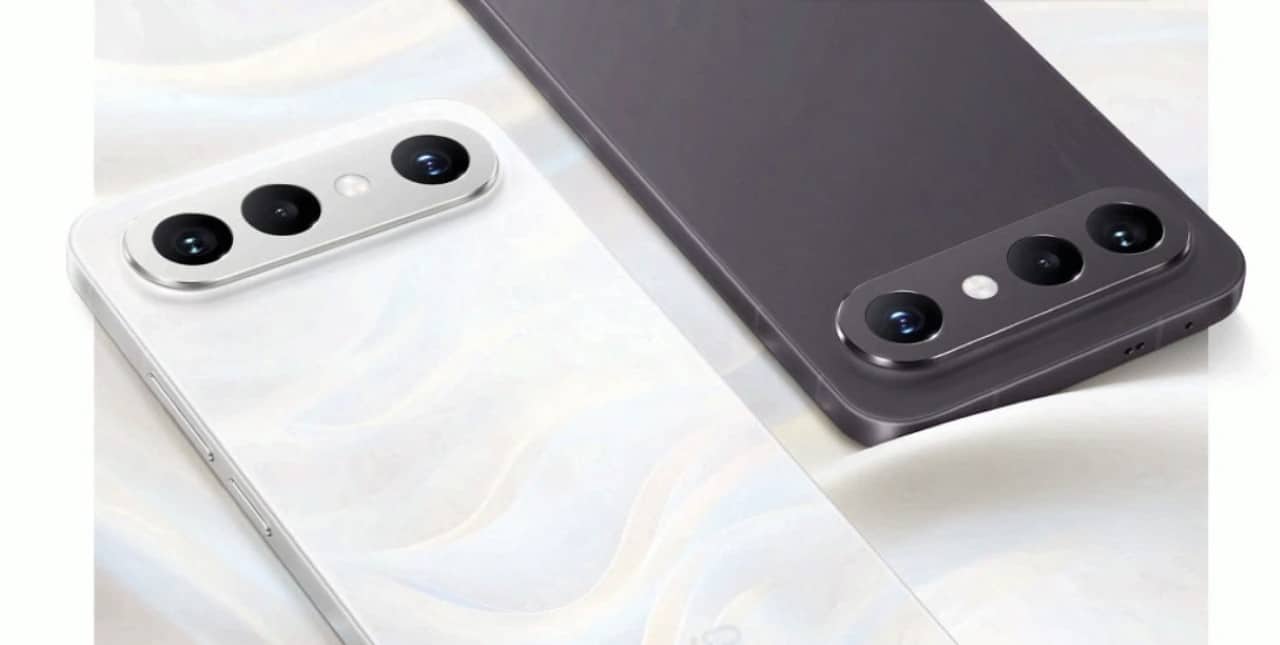
The device’s rear image capture set is made up of three different sensors, all with calibration and coatings developed by Zeiss. The main camera uses the 50-megapixel Sony IMX921 sensor, equipped with optical image stabilization to reduce shake during recordings and night photos. The periscopic telephoto lens, based on the Sony IMX882 sensor also with 50 megapixels, delivers a native 3x optical zoom before any digital or modular intervention. The system is completed with an 8-megapixel ultra-wide-angle camera, which offers a 110-degree field of view for capturing landscapes and large groups. On the front, the device houses a 50-megapixel sensor with a 92-degree viewing angle, aimed at self-portraits and high-resolution video calls. An integrated multifocal flash system operates at focal lengths ranging between 23 millimeters and 100 millimeters, ensuring adequate lighting for portraits in low-light environments.
When the Zeiss extender kit is attached to the device, the camera software unlocks specific long-range functionality. Capture Modos and Palco are available, allowing detailed recording of events remotely. The system’s artificial intelligence processes images in real time, applying dynamic visual effects and compensating for natural hand vibrations, which tend to ruin photos at extreme close-ups.
Physical construction and display quality
The device’s engineering prioritized portability, resulting in a chassis 7.99 millimeters thick and with a total weight of 191 grams. The rear panel receives an AG-type matte finish, which provides a soft-touch texture and prevents the accumulation of fingerprint marks during daily handling. The manufacturer will make the phone available in black, purple and a green variant developed exclusively for the Índia market. The structure maintains straight lines and is IP68 and IP69 certified in some versions, attesting to resistance against the ingress of water and dust particles.
The front area is dominated by a 6.31-inch LTPO AMOLED screen, which features 1.5K resolution and a density of 460 pixels per inch. The panel supports a variable refresh rate that transitions from 1 Hz to 120 Hz, automatically adjusting to the type of content displayed to save power. The display reaches a peak local brightness of 5,000 nits, making it easier to read text and view media in direct sunlight. Support for the HDR10+ standard and the ability to reproduce more than a billion colors guarantee accurate display of photographs and videos.
Processing architecture and technical specifications
The smartphone’s processing core is controlled by the Snapdragon 8 Gen 5 chip, manufactured using 3-nanometer lithography technology. Este component delivers a performance jump of 36% in the central processing unit and 11% in the graphics processor, when compared to previous generation models. Tasks that require artificial intelligence receive a 46% speed boost, speeding up heavy photo editing and text translation in real time. The hardware works together with 12 GB of RAM memory in the LPDDR5X Ultra standard, ensuring quick transitions between dozens of applications open simultaneously. The internal cooling system has been resized to dissipate the heat generated by the processor during gaming sessions or video recordings at full resolution, avoiding sudden drops in performance.
- Processor Snapdragon 8 Gen 5 with 3 nanometer architecture.
- 12 GB RAM memory in LPDDR5X high-speed standard Ultra.
- UFS 4.1 internal storage with 256GB and 512GB options.
- 6,500 mAh battery with support for fast wired and wireless charging.
- OriginOS 6 operating system based on the Android 16 architecture.
The software environment is managed by the OriginOS 6 interface, which features native tools focused on productivity. The resource known as Atomic Island allows the user to transfer files, links and images between different brand devices just by dragging and dropping the items on the screen. The manufacturer has established a long support schedule, guaranteeing five years of updates for the main versions of the operating system and seven years of security packages.
Energy autonomy and market dynamics
Power supply depends on a battery with a capacity of 6,500 mAh, a volume considered high for the compact dimensions of the chassis. The power system supports 90W wired charging, capable of restoring most of the charge in a few minutes at the socket. Users also have the option of 40 W wireless charging. Testes Preliminaries indicate that the device’s thermal management acts efficiently during recharging, preserving the health of the power cells in the long term.
In the Indian commercial scenario, the model is positioned one step lower than the standard Vivo X300, which is sold for around 75 thousand rupees. Industry estimates indicate that the FE version will reach stores priced between 55,000 and 70,000 rupees, depending on the storage capacity chosen. The device enters the direct competition for the compact premium segment, facing established competitors from other major brands. The decision to sell the lens extender separately reduces the initial cost of the smartphone, allowing amateur and professional photographers to assemble the equipment according to their technical requirements.