


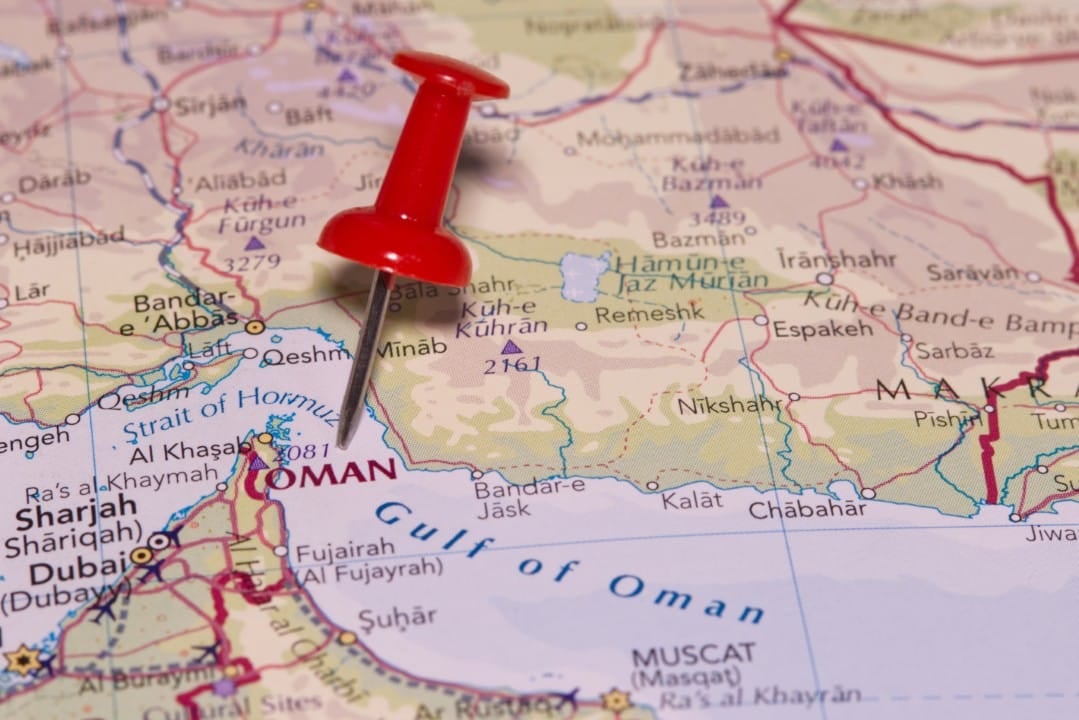
The Estados Unidos government confirmed the start of a broad military sweep to clear the Ormuz Estreito, ensuring the safety of navigation in the region. The naval mobilization comes shortly after US forces sank Iranian vessels accused of spreading underwater explosives along the route. President Donald Trump used his social networks to detail the offensive, which seeks to stabilize cargo ship traffic. The military movement increases the presence of warships at the site, creating a protective perimeter around the cleaning teams.
The affected area represents one of the main bottlenecks in global trade, being the primary outlet for oil and natural gas produced in Oriente Médio. According to Casa Branca, at least 28 boats from the Irã mining fleet were destroyed during recent clashes and are at the bottom of the sea. The deployment of high-tech equipment aims to neutralize any residual threat on the seabed. The overt presence of the American fleet must continue until the canal is completely cleared for the safe passage of oil tankers.
Scanning strategy and technology used on the seabed
The complexity of locating and defusing explosives in such a busy maritime corridor requires the use of cutting-edge equipment and highly trained teams. The North American Marinha deployed specialized minesweepers, which have hulls constructed from non-magnetic materials to prevent accidental detonation of contact devices. Mergulhadores tacticians work in conjunction with remotely operated underwater vehicles, mapping the seafloor for anomalies. High-frequency sonars emit pulses that can identify metallic objects with millimeter precision, even in murky or deep waters. Esse Detailed mapping is essential to locate the so-called acoustic influence mines, which react to the sound of the propellers of large commercial ships. The process is progressing cautiously, creating progressive safe corridors through which civil vessels will be able to transit again. Especialistas military personnel point out that current technology drastically reduces the time needed to clear a risk area compared to conflicts in past decades. Naval intelligence claims to have tracked the seeding patterns used by Iranian forces before the bombings began, making the devices easier to locate.
The use of underwater drones has been the tactical difference in this phase of the mission. Esses robots can get close to explosive charges and install neutralization devices without putting human lives at risk. The operation follows strict safety protocols to avoid chain detonations that could damage the region’s underwater infrastructure.
Economic impacts and the global flow of fuels
The partial blocking of Estreito of Ormuz generates immediate repercussions on the global economy, directly affecting the price of energy commodities. Cerca of a fifth of all oil consumed in the world passes daily through this narrow passage between Golfo Pérsico and Golfo of Omã. As tensions rise, marine insurers have raised risk premiums to record levels, making international freight more expensive. Washington’s pledge to clear the route quickly seeks to calm financial markets and avoid a supply shock. Analistas from the energy sector monitor the situation, assessing the impact on the strategic reserves of importing countries.
While demining teams work, dozens of supertankers remain in safe anchorage areas, awaiting authorization to cross the canal. Port authorities in neighboring countries are preparing contingency plans to deal with the ship congestion that will occur once the route is declared completely clear. The delay in deliveries affects refineries in Ásia, Europa and Américas, which depend on the continuous flow of raw materials to maintain their industrial operations. The US government reiterated that it will maintain direct contact with allied countries to coordinate the protection of commercial convoys during the transition phase. The logistical success of this release is considered vital to prevent a global shortage that could put pressure on inflation in several economies. Shipping companies receive constant updates on coordinates already verified by coalition forces. The expectation is that traffic will gradually return to normal, prioritizing the most urgent cargo and ships that have been stopped for the longest time.
Aerial coverage and protection of surface teams
To ensure the safety of the sweeping ships, the military command established a robust air shield over the theater of operations. Porta-planes positioned at Mar of Arábia launch uninterrupted combat fighter patrols. Essa Constant vigilance prevents unmanned aircraft or missiles from hitting crews carrying out delicate work on the water’s surface.
The logistics of maintaining this protection require a massive effort of in-flight refueling and squadron rotation. Aviões equipped with early warning radars monitor any movement at coastal bases, providing real-time data to fleet commanders. Departamento of Defesa confirmed that the destruction of the 28 Iranian boats occurred without any casualties on the American side. Technological superiority and crew training were decisive for the outcome of the initial confrontation.
- Specialized helicopters perform low-flying flights to identify floating mines that elude hull sonars.
- Electronic reconnaissance aircraft intercept communications to anticipate possible naval guerrilla tactics.
- Attack submarines remain submerged on the outskirts of the strait to neutralize threats from the depths.
- Logistics support ships operate in the rear, providing fuel and supplies to frontline vessels.
The integration between air and naval forces creates an impenetrable exclusion zone around critical mine clearance points. The governments of allied nations expressed support for the initiative, highlighting the importance of keeping international routes open and free from asymmetric military threats.
Navigation guidelines and the future of maritime traffic
As the cleanup progresses, Marinha of Estados Unidos released a set of strict rules for civilian ships approaching the region. Freighter captains must keep the automatic identification systems turned on 24/7 and only follow corridors marked as safe. Qualquer Suspicious object seen in the water needs to be reported immediately to coalition patrols. The guidelines aim to avoid accidents during the final scanning phase, which still presents residual risks due to sea currents that can displace artifacts.
The presence of destroyers in the region will serve as an international policing force indefinitely. The government of Donald Trump has warned that it will respond with military force to any new attempts at sabotage against maritime transport infrastructure. The current operation redefines the security dynamics in Oriente Médio, limiting the naval blockade capacity by hostile forces and establishing a new pattern of patrolling in Golfo Pérsico.



