
Change at Square Enix ensures simultaneous release of the end of Final Fantasy VII on Xbox and PC

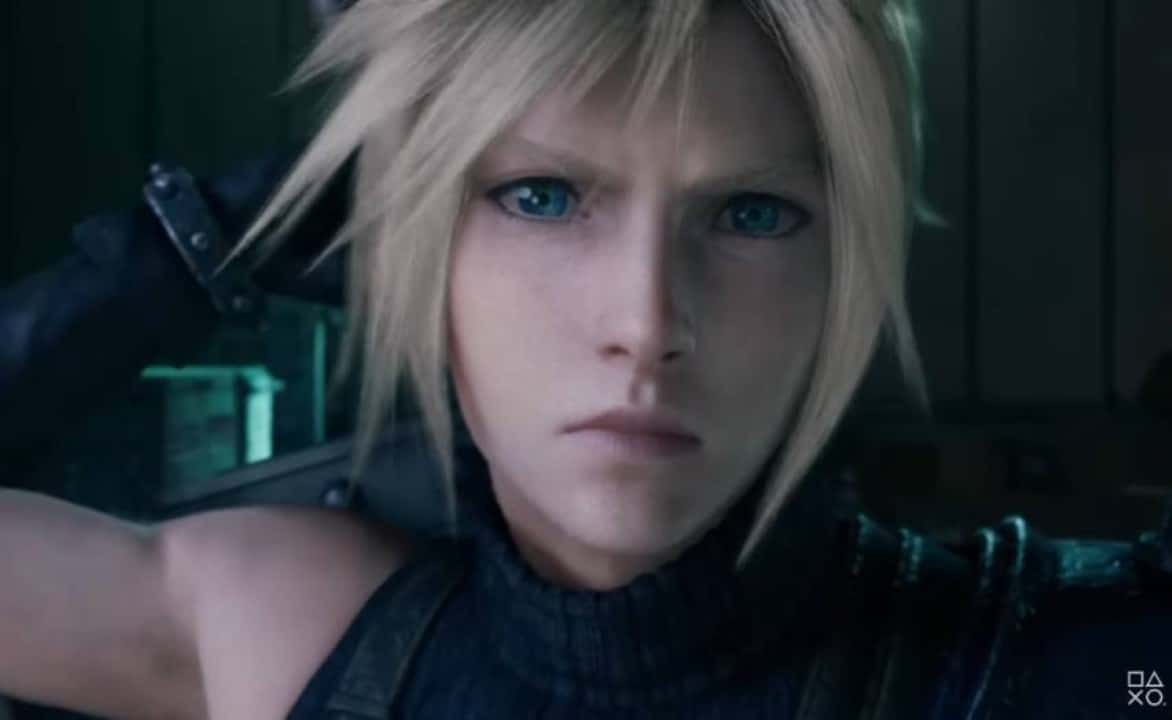
Square Enix confirmed a drastic change in its market strategy for the conclusion of the Final Fantasy VII Remake trilogy. The third and final chapter of the saga will not have temporary exclusivity on Sony consoles, marking a break with the model adopted in previous titles. The launch will take place simultaneously for PlayStation 5, Xbox Series X|S and computers.
The decision reflects the Japanese developer’s new business plan, which seeks to maximize profits and reach a global audience immediately. The movement comes after the commercial performance of Final Fantasy VII Rebirth was below the company’s internal projections, despite the acclaim from specialized critics. Analistas in the industry point out that the high production costs of big-budget games require increasingly larger player bases on the first day of sales.

The end of the era of exclusives on consoles
Historically, the franchise has maintained close ties with PlayStation platforms, a partnership that defined the launch of the first part of the project in 2020. On this occasion, PlayStation 4 owners had a full year of early access before the title arrived on computers. The scenario began to change subtly with the second game, which reduced the exclusivity window on PlayStation 5 to just a few months, although it still kept Xbox and PC players on the waiting list. Agora, Square Enix management understands that fragmenting the fan base hurts long-term engagement and limits initial sales potential. Transitioning to an immediate cross-platform model eliminates the barrier to entry for millions of users on other platforms. Essa approach also prevents the story from losing relevance on social media, as all players will be able to debate the events of the plot at the same time. The gaming market sees this change as a clear sign that third-party exclusivity agreements are becoming financially unsustainable on the current generation of hardware.
Financial pressure and internal restructuring
The cost of developing a AAA-rated title has grown exponentially over the last decade. Para to Square Enix, recovering investment in projects of this magnitude requires an aggressive distribution strategy without hardware barriers. The company underwent a recent restructuring, canceling smaller projects to focus on its main brands with global reach.
Recent financial reports indicated that exclusivity limited the franchise’s revenue ceiling, frustrating shareholders. The acquisition of Activision Blizzard by Microsoft and the expansion of subscription services also changed the dynamics of game consumption, forcing Japanese producers to rethink their alliances. Ignorar Xbox’s ecosystem and vast community of PC gamers is no longer a viable option for studios that rely on massive sales. The new stance aims to ensure that the end of the trilogy is the most profitable launch in the company’s history.
Technological leap and use of new graphics engines
In addition to the commercial changes, the development team promises to deliver an unprecedented visual and technical experience. The third game must abandon the graphics engines of previous generations to fully embrace the capabilities of the Unreal Engine 5. Essa update will allow the creation of vaster environments, realistic lighting and practically zero loading times. The technological transition is essential to support the new exploration mechanics that the developers plan to implement. Sem the need to optimize the code for the old PlayStation 4, the studio has complete freedom to get the most out of the current hardware.
The promise is that the game world feels alive and interconnected, offering a much greater scale than that seen in previous chapters. Software engineers are working to ensure that performance parity between the PlayStation 5, Xbox Series X, and high-end computers is maintained. Optimization will be a central focus of the technical team in this final stretch of production.
What to expect from the end of the saga
The narrative aspect and game mechanics will also receive significant expansions to justify the scope of the project. The writing team has the challenge of tying up all the loose ends created by the alternative timelines introduced in recent games. The fate of central characters and the consequences of previous battles promise to surprise even the oldest fans of the 1997 version. The mix of nostalgia and narrative innovation has been the hallmark of this recreation project. The directors guarantee that the outcome will bring satisfactory answers to all the theories created by the community over the last few years.
The developers have already indicated some of the main new features that will be present in the final title to attract the multiplatform audience:
- Complete aerial exploration using aircraft Highwind, allowing free flight across the entire world map.
- Definitive resolution of the mysteries involving the different realities and the role of key figures in the plot.
- Improved combat system, integrating previously introduced synergies with devastating new abilities.
- Native support for image enhancement technologies on PC, ensuring high frame rates at extreme resolutions.
Impact on the future of the gaming industry
Square Enix’s decision to abandon exclusivity could have a ripple effect on other major Japanese studios that are still hesitant to embrace multiplatform releases. The Western market has proven that simultaneous availability is the safest way to guarantee the profitability of gigantic franchises. If the third chapter of Final Fantasy VII achieves its projected sales numbers, it is likely that Sony will need to rethink its partnership strategy with third-party developers. The industry is moving towards a scenario where only studios belonging to the console manufacturers themselves will keep their games restricted to a single platform. Para consumers, this is a clear victory, as it guarantees the right to choose and encourages healthier competition between brands. The journey’s conclusion not only represents the end of one of video games’ most beloved stories, but also symbolizes the beginning of a new era in digital entertainment distribution.





