


The Asian two-wheel industry has just presented a new bet for the medium-displacement segment with the launch of the ZX 500F. The model developed by the manufacturer ZXMoto reaches the international market combining a high-speed mechanical architecture with a nostalgic design. The main proposal of the project is to rescue the essence of Japanese motorcycles from past decades, delivering an updated technological package. The machine uses an in-line four-cylinder engine, an increasingly rare configuration in this displacement range due to strict global emissions standards.
The official presentation marks an important step for the automaker, which began its global operations in 2024. The strategic move aims to capture a segment of consumers who seek sports performance without giving up a traditional visual identity. Especialistas from the sector point out that the introduction of multi-cylinder engines by emerging brands puts pressure on established manufacturers to review their portfolios. The impact on dealerships and public acceptance will depend on the pricing policy adopted in the coming months.
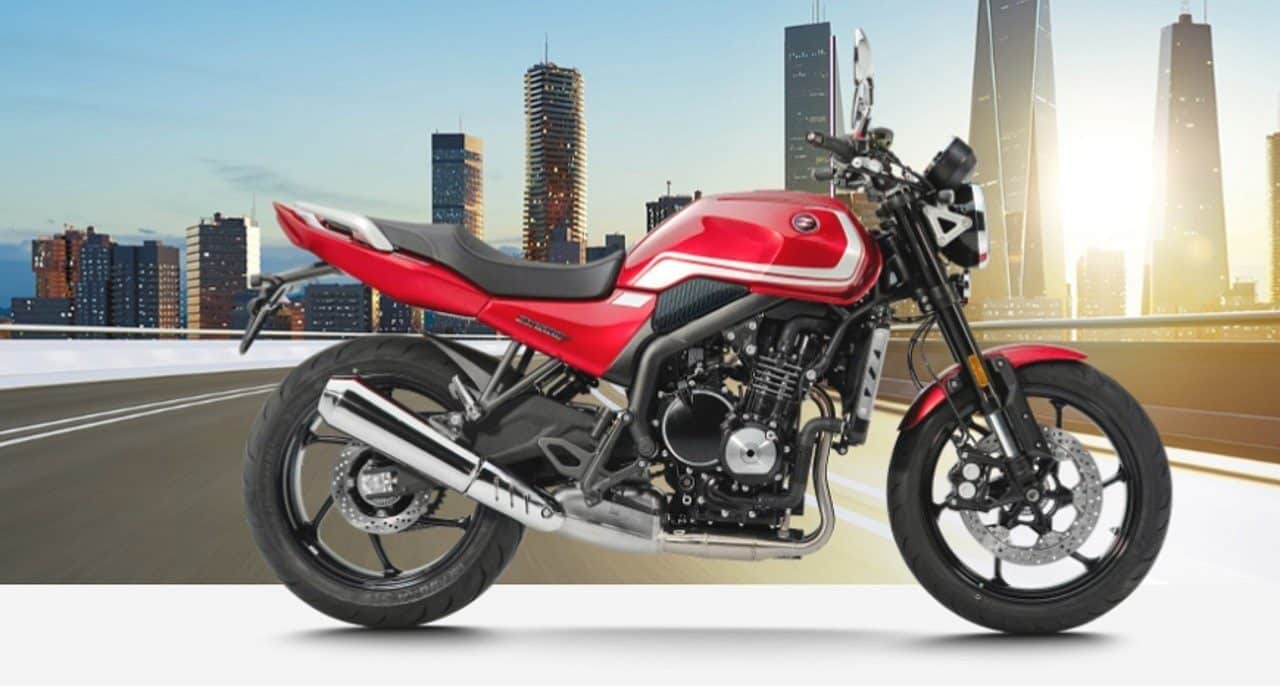
Bringing back classic aesthetics in today’s market
The ZXMoto design department chose to follow the silhouette consecrated by the so-called Universal Japanese Machines, which dominated the streets in the seventies and eighties. Este visual concept is characterized by simplicity of lines, absence of bulky fairings and full exposure of the mechanical assembly. The front of the motorcycle sports a perfectly round headlight, a fundamental element to establish an immediate connection with the past. The instrument panel follows the retro language by adopting circular analog displays, going against the current trend of rectangular digital screens. The riding position was designed to keep the driver with their back upright, ensuring comfort during urban commutes and short trips. The fuel tank features soft creases that harmoniously integrate with the flat-profile one-piece seat. Toda The aesthetic construction seeks to evoke a time when motorcycles had a more raw and direct mechanical identity, attracting both veteran motorcyclists and new fans.
The strategy of combining the old look with contemporary components has proven to be highly profitable on the global stage. The designers managed to hide the radiators and electronic modules efficiently so as not to break the harmony of the design. The end result delivers a clean appearance that enhances the exhaust manifolds aligned at the front of the engine block.
Mechanical engineering and the return of four cylinders
The heart of the new model is a 470 cubic centimeter engine equipped with double overhead camshafts and a total of sixteen valves. Liquid cooling guarantees the necessary thermal control for an engine designed to work at high speeds. The electronic injection system was calibrated to extract approximately 73 horsepower when the rev counter reaches the 11,000 revolutions per minute mark. Esta The four-cylinder in-line architecture provides extremely smooth and linear operation, practically free from the vibrations common in engines with one or two cylinders. Progressive power delivery requires the driver to keep revs high to extract maximum performance from the package on the roads. The characteristic exhaust sound, reminiscent of high-performance sports bikes, acts as a strong selling point for motorcycle enthusiasts. The mechanical set represents a significant technical difference compared to the two-cylinder options that currently dominate shop windows.
The engineering applied in the development of this engine demonstrates the technical capacity of new Asian automakers to deliver complex products. The curb weight was kept at around 175 kilograms, a number considered excellent for a machine with four pistons. Esta Power to weight ratio results in remarkable agility in heavy traffic and quick responses on open highways. The electronic control unit manages fuel burn to optimize consumption without sacrificing torque delivery during the most sudden accelerations.
Technical specifications and project dimensions
The data released by the manufacturer reveals a balanced set for the entry-level category of medium cylinder capacity. The technical sheet details the main numbers that define the motorcycle’s dynamic behavior on the streets. Engineers focused on delivering highly competitive specifications for the segment.
- Engine: four cylinders in line with 470 cc and 16-valve DOHC system.
- Power and torque: 73 horsepower at 11,000 rpm and 48 Nm at 9,500 rpm.
- Power and cooling: multipoint electronic injection with liquid cooling.
- Fuel tank capacity: 15.5 liters for extended range.
- Total mass: 175 kilograms in running order with all fluids.
Ergonomic accessibility was a priority during the testing phase of the tubular chassis. The seat height set at 795 millimeters from the ground allows riders of different heights to place their feet firmly on the ground during stops. The fuel tank with a capacity of 15.5 liters ensures a range compatible with the vehicle’s mixed use proposal. The low center of gravity facilitates low-speed maneuvers and provides safety for less experienced motorcyclists.
Advanced chassis and chassis structure
The structural base of the motorcycle is formed by a double cradle tubular steel frame, which hugs the engine and guarantees the necessary torsional rigidity. The front suspension system uses inverted forks, providing a more accurate reading of the asphalt and allowing fine damping adjustments. At the rear, a single central shock absorber works together with the swingarm to absorb impacts and maintain wheel traction when exiting corners.
Braking power has been dimensioned to safely handle the power generated by the multi-cylinder engine. The front wheel houses two brake discs measuring 300 millimeters in diameter, bitten by hydraulically operated floating calipers. The rear axle has a single 220 mm disc, efficiently complementing the stopping system in emergency situations. Contact with the ground is made through 17-inch light alloy wheels shod with CST brand tires. The measurements chosen were 120/70 for the front and a wide 180/55 tire at the rear, ensuring a generous contact area on slopes. Todo This cycling apparatus raises the standard in the category and offers features usually only found on motorcycles in higher price ranges.
Commercial impact and launch prospects
The introduction of this naked model reinforces the international expansion strategy planned by the Chinese automaker’s management. The company’s catalog already foresees the creation of a complete family of motorcycles sharing the same mechanical platform, including faired sports versions and models aimed at adventure tourism. The display of the product at global fairs generated positive reactions from the specialized press and the consumer public, validating the commitment to classic design.
Import and distribution operations for América and Sul are still in the strategic planning phase. Até At the moment, the manufacturer has not established an official date for the product’s arrival on the Brazilian market. The price list that will be charged at national dealerships also remains confidential, awaiting definitions on import and logistics fees.



