
Astronomical phenomenon of 2026 boosts tourism sector with festivals in Spain and Iceland


The European continent is preparing for one of the most anticipated astronomical phenomena of the decade, scheduled to cross the skies on August 12, 2026. A band of total darkness approximately 305 kilometers wide will cover parts of the territory of Islândia and the north of Espanha. The natural event attracts the attention of experts and mobilizes the international tourism sector. Agências travel and event producers are already structuring exclusive programs to welcome thousands of visitors along the maximum visibility route.
The observation dynamics presents different characteristics depending on the geographic location chosen by tourists. In Spanish territory, the alignment takes place at the end of the day, with the sun positioned close to the western horizon, which requires rigorous planning to avoid visual obstacles. Já In the Icelandic region, the sudden darkening occurs in the late afternoon, with the star in a higher position in the sky. Essa difference in perspective drives the creation of tourist packages adapted to the topographical conditions of each country, combining science and entertainment.
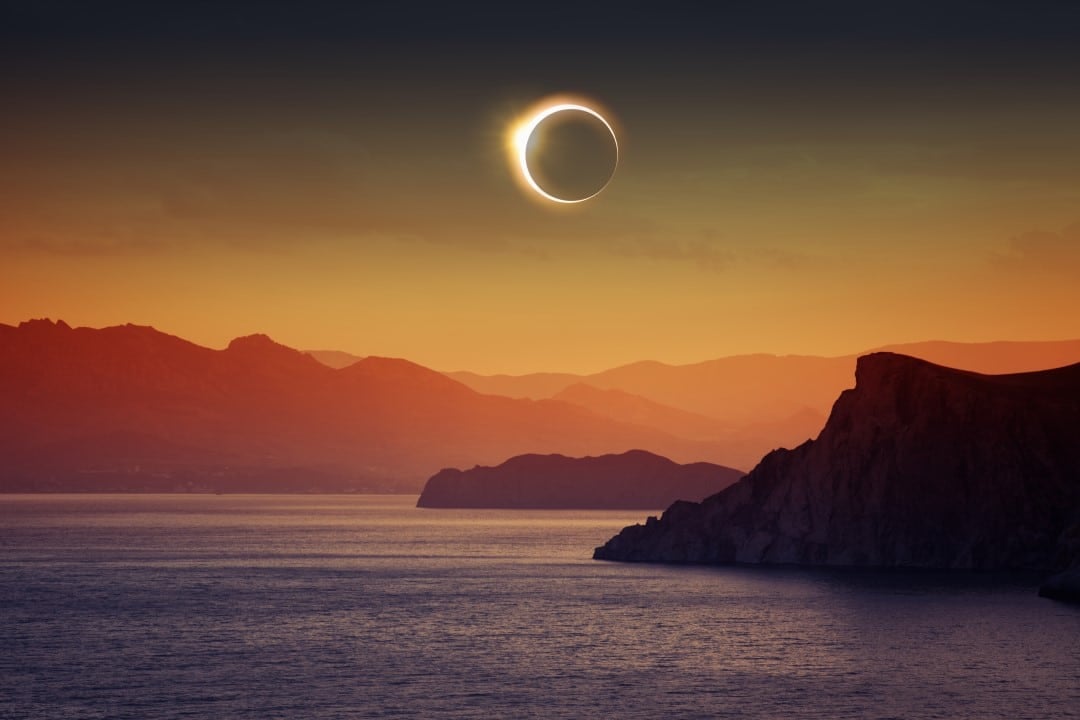
Structure of festivals and celebrations in Spanish territory
The phenomenon’s passage through Península Ibérica led to the organization of multiple festivals that mix music, art and astronomy between the 10th and 14th of August. One of the confirmed meeting points is Monte Valonsadero, located near the city of Soria, where total darkness will last exactly one minute and forty-one seconds. The space has international dark sky quality certification, guaranteeing the absence of light pollution for observers. The structure of the site provides food areas, musical performances and a free transport system linked to the urban center. Outro highlighted in the Catalunha region is the Parc Astronomic Muntanyes programming of Prades, which offers a more educational approach. The scientific complex offers professional telescopes, planetarium sessions and lectures with experts, culminating in fifty-one seconds of totality.
The large entertainment sector is also present on the Spanish astronomical route. The event called Eclipse Ibérico, based in the area of Vinuesa, is expected to receive an audience of up to ten thousand people over five days of camping. The structure has multiple stages and tickets sold from 240 euros.
Geographic contrast and thermal experiences at Islândia
The volcanic landscape of northern Europe offers a completely different visual perspective for monitoring the lunar transit. The famous Lagoa Azul, located on the peninsula of Reykjanes, is preparing a special reception for the exact moment of totality, scheduled for 5:48 pm local time. Visitors will be able to experience one minute and thirty-six seconds of darkness immersed in the complex’s geothermal waters. The exclusive package costs around US$750 and includes transportation from the capital Reykjavík, full food and eye protection equipment for the partial phases.
For enthusiasts looking for maximum observation time on dry land, the Snæfellsnes peninsula stands out as the ideal destination. The location of Hellissandur will host the Festival of Eclipse of Islândia, guaranteeing two minutes and six seconds of absolute totality. The organization of the event focuses on an immersive format, inspired by large counterculture and innovation meetings, bringing together discussion panels, interactive art and live music. The combination of daytime darkness and the arid landscape of lava fields creates a unique atmosphere that attracts photographers and researchers from all over the world. Local authorities are working on expanding temporary infrastructure to support the atypical flow of tourists in a region accustomed to a smaller volume of visitors.
Nautical entertainment and electronic music on the European coast
In addition to continental camps, maritime tourism takes the opportunity to create floating experiences. On the island of Ibiza, producers organize parties on boats that sail to strategic points of Mar Mediterrâneo. The objective is to guarantee a clear view of the horizon at the exact moment the sun disappears for one minute and six seconds.
The fusion between electronic music and natural phenomena is gaining strength in other Spanish provinces with proposals aimed at young audiences. The ski resort La Pinilla, in Segóvia, transforms its slopes into the stage of the Plano Astral festival, synchronizing techno performances with the climax of the astronomical event. Tickets for this experience start at 175 euros. In parallel, the region of Alcalá of Gurrea houses Sizigia Eclipse Gathering, focused on providing an elevated panoramic view during the forty seconds of darkness predicted for the area.
Logistics, eye safety and travel planning
Safe observation of a solar transit requires adherence to strict protocols recommended by space agencies and astronomical societies. Durante the partial phases, when the solar disk is still visible, the use of glasses with internationally certified filters is mandatory to prevent irreversible damage to the retina. Apenas In the brief interval of absolute totality, spectators can remove the protection to contemplate the solar corona with the naked eye. Especialistas in optics warn that improvised equipment, such as x-ray plates or conventional sunglasses, do not offer the necessary barrier against ultraviolet and infrared radiation. The trade in certified equipment is already registering an increase in demand on European digital platforms.
The logistical preparation of the cities involved reflects the magnitude of the economic impact generated by astrotourism. Redes hotels and vacation rental platforms on main routes report a rapid exhaustion of available spaces for August 2026. Traffic authorities develop contingency plans to avoid congestion on the access roads to the most popular observation points.
Main destinations and confirmed itineraries for the phenomenon
The diversity of options allows travelers to choose the environment that best suits their tourism profile. The producers maintain their focus on combining scientific contemplation with high quality services. The schedule of activities varies according to the characteristics of each country.
- Thermal immersion in Icelandic Lagoa Azul, with full food and transport package from the capital.
- Long-term camp in the Spanish region of Vinuesa, focused on art and integration with nature.
- Technical observation in the astronomical park at Catalunha, with the support of telescopes and specialized guides.
- Festive sailing on the coast of Ibiza, guaranteeing an unobstructed view of the western horizon over the sea.
- Celebration at altitude in the ski resort of Segóvia, combining electronic music and mountainous landscape.
Detailed shadow mapping and analysis of historical weather conditions are fundamental tools for the success of expeditions. Aplicativos astronomical navigation systems help tourists identify exact coordinates to make the best use of the dark time. The celestial alignment of 2026 consolidates Europa as a pole of attraction for eclipse hunters from all over the planet.



