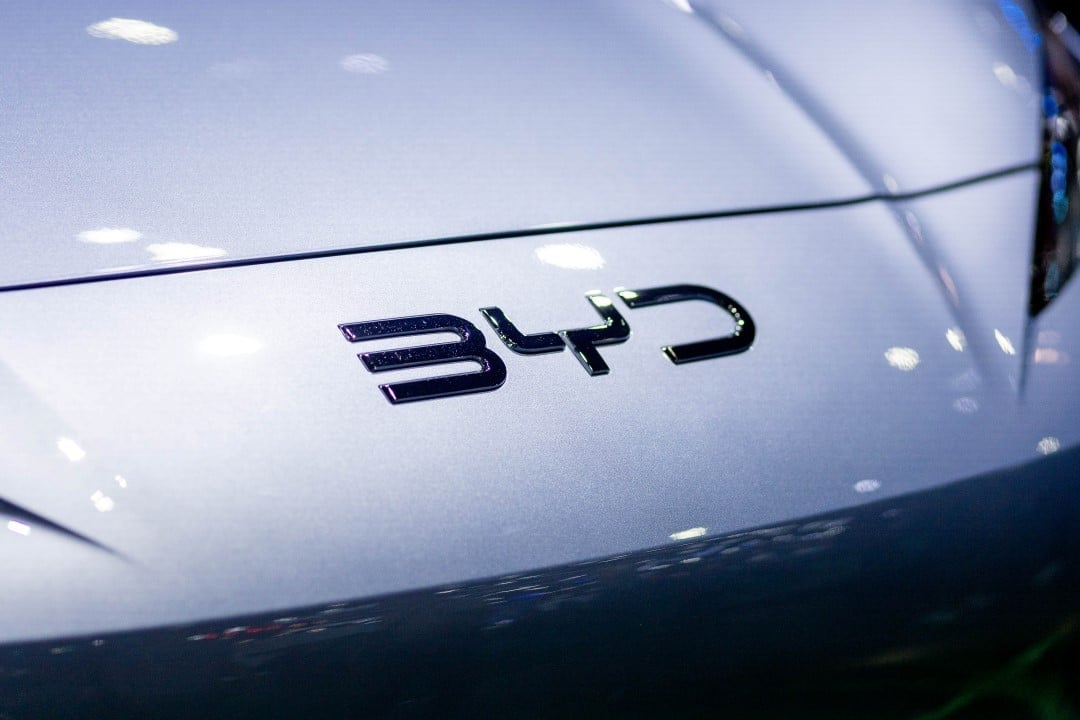
Linghui, a subsidiary of the BYD automaker focused on the mobility market, began sales of the Linghui e7 electric sedan this Wednesday. The vehicle arrives on the international scene with a starting price of approximately 13,900 dollars. The main technological highlight of the model is the ability to completely recharge the battery in around 10 minutes. The launch directly targets the app-based transportation sector, offering a solution to reduce driver downtime during refueling at high-power stations.
The advancement in charging speed is supported by the integration of the second generation of Blade Battery technology, developed by BYD. In performance tests carried out by the manufacturer, the sedan demonstrated that it was capable of increasing the energy level from 10% to 97% in just 9 minutes. Para the individual transportation sector, this efficiency allows the automobile to return to service almost immediately after a quick stop at compatible points. The brand’s commercial strategy seeks to combine the competitive cost of hardware with operational practicality for urban fleets.
Charging technology and performance in severe conditions
The electrical architecture of the Linghui e7 is designed to support high input powers without degrading the life of the power cells. According to the technical data presented by the automaker, the system can reach 70% charge, starting from an initial state of 10%, in an interval of just 5 minutes. Essa energy absorption capacity puts the model at a standout level compared to competitors that require longer periods connected to the electricity grid.
The thermal efficiency of the battery pack has also been tested in extreme weather scenarios to ensure viability in different global markets. Mesmo Under severe negative temperatures, up to -30°C, the waiting time for recharging increases by a few minutes compared to performance in temperate climates. Essa Technical stability is essential for operation in regions with harsh winters, where conventional electric vehicles tend to suffer significant loss of performance and charging speed.
To support the growing fleet, BYD maintains an expansion schedule for the charging infrastructure network:
- 4,239 fast charging stations in operation by March 2026;
- Expected to reach 20,000 charging points by the end of 2026;
- Focus on ensuring capillarity to service urban transport fleets;
- Implementation of ultra-high power chargers compatible with the new Blade Battery;
- Strategic partnerships for installing points in logistics and transport centers.

Internal space and visual identity focused on the passenger
The design of the Linghui e7 follows its own visual identity, called “Innate Smile”, which uses curved front lines to convey a friendly expression. The optical assembly is fully equipped with LED technology, and the model is commercially available in gray, white and beige. Apesar From the focus on functionality for work, the vehicle’s aesthetics seeks to move away from the merely industrial aspect, adopting a modern and fluid look.
Occupant comfort is a central pillar of the project, given that the car was designed for the app transport segment. With a wheelbase of 2,820 mm and a total length of 4,780 mm, internal space prioritizes those traveling in the rear seat. The 1,900 mm width also contributes to the accommodation of three passengers with greater ergonomics. The internal configuration was planned to withstand intense daily use, with finishing materials that facilitate maintenance and constant cleaning.
Infrastructure expansion and goals for the end of 2026
The commercial viability of the Linghui e7 directly depends on the availability of chargers that support ultra-fast charging technology. For this reason, the manufacturer accelerated the installation of proprietary charging terminals. Strategic planning indicates that the brand intends to quintuple the number of supply points in less than a year. Esse The movement aims to reduce drivers’ range anxiety and ensure that the 10-minute charge differential is usable in practice.
To date, the operation of fast stations is concentrated in large urban centers, but the target of 20 thousand points provides for more comprehensive coverage. The company confirmed that the new stations will be equipped with thermal management systems to protect vehicles during high-voltage sessions. With an aggressive price below 14 thousand dollars and the promise of recharging in record time, Linghui seeks to consolidate the e7 as the main choice for renewing application fleets in 2026.