
Leak reveals specifications of the new portable PlayStation with greater power than the Xbox Series S

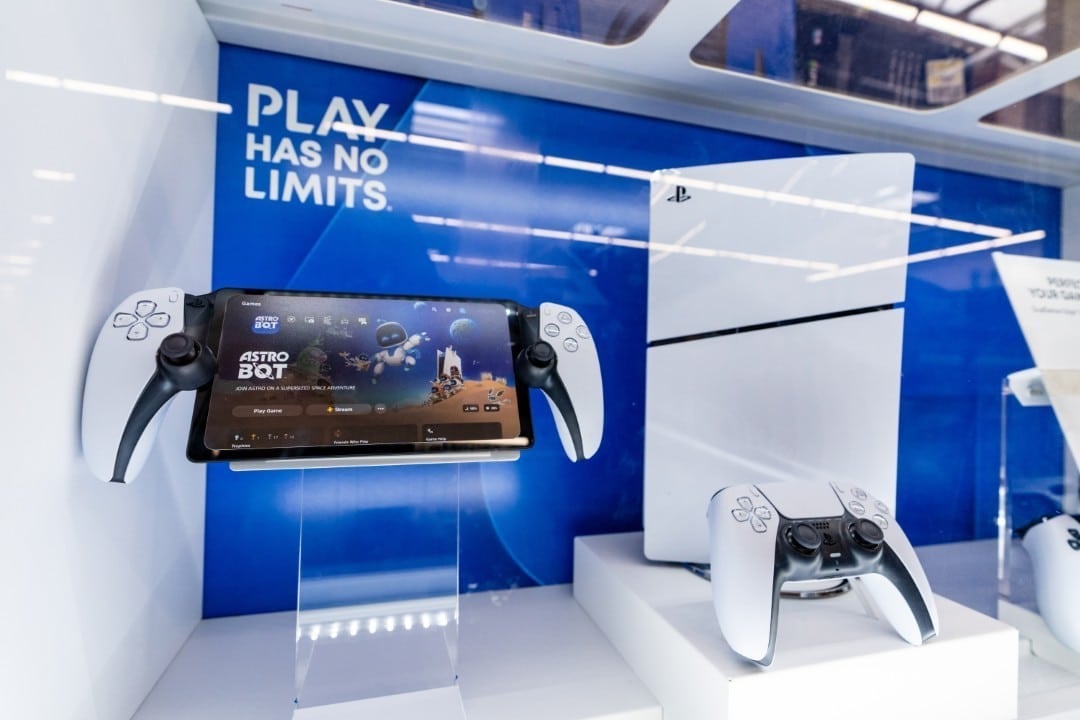
The technology and digital entertainment market is closely following leaks about the PlayStation manufacturer’s next portable console. The new device promises to run games natively with high visual fidelity, abandoning exclusive dependence on internet transmission. Preliminary information indicates that the equipment is in an advanced phase of internal testing.
The project’s biggest difference lies in its processing capacity, which directly rivals current generation desktop machines. Análises hardware points out that the mobile device can surpass the graphics performance of the Xbox Series S in specific rendering scenarios. Esse Technological leap represents a significant change for the electronics segment dedicated to games, reconfiguring distribution strategies for the coming years. The industry awaits an official position from the company on launch windows.

Advanced architecture and system internals
The design of the new mobile machine consolidates a long-standing partnership with semiconductor manufacturer AMD, bringing significant innovations to the pocket format. The behind-the-scenes data details the implementation of a graphics processing unit structured on the RDNA 5 architecture, which arrives equipped with sixteen computational units dedicated exclusively to visual rendering. Para manage core operations, the system’s main processor uses cores based on Zen 6 technology, ensuring unparalleled speed when executing complex, physical gaming tasks. Essa combination of cutting-edge technologies allows the device to deal with dense open worlds and advanced artificial intelligence of enemies without hindrance. The choice for these specific components demonstrates a clear engineering effort not to make technical concessions, delivering a living room experience in the palm of the user’s hand. The balance between the central processor and graphics card has been adjusted to avoid internal communication bottlenecks. Fluid communication between these two processing poles is vital to maintain the thermal stability of the compact chassis. With this solid foundation, developers will have the freedom to port demanding titles without having to rebuild graphics engines from scratch.
Memory specs and performance in hands-on tests
The device’s memory configuration attracts the attention of technology experts due to its unusual capacity for the mobile form factor. The system has a significant volume of RAM, operating with a one hundred and ninety-two bit interface. Essa bandwidth enables instant loading of high-resolution textures and facilitates quick transition between different virtual scenes.
Leaked lab tests reveal impressive details about the device’s traditional rendering capabilities:
- Twenty-four gigabytes of RAM in LPDDR5X standard for efficient multitasking.
- Construction of polygons and application of basic textures superior to the Microsoft input console.
- More fluid execution of ray tracing technologies, simulating the real behavior of light.
- Processing dynamic reflections and shadows without compromising the equipment’s temperature.
The technical difference becomes even more evident when advanced lighting effects come into play during gaming sessions. The optimized architecture allows the handheld console to process complex virtual environments while maintaining stable frame rates. The performance ensures that modern titles run smoothly, even when there is a lot of action on the screen. Essa stability is crucial to player immersion and represents a notable improvement over previous generation notebooks.
Visual evolution driven by artificial intelligence
The device’s high performance on a compact screen depends directly on solutions based on machine learning. PlayStation Spectral Super Resolution proprietary technology acts as the core engine to improve performance in heavy games. The system generates images at lower resolutions and uses advanced algorithms to intelligently fill in missing pixels. Esse method drastically reduces the processing load required by the graphics card and central processor. The practical result offers visual quality practically indistinguishable from native resolution, while keeping energy consumption under control.
Experts in the technology sector point out that the scaling solution developed for this ecosystem presents superior results compared to other tools available on the market. Specific optimization for closed, standardized hardware allows creators to get the most out of artificial intelligence. Isso ensures a visual experience that is clean, crisp and free from unwanted graphical artifacts during fast motion.
Strategic positioning and hybrid format in the market
The commercial strategy behind the new hardware points to a paradigm shift in relation to the brand’s recently launched accessories. Diferente of devices focused exclusively on transmission via the internet, the new project processes all data locally, guaranteeing constant independence of the connection. The format of the device suggests a hybrid approach, similar to the model popularized by competing companies in the digital entertainment sector. The inclusion of a physical support allows direct connection to high definition televisions, expanding the possibilities of use. Players gain the flexibility to start a match on public transport and continue the same session in their living room without losing progress. Competition in the notebook segment has intensified with the arrival of several computer manufacturers, but the new bet enters this scenario with the advantage of a dedicated operating system. The standardization of components makes the work of studios immensely easier when programming and optimizing games.
Energy efficiency and full library integration
The technical feasibility of putting such high processing power into a pocket-sized form factor is due to advances in semiconductor lithography. The main chip uses the three-nanometer manufacturing process, which reduces the distance between transistors and reduces heat generation. The architecture divides tasks intelligently, activating high-performance cores only during graphically demanding scenes. Dynamic power management maximizes battery life, solving one of the main obstacles facing mobile devices.
Synchronization between the portable console and the main desktop platform constitutes the central pillar of the company’s new generation. The same game purchased from the digital store will work perfectly on both systems, automatically adjusting the resolution and quality of the textures depending on the device used. Essa fluidity in the ecosystem eliminates the need for duplicate purchases and strengthens consumer loyalty. The production calendar suggests that the device’s launch will occur in parallel with the arrival of the next high-performance desktop machine. Unified libraries and cloud saves ensure campaign progression runs smoothly.



