Sony’s next high-performance launch, the Xperia 1 VIII, has just taken a decisive step towards the global market after receiving official FCC certification in Estados Unidos. The regulatory document, issued in early April 2026, confirms the model under the technical code PY7-30515Z and anticipates the device’s arrival on shelves. The approval comes weeks ahead of the Japanese manufacturer’s usual schedule, raising expectations in the technology sector.
This strategic move suggests that the company plans to bring forward the official announcement of the device, traditionally held in May. Technical records reveal significant updates in connectivity and charging, pointing to a smartphone focused on premium niches and extremely demanding users. Analistas believe that the brand seeks to consolidate its presence in specific regions, maintaining hardware features that other industry giants have already abandoned in favor of thinner designs.
Advanced connectivity and support for new wireless networks
The documentation released by the American regulatory body details that the new smartphone will have native support for the Wi-Fi 7 standard, the most recent and fastest generation of wireless networks available on the market. Essa technology allows considerably higher data transfer rates, reduced latency to almost imperceptible levels and better stability in environments with multiple devices connected simultaneously. Para the end consumer, this translates into superior performance when consuming ultra-high-resolution videos, competitive online gaming and transferring large files to cloud servers. The rapid adoption of this protocol puts the device on par with the year’s main competitors.
In addition to the state-of-the-art wireless network, the certificate confirms the presence of the Felica system, a proximity field communication technology widely used in Japão for digital payments and access to public transport. The inclusion of this feature reinforces the thesis that the Asian market continues to be the main focus of the production line, although the device should also serve corporate users traveling internationally. Support for specific LTE bands has also been extensively tested, ensuring roaming compatibility in different regions of the world. The integration of all these technologies demonstrates the manufacturer’s effort to offer a robust communication package prepared for the demands of the coming years.
Changes in the design and evolution of the photographic set
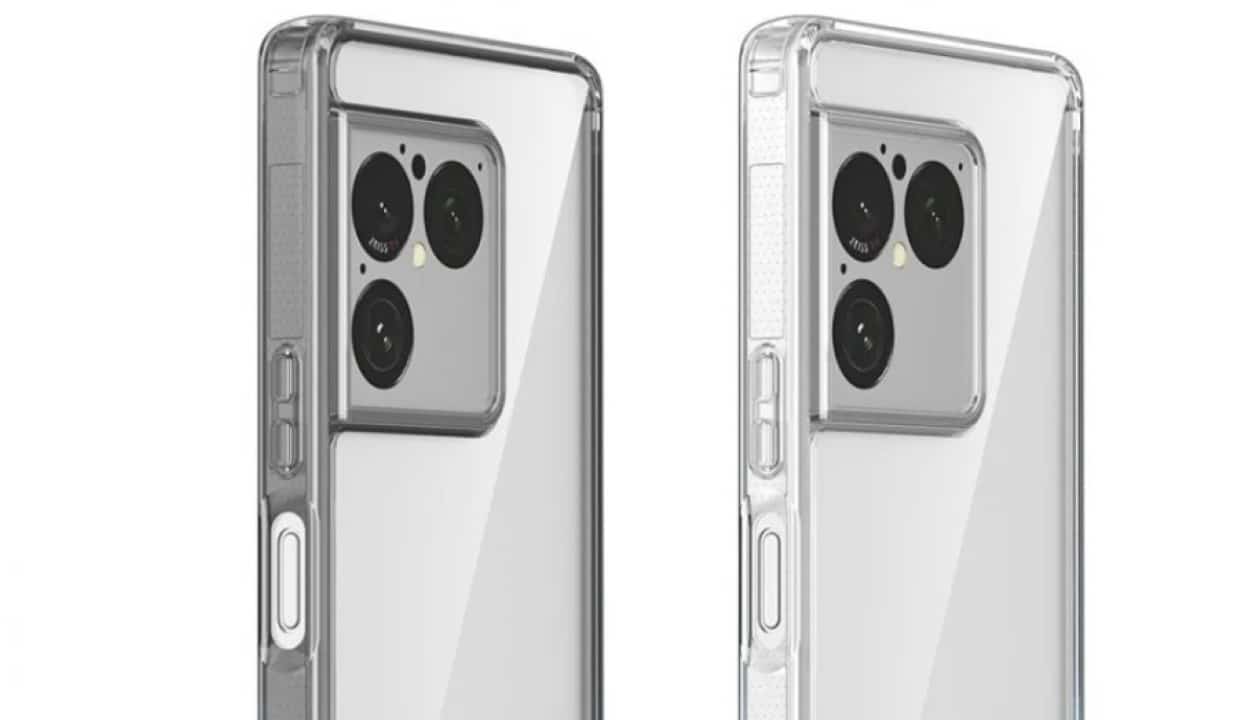
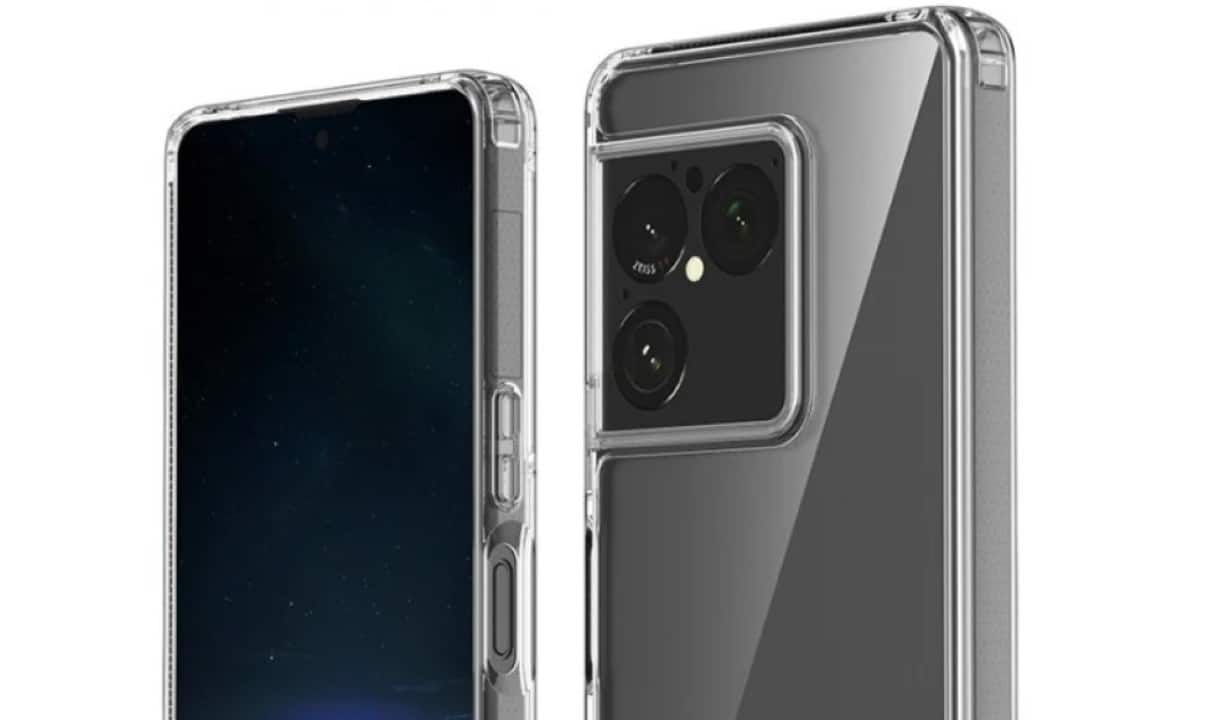
The leaked structural diagrams along with the certification process indicate that the device will undergo a visual redesign on its back, especially the camera module. The structure that houses the lenses appears to have considerably larger dimensions when compared to the previous generation model, which raises strong suspicions about the use of more advanced image sensors. Especialistas in mobile photography speculate that the company may integrate lenses with extended focal lengths, improving optical zoom capability without any loss of digital quality.
This physical change to the phone’s chassis is strictly necessary to accommodate more complex optical components, a hallmark of the company’s imaging division. The repositioning of internal elements also suggests engineering work focused on heat dissipation, something vital for recording videos in 4K format for long periods without crashes. The industrial design must maintain the straight lines and sober appearance that characterize the family of devices.
The resistance of the analog input for headphones
Contrary to the dominant trend in the mobile device industry, the new model will maintain the traditional 3.5 mm headphone jack. The decision responds to a direct appeal from the community of audiophiles and content creators, who prefer the sound fidelity and zero latency of wired equipment. The permanence of this physical connection has become a rare competitive differentiator among today’s cutting-edge devices.
The lower structure of the device was also detailed in the approval documents, revealing the classic arrangement of the centralized USB-C port and the SIM card drawer. The maintenance of wireless charging was also attested, ensuring the daily convenience that consumers in this price range demand. The combination of modern charging technologies with classic analog ports illustrates the manufacturer’s conservative yet highly functional design philosophy. Essa hybrid approach attempts to capture both the modern user and the audiovisual professional who relies on legacy accessories.
Confirmed specs and hardware expectations
With regulatory approval complete, the market now awaits leaks related to the central processor, full battery capacity and exact display specifications. The line’s history points to the use of extremely high-performance components, aimed at extreme productivity and immersive media consumption. The consolidation of current data already allows us to draw a clear profile of the device even before it is revealed.
FCC records have highlighted some of the fundamental features that will be present in the final version of the product that will hit stores in the coming months. Entre technical resources already validated by telecommunications authorities, the following structural points stand out:
- Full integration with the Wi-Fi 7 protocol for ultra-fast internet connections.
- Magnetic induction charging system built into the back cover.
- NFC module with native support for the Felica standard for financial transactions.
- Dedicated analog audio connector for professional headphones.
- New expanded physical arrangement to house the main camera system.
Launch schedule and impact on the sector
The speed with which certification was obtained this year changes analysts’ projections about the product’s launch window. Last year, the predecessor model only underwent the same bureaucratic scrutiny at the end of April, being revealed to the public weeks later. The advancement of this process to 2026 suggests that the supply chain and assembly line are operating smoothly, allowing for faster arrival at global retail. The strategy of bringing forward the announcement may be a clear attempt to avoid direct confrontation with competitor launches scheduled for the second half of the year. Embora approval no. Estados Unidos does not guarantee the official commercialization of the device on American soil through the traditional channels of telephone operators, it is a mandatory legal requirement for the operation of networks and direct imports. The technology sector is now monitoring the manufacturer’s next steps, awaiting the distribution of invitations to the official presentation event. The expectation is that the full reveal will take place in the first half of the year, bringing final details on prices and regional availability.
The competitive landscape and brand positioning
In the current mobile device scenario of 2026, competition for the premium segment has become even fiercer. Fabricantes global companies have invested heavily in generative artificial intelligence tools and foldable screens to attract high-income consumers. Sony, on the other hand, maintains its focus on a classic format, prioritizing excellence in raw hardware, professional-level color calibration and tools aimed exclusively at content creators. Esse Unique positioning allows the brand to survive in a market dominated by giants, focusing on a loyal user base that values manual control over device functions.
The pricing strategy will also be a determining factor in the commercial success of this new iteration. Historicamente, the company’s main line hits shelves at prices that exceed the average of direct competitors, justifying the cost through the exclusivity of its components, such as image sensors developed in-house. With global inflation stabilized, but semiconductor production costs still high, the market is waiting to see how the manufacturer will balance delivering new technologies without alienating its target audience. The success of this model could dictate the direction of the company’s telephone division for the coming years, consolidating its role as a supplier of precision tools disguised as smartphones.