

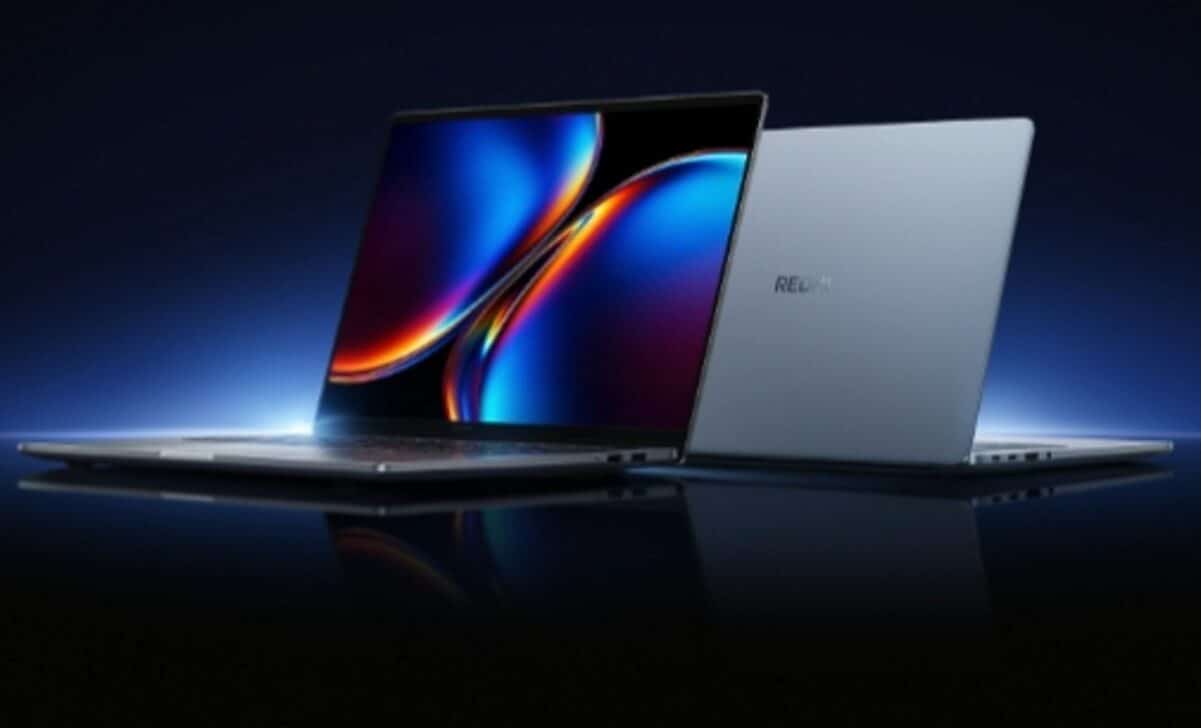
Chinese manufacturer Xiaomi has confirmed the arrival of its new generation of portable computers on the Asian market. The official announcement of the 14-inch and 16-inch devices is scheduled for April 21st at China. The devices arrive equipped with the recently launched Intel Panther Lake family of processors. The line promises to intensify competition in the high-performance personal computing segment this year.
The company’s strategy focuses on delivering cutting-edge technical specifications at a lower acquisition cost than traditional brands. The launch occurs simultaneously with the presentation of the company’s new smartphones, consolidating the ecosystem of integrated products. The great technical difference of the new generation is its energy capacity, which reaches the maximum ceiling allowed by civil aviation regulatory agencies. The manufacturer’s expectation is to attract demanding consumers who seek extreme mobility without depending on sockets.
https://twitter.com/daily_gadget_jp/status/2042908012348870980?ref_src=twsrc%5Etfw
Processing architecture and artificial intelligence
The internal structure of new computers reflects an important transition in the technology industry towards more energy-efficient hardware. The most advanced model in the line uses the Core Ultra X7 358H chip, which delivers 16 physical cores dedicated to balancing extreme performance and energy consumption. Esta configuration works in sync with the Arc B390 integrated graphics card, specifically developed to handle complex visual tasks. Profissionais who work with media editing, three-dimensional image rendering and graphic design find this set a robust alternative for their daily workflow. The integration of dedicated neural processing units is also present in the technological package offered by the Asian manufacturer. Este specific component accelerates artificial intelligence routines directly on the hardware, without depending on constant connections to cloud servers. Para For consumers looking for intermediate options, the brand offers variants equipped with the Core Ultra 5 338H and Core Ultra 5 325 processors. Todos the models use high-speed LPDDR5X RAM memory, ensuring fast communication between parts and reducing bottlenecks during intense use of multiple applications.
Limits of civil aviation and energy autonomy
Battery capacity represents the main selling point of the new generation of notebooks compared to direct competitors on the shelves. The 16-inch screen model houses a 99Wh component, delivering the maximum capacity possible before commercial flight safety restrictions come into force. Agências International regulators prohibit the transport of batteries greater than 100Wh in passenger cabins, which forced engineers to work exactly within the legal limit allowed. The company projects that the equipment will be able to deliver up to 37 hours of continuous local video playback. Deep optimization between the Intel hardware and the operating system makes it possible to achieve these expressive autonomy numbers away from electricity.
The 14-inch version receives a 92Wh component due to its physically reduced chassis and internal space limitations. Este value still represents a mark well above the average for the category of compact ultrabooks currently available in technology retailers. The manufacturer confirmed support for a 90W fast charging system for this smaller device, facilitating the routine of professionals who live on the go. Specific details about the recharging speed of the larger version are still awaiting official confirmation, although the market is expecting adapters with power greater than 100W.
Thermal adaptations and structural design
The development of these compact motherboards required severe adaptations to the internal design of the equipment to accommodate the new cooling systems. The thermal design needed to be resized to withstand the heat generated by the advanced chips without compromising the thin thickness of the aluminum chassis. The manufacturer chose to use low-profile fans and copper heat ducts, preserving the metallic shape that characterizes the visual identity of the notebook family. Weight distribution also underwent a thorough recalculation by the Asian company’s hardware engineers. The objective of this structural change is to maintain the device’s perfect balance when resting on flat surfaces or on the user’s lap during long typing journeys.
Direct dispute in the premium segment
The pricing strategy puts the new line on a direct collision course with the most expensive products on the international computer market. The company’s commercial objective is to attract users who need high performance for their daily work, but who are looking for alternatives to the values practiced by traditional brands in the sector. The 16-inch model is positioned as a direct competitor to equipment equipped with the M5 chip, focusing on content creators and software developers. Já The entry-level versions compete for space with models aimed at consumers with a more restricted budget or university students who need reliable machines. The brand invests heavily in the relationship between cost and benefit to gain market share in a sector that is already highly consolidated. Analistas indicate that the values should be below other premium lines presented at the beginning of the year by the manufacturer itself. Esta Internal segmentation helps to avoid direct competition between the company’s own products in physical and virtual stores. The detailed price list for the Asian market will only be revealed during the launch event in the third week of April.
Global Expansion and Specs Awaited
The start of sales is restricted to Chinese territory at first, following the technology company’s historical pattern of launches. The decision on a global launch directly depends on the commercial results obtained in the first few weeks and the stability of the semiconductor supply chain. Mercados, Europa and América Latina usually receive these products months late, often under different names for regional adaptation.
The logistics of distributing high-capacity batteries also pose additional regulatory challenges for large-scale export to the West. The company focuses its current efforts on ensuring the necessary production volume in factories to meet projected initial demand for the domestic market. Internal storage options and the exact amount of RAM for each version remain under embargo until the official public presentation date. The market expectation is that the company will offer base configurations starting from 16 GB of RAM and 512 GB of solid state disk space with very high reading speed.
The commercial success of this specific line could influence the development of future generations of notebooks and dictate the brand’s pace of innovation. Key highlights of the release include a number of technical advancements:
- State-of-the-art Intel Core Ultra processors with up to 16 physical cores for heavy multitasking.
- 99Wh battery in the larger model, reaching the exact limit allowed by international commercial aviation.
- Promises up to 37 hours of offline video playback on a single full charge.
- Redesigned cooling systems with copper ducts and low-profile fans.
- Aggressive focus on cost-benefit to compete directly in the high-end segment.
The wireless connectivity standard must also receive updates to support the latest networks, ensuring longevity of the equipment for years to come. The move reinforces the brand’s presence in the personal computing sector and demonstrates the company’s engineering capabilities. The joint presentation with new mobile devices highlights the strength of the manufacturer’s ecosystem in the Asian market.