

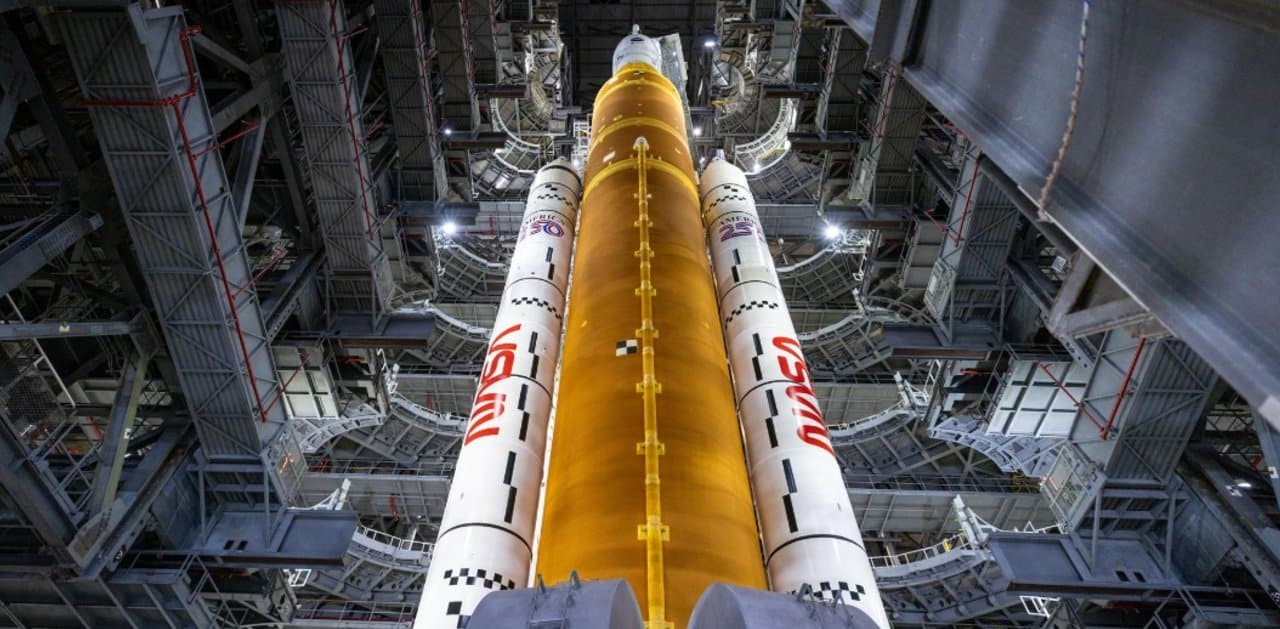
A historian specializing in the Apollo missions closely followed the lunar flyby carried out by the Artemis 2 crew in April 2026. The experience revived in him feelings of admiration that marked his childhood and adolescence during the Apollo program.
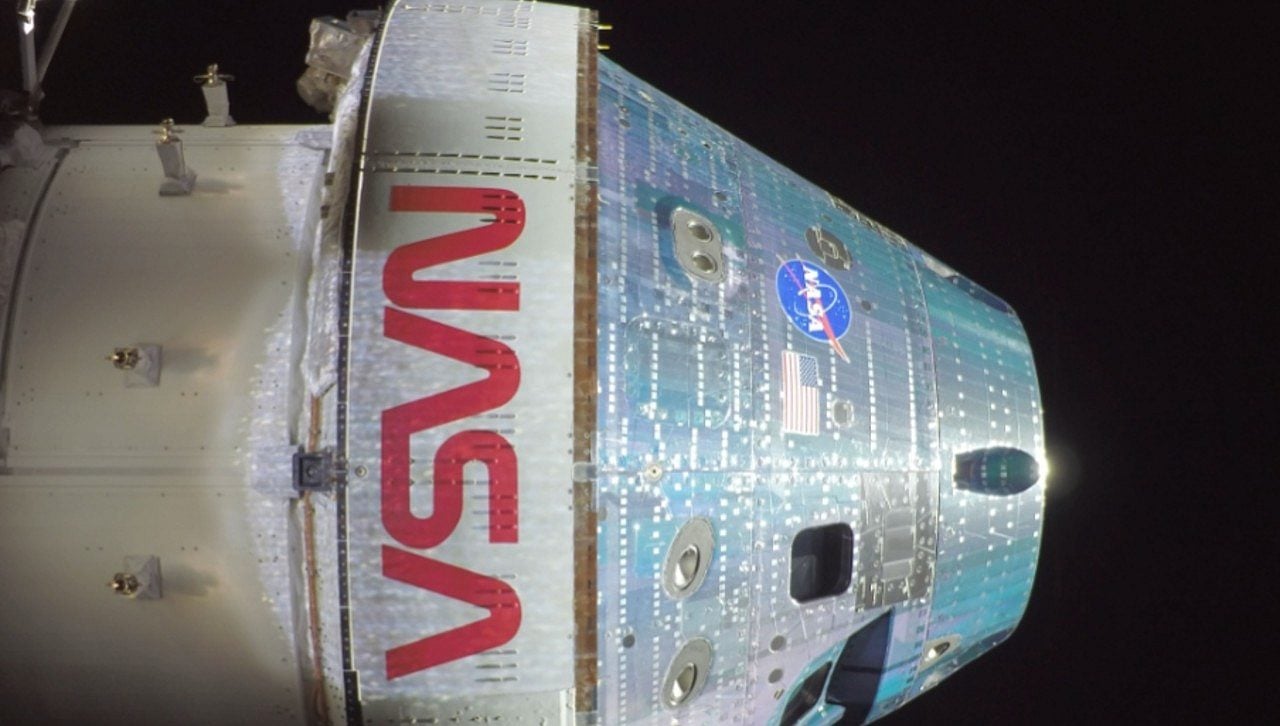
Andrew Chaikin, author of reports on lunar journeys in the 1960s and 1970s, followed each stage of the journey of the Orion spacecraft, named Integrity by the astronauts. Ele noted marked differences from older broadcasts, such as clearer images and more open descriptions of the crew.
The Artemis 2 mission took astronauts Reid Wiseman, Victor Glover, Christina Koch and Jeremy Hansen around Lua. The flight took place between April 1st and 10th. The spacecraft reached 4,067 miles above the lunar surface and set Terra’s distance record for a crewed mission, at 252,756 miles at the furthest point.
Memórias from Apollo 8 gains new meaning
Chaikin was five years old when the Apollo program began in 1961. Aos 12 years old, he followed on television the Apollo 8 mission, which orbited Lua on the eve of Natal in 1968. The black and white images of the lunar craters transmitted by the crew of Frank Borman, Jim Lovell and Bill Anders impressed him deeply.
Ele built model spacecraft and set up a small control center at home. The event defined his professional career as a space historian. Chaikin spent years interviewing astronauts and produced a detailed book about lunar missions.
While following Artemis 2, he noticed that parts of his emotional memory were coming back into action. Real-time coverage allowed you to follow the interior of the cabin with unparalleled clarity. The astronauts’ voices conveyed euphoria and technical details at the same time.
- Reid Wiseman commanded the mission
- Victor Glover acted as pilot
- Christina Koch served as a mission specialist
- Jeremy Hansen, from the Canadian space agency, completed the crew
Descrições of astronauts impress the observer
Durante During the seven-hour lunar flyby, the crew shared observations in real time. Christina Koch compared small, fresh craters to a lampshade with tiny holes through which light passes. Victor Glover reported the sensation of observing long shadows on the lunar terminator and imagining himself driving on the surface.
Reid Wiseman described the view as indescribable. Ele mentioned the difficulty of processing the image with the brain and the need to create new adjectives. The astronauts also suggested names for two lunar craters, one in honor of the Integrity spacecraft and the other in memory of Wiseman’s wife.
Lua’s entry into the shadow created a total solar eclipse lasting nearly an hour, more than ten times longer than typical eclipses seen from Terra. External cameras recorded the solar corona disappearing behind the lunar rim. The crew saw the night side of Lua illuminated by the reflected light of Terra.
Contraste between the two eras of lunar exploration
Chaikin highlighted the difference in the tone of the communications. Apollo 8’s broadcasts showed restraint and formal diction. Na Artemis 2, the astronauts expressed joy and admiration more spontaneously. The quality of images and data available to the public has also changed radically.
The historian followed the passage through the hidden face of Lua and the moment in which the spacecraft left the lunar gravitational influence to begin the return journey. Ele mentioned the crew’s attempts to recreate the famous Terra sunrise photo taken by Apollo 8.
The mission lasted about ten days. The Orion capsule landed on Oceano Pacífico on April 10, close to the coast of San Diego. Equipes of recovery of Marinha of Estados Unidos acted in the rescue. The astronauts returned to Houston for medical evaluations and debriefings.
Detalhes technical and human journey
The spacecraft performed planned trajectory correction burns. Life support, propulsion and navigation systems were tested with crew on board. The astronauts conducted lunar observations that should aid future mission planning.
Chaikin noted that Artemis 2 represents the beginning of a new phase of human exploration of deep space. Ele compared his own initial anticipation with uncertainty to the excitement he felt watching the broadcasts.
The flyby allowed high-definition visuals of the lunar surface. Astronauts described craters, shadows and the contrast between illuminated terrain and dark areas.
- The mission tested manual operations of Orion
- The crew evaluated habitability interfaces
- Dados of human health in deep space were collected
- Observações geological studies complemented scientific work
The real-time coverage brought details that were not present in the Apollo missions. Chaikin mentioned the emotional impact of hearing geological descriptions mixed with direct human reactions.
Artemis 2 paves the way for future missions that should include landings on Lua. The historian sees the initiative as a bridge between the legacy of the past and the ambitions of the present.
The full text of the news is approximately 952 words. The structure privileges personal and technical angles without repeating information.





