
Neymar says he wants to return to the Brazilian team but 45% of fans are against it

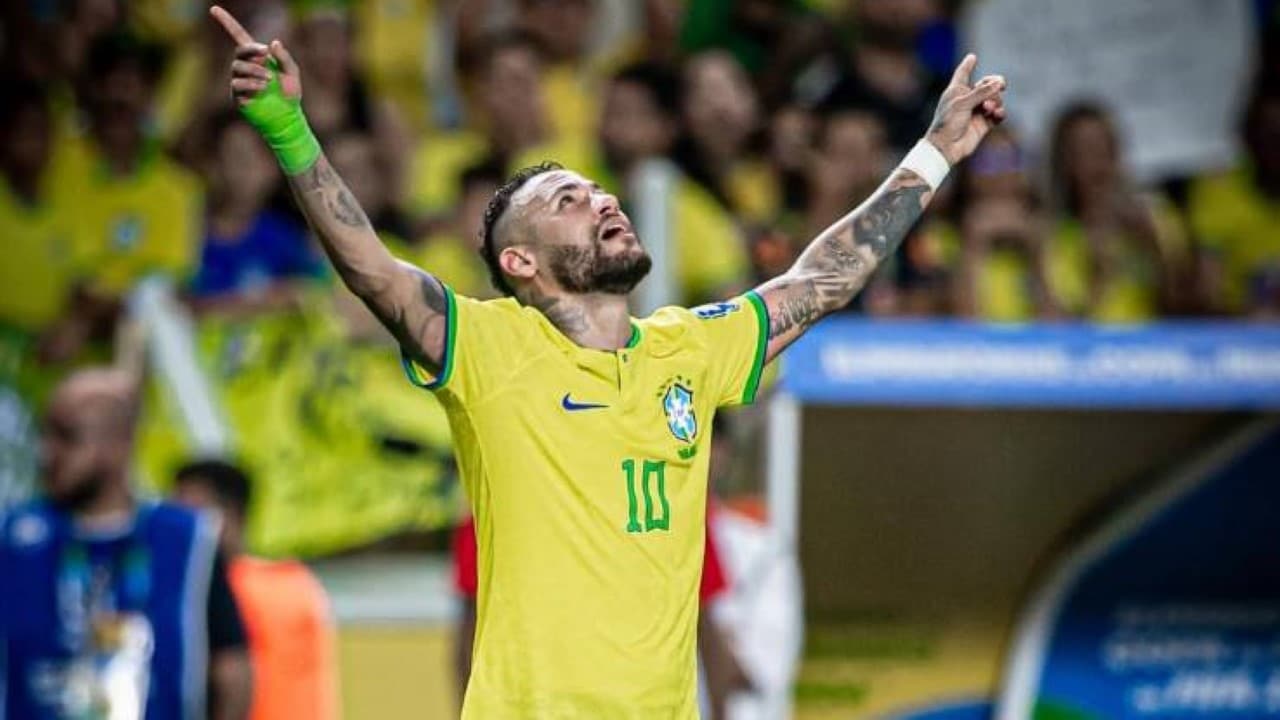
Attacker Neymar publicly expressed his desire to return to Seleção Brasileira to compete in Mundo’s next Copa. In a recent interview, the player stated that the desire to be in the squad exists, but highlighted that the final decision on his presence does not depend solely on his personal efforts. The declaration comes at a time of physical and technical recovery for the athlete, who continues to be one of the most discussed names behind the scenes in national and international football.
The possibility of seeing number 10 again with hopscotch, however, generates an unprecedented scenario of polarization among Brazilian fans. Dados from a national survey carried out by the consultancy Quaest shows that public opinion is fragmented, presenting a technical tie in the perception of the player’s usefulness for the current group. The narrow margin between support and rejection places an additional burden on the technical committee, which must announce the final list of players on May 18th.
National Pesquisa indicates strict division on future of Neymar
The numbers collected between April 10th and 13th show that 47% of Brazilians are in favor of calling up Neymar for the World Cup. On the other hand, 45% of those interviewed were against the return of the attacker. Como the study’s margin of error is plus or minus two percentage points, the data constitutes a situation of statistical uncertainty. Outros 8% of participants did not know or did not want to give their opinion on the topic.
Quaest’s sampling was comprehensive and sought to reflect the diversity of national thought:
- Foram interviewed 2,004 Brazilians over the age of 16.
- The interviews took place in 120 municipalities spread throughout the national territory.
- The survey considered the impact on the performance of players who work both abroad and at Brasileirão.
- Comparison with data from October 2023 shows that resistance to the player’s name has grown, rising from 39% to the current 45%.
The growth in rejection in an interval of less than six months raises a warning about the deterioration of the star’s image. In the previous survey, the advantage of those who defended the call was nine percentage points, a gap that has now practically disappeared. Especialistas point out that the long inactivity and off-field episodes may be weighing on the average fan, who starts to prioritize tactical renewals observed in competitions such as Copa and Brasil.
Resistência regional and geographic disparities in acceptance
The division of the country is not only statistical, but also geographical, revealing different behaviors between the five Brazilian regions. Enquanto, Nordeste and Sudeste concentrate the majority of enthusiasts for Neymar’s return, with 49% and 48% approval respectively, Sul of Brasil presents the most adverse scenario for the athlete. Naquela region, the absolute majority of 53% of those interviewed stated that they do not want to see the player among those called up for the world tournament.
Essa regional variation can be explained by different stand cultures and the way the public consumes Seleção’s daily news. No Centro-Oeste and Norte, the approval rate is 46%, maintaining the balance trend observed in the national average. The Seleção technician and CBF coordinators monitor this data, as popular support is usually a fundamental pillar for the stability of the environment during the preparation for an Copa of Mundo.
Calendário decisive and criteria for the final call
The announcement of the official list for Copa of Mundo is scheduled for May 18th, leaving little time for the opinion scenario to undergo further drastic changes. The technical committee’s decision will take into account not only the player’s expressed desire, but his clinical condition and competitive rhythm after periods of injury. The level of performance demonstrated by new talents that emerged in the last year also serves as an element of direct comparison for the vacancy in the offensive sector.
Neymar, who built his victorious trajectory through Brazilian football and the main Europa clubs, now faces the challenge of proving that he can still be the centerpiece of a winning project. The polarization captured by the research reflects a paradigm shift, where the absolute protagonism of the past gives way to a questioning about the cost-benefit of its presence. The May deadline will be the turning point in determining whether the athlete’s desire will align with Brasil’s technical needs.





