
Outbreaks of rotavirus in babies trigger a health alert in the United States after a drop in vaccination

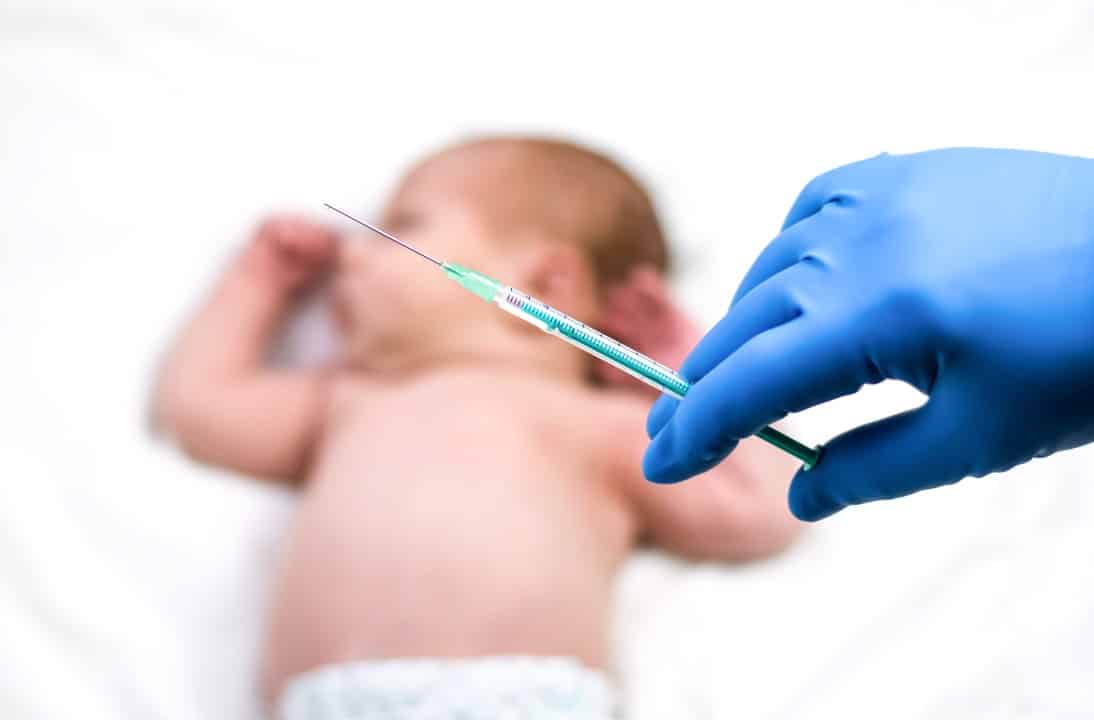
Agências of American health identified a significant increase in rotavirus infections since the beginning of the year. The pathogen mainly affects babies and young children. Análises continuous collection of wastewater confirms the massive presence of the infectious agent in several regions of the country. Epidemiological monitoring reveals an alert scenario for pediatric systems.
Accelerated transmission finds fertile ground at a time of immunological vulnerability in the child population. Vaccination coverage against the disease has suffered consecutive drops for almost a decade. Especialistas observe that the combination of high contagiousness and incomplete immunization schedules results in acute clinical conditions. The virus causes violent episodes of fluid loss. Unprotected Lactentes arrives at emergency rooms in a critical state of health. Medical intervention needs to occur immediately to avoid irreversible damage to the developing organism.
Rastreamento in sewage networks maps the trajectory of infection
The environmental surveillance system detected atypical concentrations of the microorganism in the samples collected. The Oeste and Meio-West regions of Estados Unidos concentrate the highest rates of viral circulation at this time. The wastewater analysis method works as an early radar for community outbreaks. The technique allows health authorities to direct resources even before health units are full. The volume of genetic material found far exceeds records from the same period last year.
Rotavirus has a remarkable ability to survive outside the human body. Contaminated Superfícies keeps the agent active for long periods. Infection occurs easily through contact with objects or hands that carry invisible viral particles.
Progressão clinic and the hidden danger of abrupt fluid loss
The disease cycle follows an aggressive pattern that quickly weakens the child. The initial presentation usually presents a fever of around 38 degrees Celsius. Intense Vômitos dominate the first twenty-four to thirty-six hours of infection. The next phase brings severe diarrhea. Pacientes pediatric patients can record more than twenty liquid bowel movements in a single day. Symptoms persist for a period ranging from three to eight days.
The complication most feared by pediatricians is profound dehydration. An irritated stomach rejects the intake of water or homemade serum. The simultaneous loss of fluids through the upper and lower tract depletes the baby’s reserves in a matter of hours. Médicos report situations in which perfectly healthy children collapse physiologically in less than two days. Intravenous replacement becomes the only viable alternative to stabilize the hospitalized patient’s vital signs.
Hesitação vaccine overloads pediatric wards in several states
Official data show that only 73.8% of American children have the complete protection scheme against the virus. Esse index has shown a steady and worrying decline over the past eight years. The absence of a protective dose exposes minors to serious forms of the disease. Hospitais located in cities like Oklahoma City have faced a steady stream of child admissions in recent weeks. The vast majority of beds are occupied by patients who did not receive the immunizing drops at the appropriate time.
The environment of daycare centers and nursery schools acts as a natural amplifier for the spread of the pathogen. Crianças asymptomatic or with mild symptoms spread the virus through shared toys and furniture. Families’ routines are drastically impacted when hospitalization becomes necessary. Pais have to leave their jobs to accompany their children to hydration treatments that last for days.
Epidemiological Transformação after the introduction of oral doses
The current medical scenario differs radically from the reality faced two decades ago. Antes of the approval of the specific immunizer, the rotavirus caused immense damage to American public health. Emergency rooms recorded more than two hundred thousand annual visits related to the infection. Hospitalizations reached the mark of seventy thousand cases per year. Dezenas of children lost their lives annually due to hypovolemic shock caused by the disease.
Science has changed the natural course of this pediatric infection. The oral vaccine currently prevents between forty thousand and fifty thousand hospitalizations every year. Estudos Robust clinicians prove that nine out of ten vaccinated babies develop immunity against severe forms of the condition. Sete in ten children do not even contract the virus after exposure. The official calendar establishes the beginning of protection at two months of life.
Protocolos recommended safety and sanitary barriers
- Oral immunization in the first months of life constitutes the primary defense against the pathogen.
- Strict hand hygiene with soap and water breaks the chain of direct transmission.
- Disinfecting changing tables and toys reduces viral load in public use environments.
- Immediate seeking medical evaluation prevents the worsening of the dehydration state.
Environmental cleaning measures offer an extra layer of protection, but do not replace the effectiveness of antibodies generated by the vaccine. The virus resists many common cleaning products used in homes. Profissionais of health emphasize that open dialogue between families and pediatricians clarifies doubts about the safety of doses. The two oral vaccine options available on the American market have undergone rigorous pharmacovigilance testing.
Laboratory monitoring continues to map viral density in affected communities. The circulation pattern of the microorganism changed to biennial cycles in many territories after the vaccine was implemented. Disease control Centros maintains active surveillance over sewage samples. Public health teams use this raw data to organize child care infrastructure in the highest risk areas.





