
South Korean manufacturer offers credit of up to US$250 to cover Galaxy S26 Ultra returns

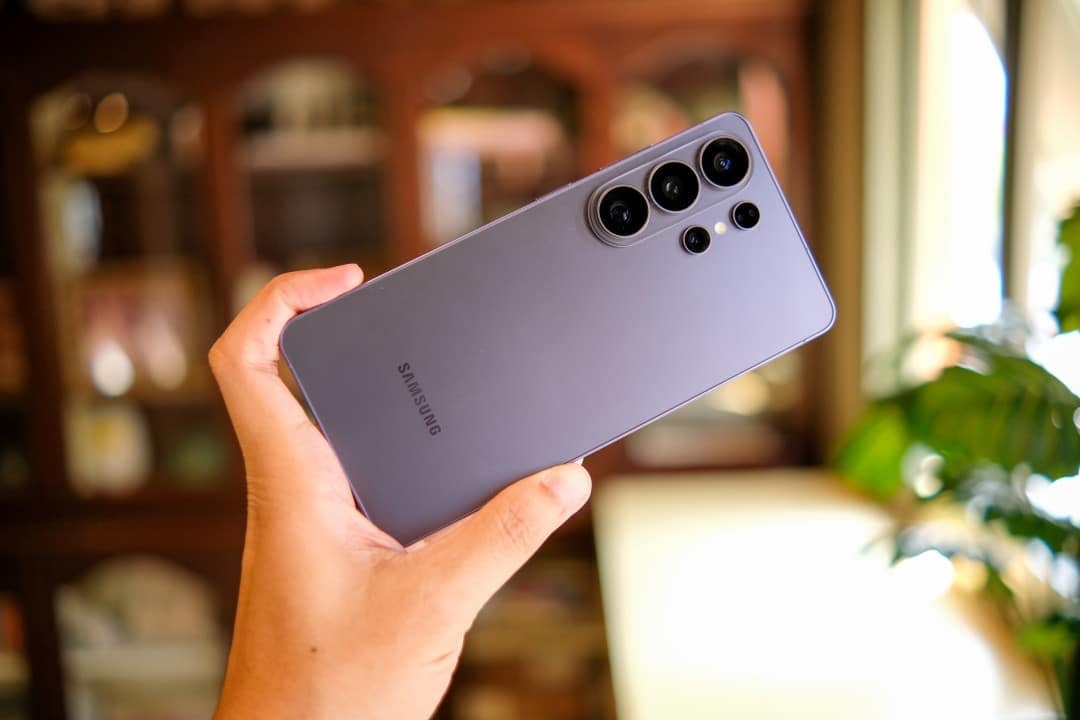
South Korean manufacturer Samsung has started a customer retention campaign on the Estados Unidos to avoid mass returns of the recently launched Galaxy S26 Ultra. Representantes’s support company is offering partial refunds of up to $250 to buyers who contact them with the intention of returning the smartphone. The measure comes just a few weeks after the device arrived on the global market.
The unusual move responds to a series of complaints about the device’s new screen, which has brightness issues under certain usage conditions. The model, which starts at US$1,299 in the North American market, brought innovations focused on privacy that ended up dividing consumer opinion. The financial strategy seeks to minimize the company’s logistical and operational losses in a scenario of high hardware production costs. The impact on initial sales is still being evaluated by the brand.
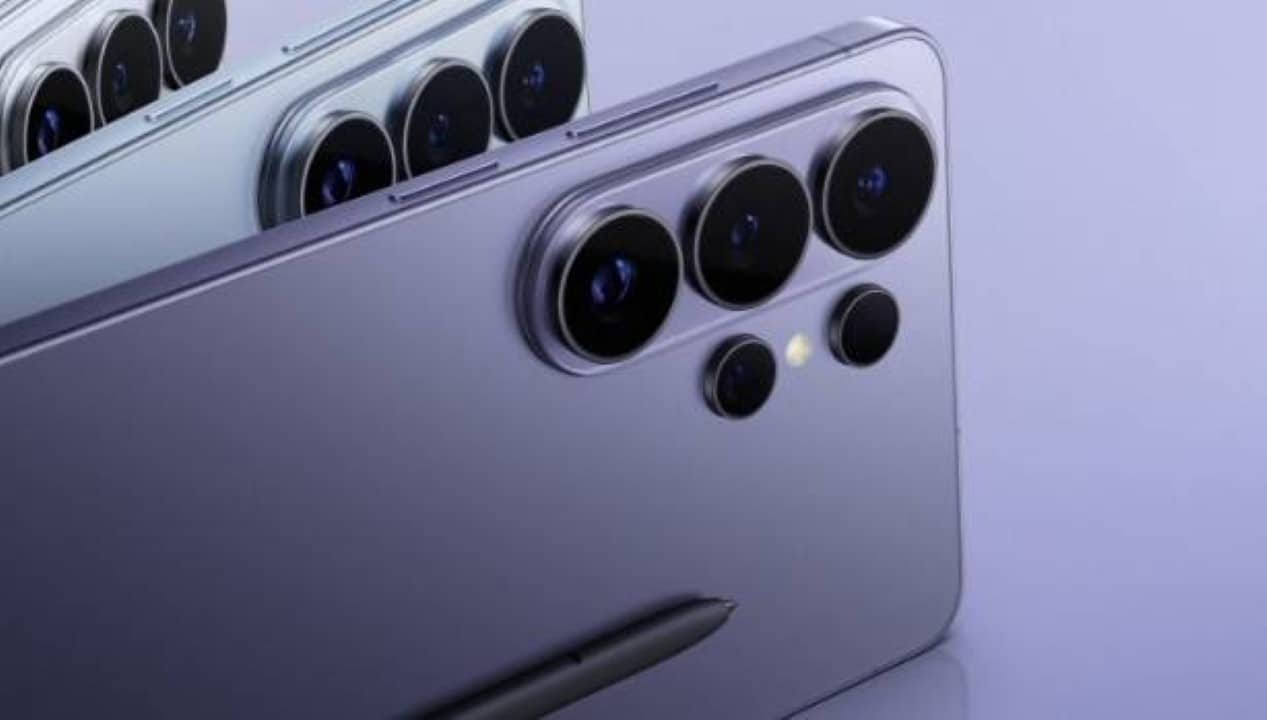
Refund dynamics and rules for consumers
The retention process takes place directly during customer service. Quando a buyer initiates the return protocol via the official website or support chat within the legal period of 14 days, the customer service representative confirms the reasons for dissatisfaction. Após makes a formal apology for the inconvenience, the employee presents a financial proposal for the user to keep the device. The amount offered varies depending on the case and purchase history. Compensation can represent around 10% of the amount paid or reach a ceiling of US$250 in specific situations reported on technology forums. The money is returned directly in the form of a credit card refund or invoice discount.
Para is entitled to a standard full return, the manufacturer requires that the phone is not linked to an Google account and remains in new condition. Diante of the credit offer, the customer is free to accept the discount and continue with the product or refuse the proposal and proceed with a full refund of the amount invested.
The impact of the new privacy screen on the user experience
The main factor driving return requests is the Privacy Display technology, introduced as one of the major differentiators of the Galaxy S26 Ultra at the launch event in February 2026. The tool was designed to block the side view of the screen, protecting the content displayed against unwanted glances in public environments and crowded transport. However, the physical and software implementation of this feature resulted in side effects on color calibration and maximum brightness intensity. Consumidores report that, in direct sunlight or at specific angles, the panel loses the sharpness characteristic of previous generations of the premium line. The change in visual quality generated immediate frustration among a portion of the public who use smartphones for media consumption and professional photography. Esse dissatisfaction led to calling technical support in the first days of using the device. Specialized Fóruns began to accumulate screen tests showing the difference in performance compared to direct competitors. The situation highlights the challenge of integrating new layers of hardware without compromising basic usability. Para many brand loyal customers, the loss of brightness outweighed the theoretical benefits of improved privacy.
The company has already released recent software updates, including the February security package, with the aim of mitigating some of these visual discomforts. The brand’s Engenheiros continues to monitor buyer feedback to develop additional adjustments that can balance privacy function with color fidelity. Apesar technical efforts, the physical limitation of the new panel makes a complete fix via software alone impossible.
Custos production and technology market landscape
The decision to pay the customer not to return the product reflects the pressure on profit margins in the mobile device sector. The development of advanced artificial intelligence capabilities and the integration of cutting-edge processors have significantly increased the manufacturing cost of the current model.
Receber a device return generates a chain of logistical expenses that includes reverse shipping, technical inspection, repackaging and the subsequent sale of the item as refurbished for a lower value. By offering the US$250 credit, the company calculates that the immediate expense of the discount is less than the total loss of processing the physical return. Especialistas from the market point out that this retention tactic is rare in the telephone segment, differentiating itself from conventional retail promotions.
- The logistical cost of an international return involves safe transportation and specialized screening.
- Aparelhos returned lose their new product status and suffer immediate depreciation in stock.
- Customer retention keeps the user active in the brand’s ecosystem of services and applications.
- The strategy prevents dissatisfied consumers from migrating directly to the competing operating system.
Repercussão in online communities and discussion forums
The retention tactic quickly became one of the most talked about topics on social media and technology discussion platforms. Diversos buyers began sharing screenshots of conversations with technical support, detailing the prices offered and the justifications given by the agents. The community-forced transparency sparked a debate about the validity of the offer. Enquanto some users consider the US$250 discount to be excellent financial compensation for a problem they consider tolerable, others argue that the screen failure compromises the experience of a device that costs more than a thousand dollars. Há reports from customers who accepted the money and plan to use the device until the next generation, while more demanding groups chose to return the equipment, stating that no financial compensation justifies a screen inferior to that of last year’s model.
Alguns consumers have also expressed concern that mass dissemination of this policy may encourage false support contacts. Pessoas with no real intention of returning the smartphone could start the process just to try to obtain the financial discount.
Perspectivas for upcoming line updates
Até At the moment, the retention policy with partial payments appears to be concentrated exclusively on the Estados Unidos market, with there being no confirmed records of the same practice in Europa or América Latina countries. The manufacturer remains officially silent about the duration of this discount campaign and treats each request individually on its service channels.
The episode serves as a thermometer for the industry regarding the risks of changing fundamental components, such as the screen, in devices already consolidated on the market. The mixed reception of the privacy technology will require the development team to reevaluate the implementation of the feature for the brand’s future launches, seeking a more precise balance between security innovation and the visual quality demanded by high-end consumers.





