
American operator reduces the value of the Google Pixel 10 to US$ 299 in annual service package

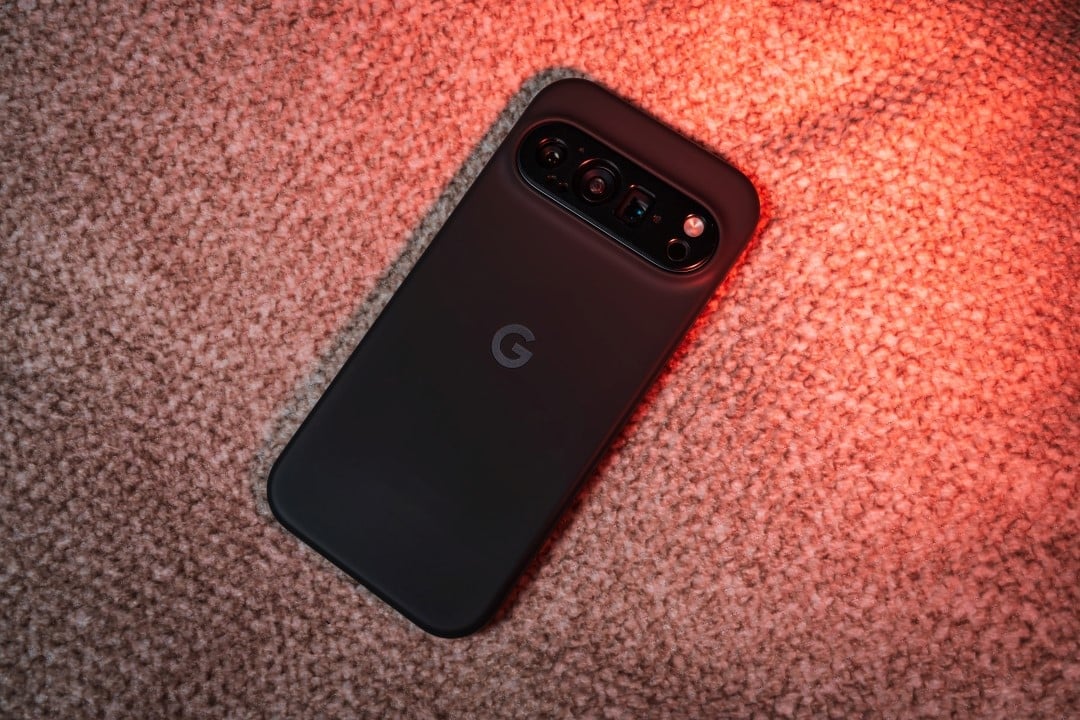
Virtual operator Mint Mobile has reduced the price of the Google Pixel 10 to $299 on the Estados Unidos. The offer requires the simultaneous purchase of an annual mobile phone plan. The aggressive value positions the device as a strong direct competitor in the high-end market. Consumidores seeks viable alternatives to the models manufactured by Apple. The promotional action moves technology retail and attracts the attention of telecommunications specialists.
The tied-sale format changes pricing dynamics in the US mobile device sector. The complete package requires an initial outlay of US$479 from the buyer. The amount covers the purchase of the smartphone and twelve months of unlimited internet and voice service. Analistas marketers point to the strategy as a clear move to popularize the pure Android system among demanding users. The financial barrier to entry drops drastically with this type of trade.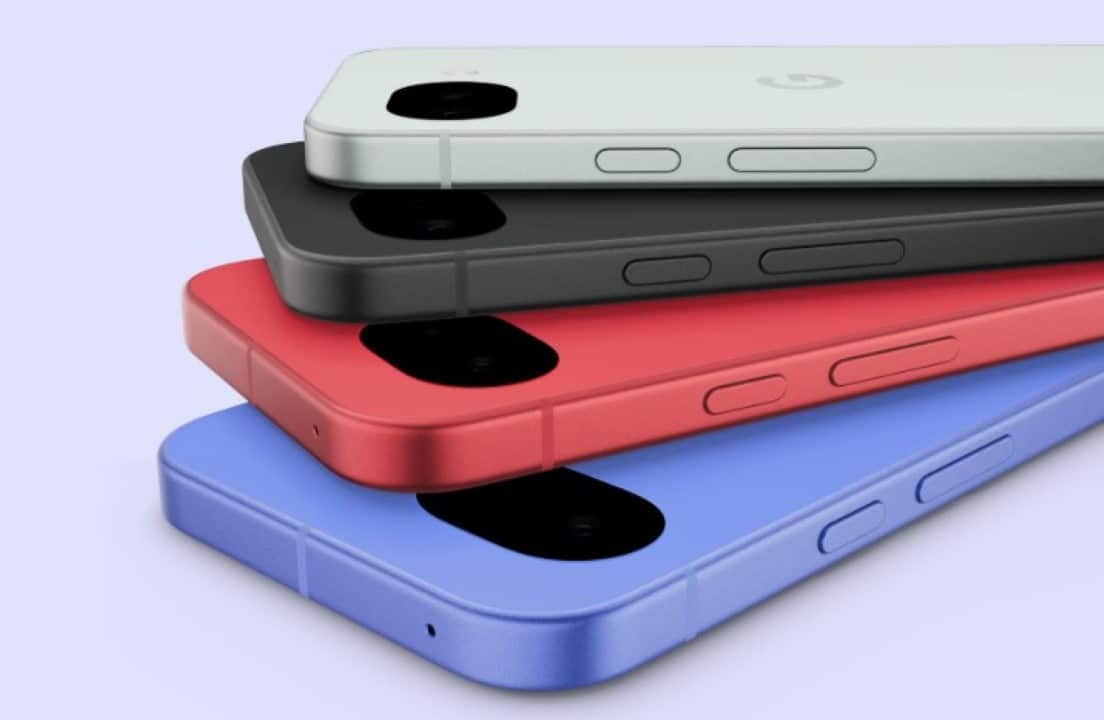
Estratégia commercial involves loyalty and fast unlocking
Purchasing a smartphone for a price well below the retail average requires a commitment to the service provider. The telecommunications company’s basic plan costs the equivalent of US$15 per month. The user needs to pay the full amount of one year in advance at the time of purchase. The commercial tactic guarantees recurring revenue for the operator while subsidizing the high cost of cutting-edge hardware. The business model benefits both parties involved in the transaction.
A specific promotion rule attracts consumers accustomed to contractual flexibility. The device receives definitive unlocking after 60 days of continuous use on the operator’s original network. The customer gains the technical freedom to migrate to traditional companies such as AT&T or Verizon after this initial period. The measure significantly reduces the risk perceived when purchasing a cell phone linked to a long-term contract. Number portability remains guaranteed by American telecommunications laws.
Especificações techniques focus on artificial intelligence
The device developed by Google features state-of-the-art components to justify its position in the premium segment. The internal hardware architecture prioritizes the processing of complex data in real time. The equipment works together with advanced software to optimize daily tasks and improve user productivity. The deep integration between physical parts and algorithms results in a very fluid user experience.
- Processador Tensor: The new generation proprietary chip accelerates artificial intelligence and machine learning routines directly on the device.
- Sistema of cameras: The dual set has wide-angle lenses and exclusive features like the Night Sight for dark environments.
- Tela OLED: High-resolution panel adapts refresh rate automatically to save power while reading.
- Smart Bateria: Energy storage component supports fast and wireless charging for greater daily convenience.
- Construção premium: The chassis features international certification against water and dust to ensure the durability of the product.
The clean operating system represents another important technical difference between the model and its Asian rivals. The Google ensures continuous, priority security updates for the entire Pixel line. Consumers receive new software features much earlier than owners of other cell phone brands. The interface without third-party modifications delivers fast browsing and is completely free of unwanted pre-installed applications. Device longevity increases considerably with extended official support.
Virtual Carrier Dinâmica Transforms US Industry
The Estados Unidos telephony market is undergoing a profound reconfiguration with the rise of virtual mobile operators. Estas companies rent physical infrastructure from industry giants to provide nationwide coverage to their subscribers. Mint Mobile uses T-Mobile’s antennas and 5G network to connect its customers. The lean and digital business model allows the offering of extremely aggressive rates to the end consumer. The absence of maintenance of its own networks reduces the company’s operating costs.
The lack of physical stores spread across cities makes joint promotions with large hardware manufacturers possible. Traditional telecommunications companies face serious difficulties in matching the prices charged by newcomers to the sector. Competitive pressure forces an urgent review of loyalty policies and heavy device subsidies across the country. Access to fast mobile internet connections becomes cheaper and more democratic for the American population. The scenario favors more frequent exchange of cell phones.
Posicionamento against high-end competitors
The final price of US$479 for the complete package changes the perception of cost-benefit in the competitive category of advanced cell phones. Dispositivos competitors with similar processing capabilities often surpass the $800 mark in traditional electronics retail. The significant price difference allows the buyer to invest in quality accessories or simply keep the capital saved. The Pixel 10 perfectly suits those looking for high performance without compromising the monthly family budget. The barrier to entry for cutting-edge technology decreases.
The native integration between Google’s cloud services and its own hardware creates a very robust digital ecosystem. The user experiences a smooth and seamless transition between corporate productivity applications and entertainment platforms. The corporate strategy of making the gateway cheaper strengthens customer retention on the Android platform in the long term. The aggressive commercial move sets a challenging new pricing standard for the entire global mobile technology industry. The market awaits the response from rival manufacturers in the coming months.
Impacto on technology consumer behavior
The availability of high-end equipment at a fraction of the original cost changes Americans’ purchasing habits. Muitos users used to keep their old smartphones for three or four years due to the prohibitive prices of recent launches. The current offer encourages early technology upgrades among people who were previously hesitant to spend large amounts. Easier access to better cameras and faster processors encourages the production of amateur content for social networks. The democratization of premium hardware has a ripple effect on the digital economy.
The success of this specific campaign sets the rules for the next major launches in the mobility sector. Fabricantes who have historically charged high premiums for their brands need to justify the extra cost with much more tangible innovations. The modern consumer shows increasing sensitivity to prices and researches extensively before closing a deal. The partnership between software developers and internet providers appears to be the most effective formula to overcome the stagnation in global sales. The scenario points to a period of intense commercial rivalry.





