Bird flu A(H9N2) is identified in a man in Italy after traveling to Africa

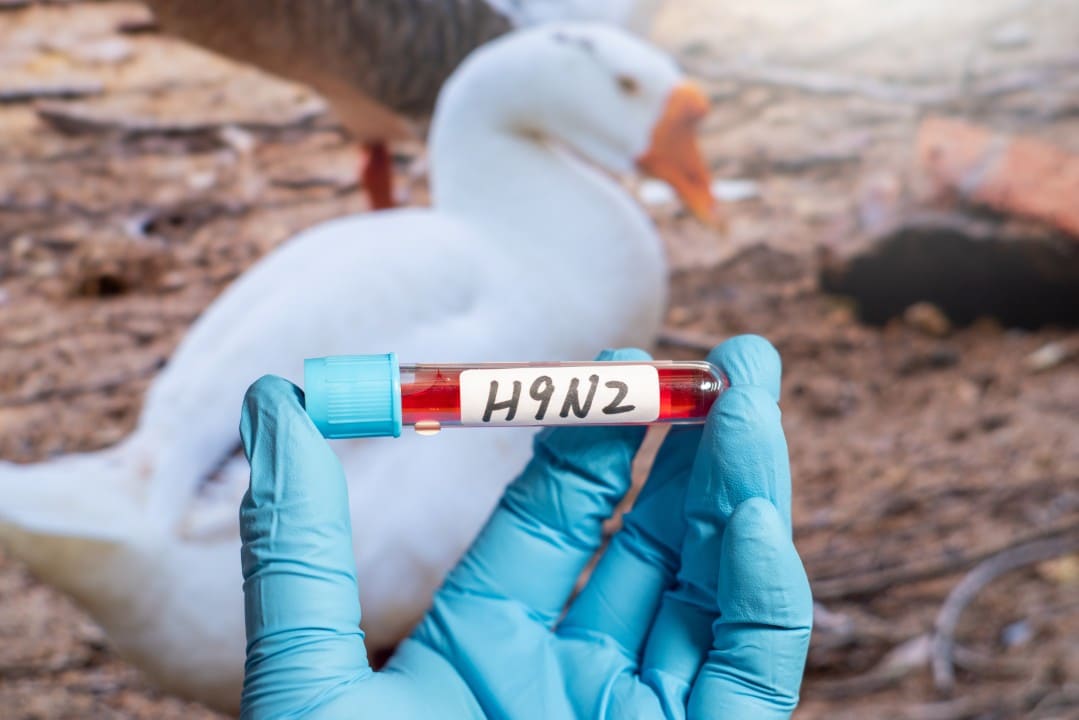
An adult male tested positive for avian influenza A(H9N2) virus at Itália after returning from an extended stay at Senegal. The diagnosis, confirmed by Organização Mundial of Saúde (WHO) this Friday, marks the first time that this specific virus subtype has been identified in a human within Região Europeia through import. Local health authorities acted quickly to isolate the patient and monitor possible contacts.
The case mobilized Ponto Focal Nacional to Regulamento Sanitário Internacional (RSI) of Itália after initial detection on March 21, 2026. Inicialmente, the patient sought care in an emergency unit showing symptoms of fever and persistent cough shortly after landing on Italian soil. Exames deep labs revealed an unexpected co-infection that required strict isolation protocols.
Laboratory Diagnóstico and identification of subtype A(H9N2)
Accurate identification of the virus required the use of advanced next-generation genetic sequencing technologies. On March 16, doctors collected a bronchoalveolar lavage sample that initially showed a positive result forMycobacterium tuberculosis. Simultaneamente, the tests detected the presence of an influenza A virus that could not be subtyped in routine rapid tests.
Diante due to uncertainty about the strain, the sample was sent to a regional reference laboratory. On March 20, technicians identified subtype A(H9) and, the following day, complete sequencing confirmed that it was H9N2. Initial genetic findings strongly suggest that the infection has an avian origin, with direct similarities to strains circulating in poultry in Senegal.
- The patient remained at Senegal for more than six months before traveling.
- Isolation took place in a negative pressure room with airborne transmission precautions.
- Treatment involved anti-tuberculosis medications and the antiviral drug oseltamivir.
- The man’s health status was considered stable and improving until early April.
Ausência direct exposure and contact monitoring
One of the points that most attracts the attention of epidemiological authorities is the fact that the patient did not report direct exposure to animals. Ele stated that he did not visit live bird markets, rural environments or have contact with wildlife during his stay at África. Além In addition, there was no record of proximity to other people who presented similar respiratory symptoms.
Investigations into Itália were extensive to ensure there was no community transmission. Todos contacts identified and traced in Italian territory were tested and presented negative results for influenza. Mesmo thus, these people completed a period of active monitoring and quarantine, following national biosafety guidelines. Como additional preventive measure, contacts also received doses of oseltamivir.
No Senegal, the identified contacts were classified as asymptomatic by local health teams. Coordination between the two countries and the WHO allowed the tracking to be completed without identifying new outbreaks of the disease. The Italian regional surveillance system has integrated the information into the “One Health” reporting framework, which unites human, animal and environmental health.
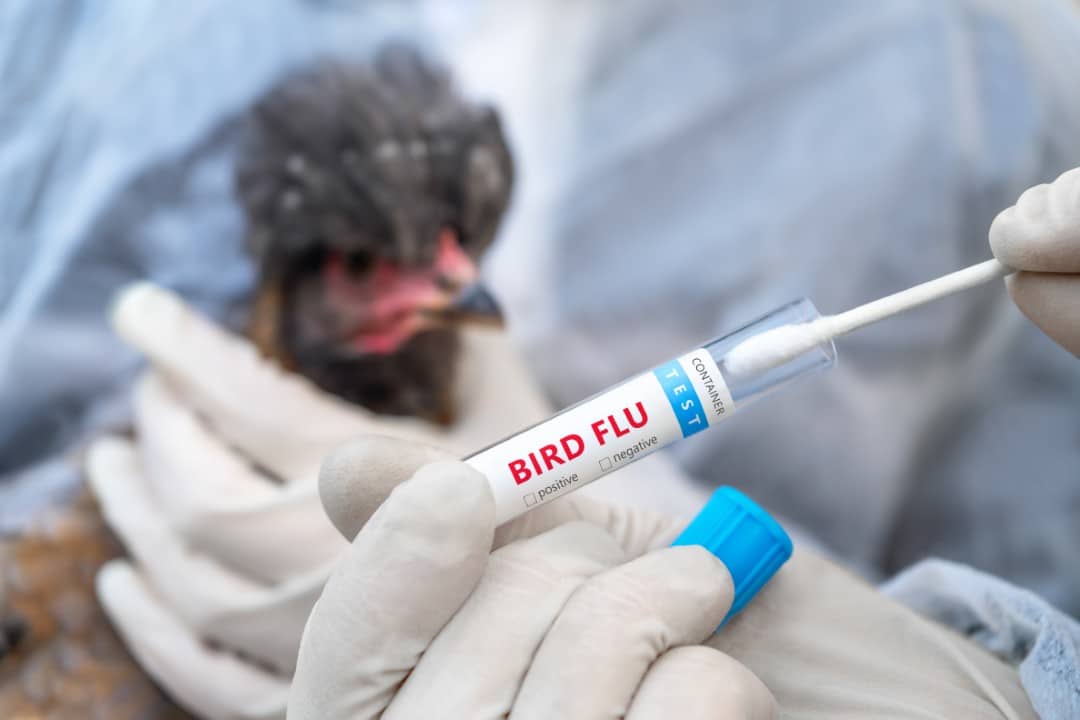
Avaliação global risk and infection history in humans
Apesar of the unprecedented Europa, the WHO classified the risk to the general population as low at the moment. The A(H9N2) virus is known to circulate endemically in bird populations in several regions of África and Ásia. The majority of previously recorded human cases occurred in China, generally associated with direct contact with infected birds or contaminated environments.
Bird flu infections in humans can vary drastically in severity. Embora many cases manifest as mild upper respiratory tract diseases, there are records of severe conditions, conjunctivitis, gastrointestinal symptoms and even encephalopathy. The detection of this case in Itália is treated as an event of high potential impact on public health according to the IHR (2005), requiring immediate notification.
The international organization reinforced that it will continue to monitor the situation globally, as the virus remains present in poultry in Senegal. In 2020, the African country had already registered a human case of A(H9N2) infection. Continuous surveillance is considered essential to detect any changes in the virus’s behavior that may suggest greater ease of transmission between humans.