
Chinese automaker presents new electric sedan focused on app drivers with ultra-fast recharging

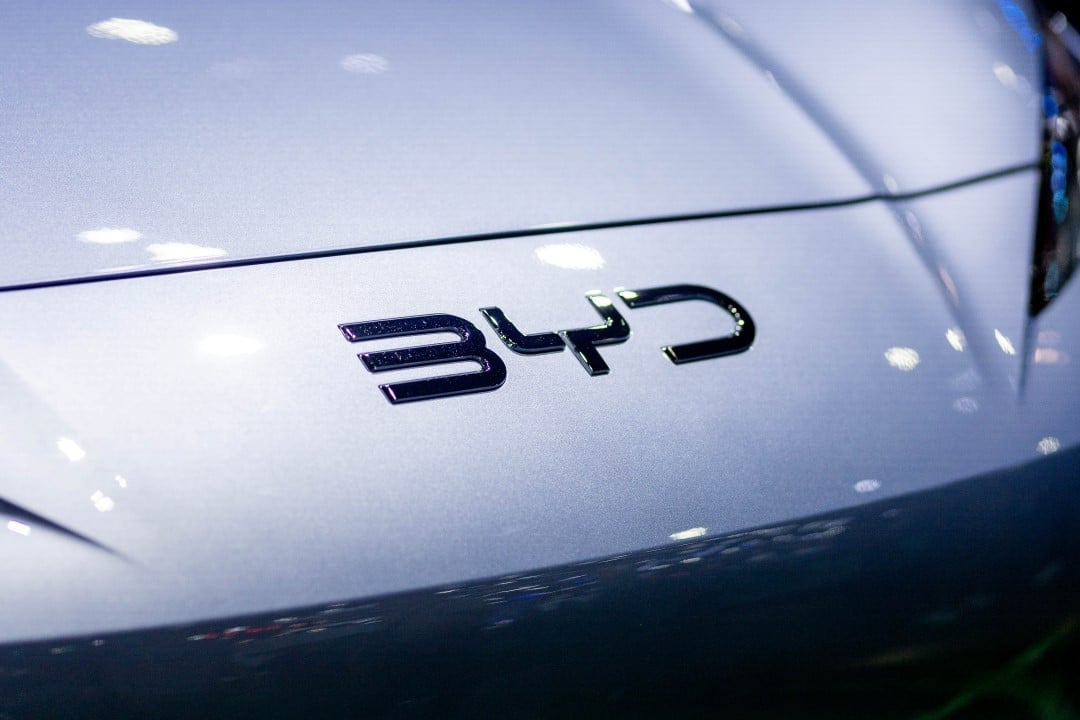
Asian manufacturer BYD has officially announced the arrival of a new electric vehicle aimed exclusively at the passenger transport sector. The new model arrives on the international market under the auspices of the subsidiary brand Linghui. The target is clear. With a starting price set in the range of US$13,900, the sedan seeks to attract professionals who depend on digital platforms to work daily in large cities. The automaker’s central strategy involves offering a highly durable product with a very competitive acquisition cost compared to combustion competitors, changing the dynamics of urban fleets.
The car’s biggest difference lies in its ability to recover energy in record time. The company’s Engenheiros developed a charging system capable of filling the battery in just ten minutes. Essa feature solves one of the biggest bottlenecks faced by those who use electric cars as a work tool. Motoristas application usually waste precious hours of their shift waiting at common charging stations. The change is drastic. Agora, the promise is that the stopping time is equivalent to that of a traditional gasoline or ethanol fill-up. The impact of this technology accelerates the energy transition in taxi fleets and paid ride-sharing services. Especialistas from the automotive sector observe that reducing idle time directly increases the driver’s profit margin at the end of the month. The novelty puts pressure on other brands that still operate with slower and less efficient electrical architectures.

Tecnologia battery enables continuous operation in extreme cold
The sedan uses the second generation of the Blade battery developed by the automaker itself. Practical Testes demonstrated that the component jumps from 10% to 97% charge in exactly nine minutes. The system supports high currents without compromising the useful life of the power cells.
Outro crucial point of the project involves the vehicle’s behavior in adverse weather conditions. Traditional Bateriass tend to lose efficiency and take much longer to charge during harsh winter weather. The model’s new thermal system guarantees operational stability even at temperatures of up to minus thirty degrees. Heat management protects the internal modules and keeps recharge speed virtually unchanged. Isso means that professionals in very cold regions will not suffer from sudden drops in autonomy. The engineering applied to the powertrain eliminates the need for prolonged preheating before plugging in the power cable.
Espaço interior prioritizes passenger comfort and quick cleaning
The car’s architecture was designed from the inside out to meet the demands of continuous transport. The external design adopts the visual language called innate smile, with fluid and aerodynamic lines that help reduce wind drag. The dimensions are impressive for the category. The vehicle delivers a total length of 4,780 millimeters and a width of 1,900 millimeters. The 2,820 mm wheelbase guarantees generous legroom for those traveling in the rear seat. Três adults can comfortably fit in the back of the cabin. The designers chose coating materials focused on extreme durability and ease of daily cleaning. Bancos and panels do not require complex cleaning products. Basta a damp cloth to remove common everyday dirt. LED lighting completes the aesthetic package, offering neutral color options such as white, gray and beige. The absolute focus on functionality moves the vehicle away from the luxury market, positioning it as a robust and reliable piece of work equipment.
Profissionais that travel hundreds of kilometers per journey require superior ergonomics. The driver’s seat has specific adjustments to prevent lumbar fatigue after long hours in urban traffic. The multimedia center has a simplified interface for quick access to navigation and race control applications.
Recharge Network’s Expansão Sustains Sales Plan
The commercial viability of a car with ultra-fast charging directly depends on the infrastructure available on the streets. The manufacturer has structured an aggressive schedule to expand its own network of charging stations over the next few months. Strategic planning includes partnerships with local governments and private energy companies.
- Instalação of new high-power terminals in strategic points in metropolises.
- Meta to reach twenty thousand charging points by the end of 2026.
- Mapeamento of routes with the highest flow of app drivers to prioritize works.
- Desenvolvimento of liquid-cooled stations to support continuous use of cables.
- Integração payment system directly on the vehicle dashboard to speed up the process.
The most recent balance indicates that more than four thousand stations were already fully operational by March 2026. The pace of openings should increase fivefold in the short term to sustain the demand generated by the new owners. The initial concentration of these structures occurs in large urban centers, where the circulation of commercial fleets reaches its daily peak. Engenheiros works on plug standardization to avoid compatibility issues during intense use. The capillarity of the network defines the success of the operation.
Impacto economic in the routine of urban workers
The financial barrier has always represented the biggest obstacle to the adoption of electric models by independent drivers. The value stipulated below the fourteen thousand dollar mark completely changes the mathematics of the deal. The cost per kilometer driven plummets when compared to constant spending on fossil fuels and traditional mechanical maintenance. Trocas of oil, filters and belts no longer exist in the worker’s monthly expense spreadsheet. The savings generated in daily operations allow car financing to be paid with the difference in costs. Especialistas in urban mobility point out that this financial equation will attract thousands of new supporters to electrification.
The ride-hailing market requires tools that maximize road time and minimize operating expenses. The combination of recharging in ten minutes and a durable cabin design specifically caters to this segment of consumers. Concessionárias from the brand is preparing special service schemes to welcome fleet owners and self-employed drivers interested in the new product. The delivery schedule follows the production flow of Asian factories, with batches directed primarily to regions with high population density. Port distribution logistics have already been adjusted to receive ships loaded with the first commercial units.



