
Toyota reformulates minivans for the Japanese market with a focus on hybrid powertrains and exclusive design

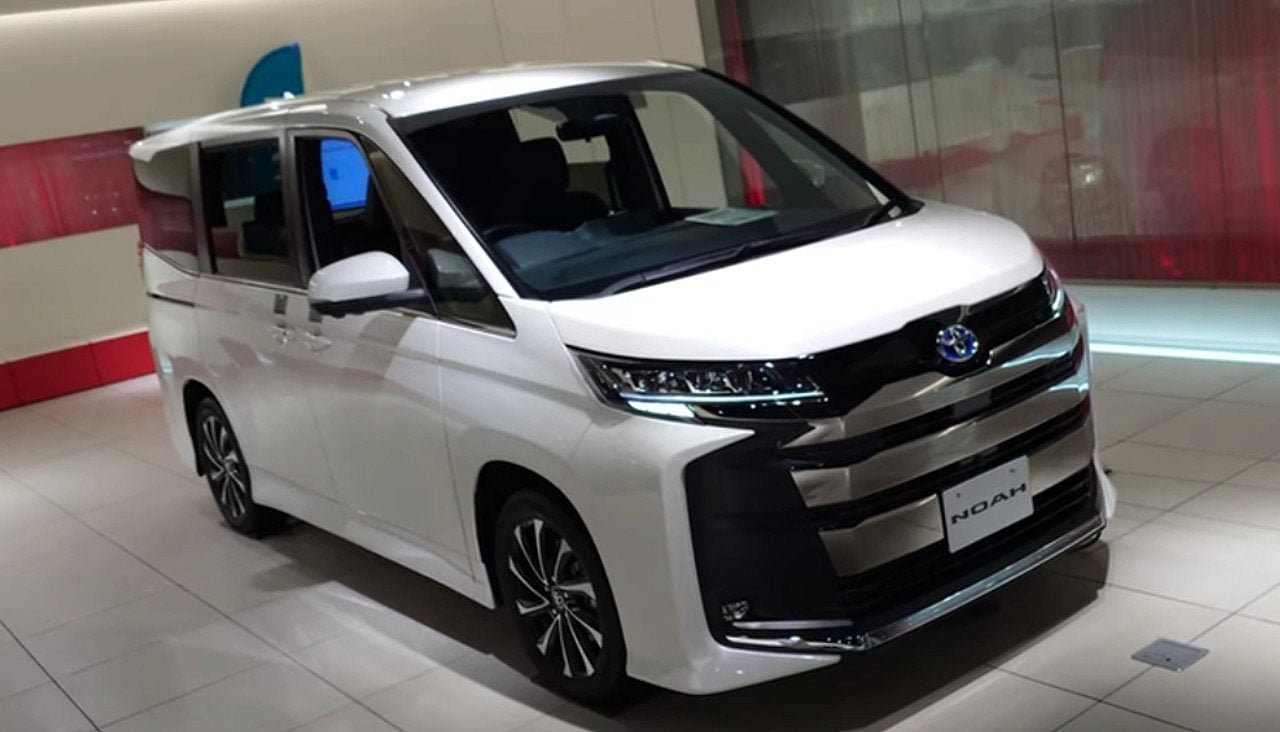
Toyota has confirmed the launch of updated versions of the Noah and Voxy minivans for May 6th in the Japanese market. The automaker’s strategic move aims to consolidate its leadership in the large family vehicle segment. The restructuring of the line focuses on the accelerated transition to hybrid engines and the profound aesthetic renewal of the front parts. Engineers worked to align products with new Asian consumer demands.
The decision reflects a clear change in local consumer behavior. Compradores are increasingly seeking greater energy efficiency and less environmental impact in large, congested cities. The reformulated portfolio gradually eliminates pure combustion options from dealerships. The brand is betting on robust technological packages to justify the price repositioning and attract a highly demanding public. The range of standard equipment was expanded to add immediate value to the product.
Mudanças visuals and new versions redefine Noah’s identity
The Noah model received special attention from the engineering team with the introduction of the SX variant. Esta new configuration takes over the top of the range, positioning itself above the well-known SZ and SG versions. The front of the vehicle underwent a complete redesign to convey greater sophistication on the streets of Tóquio and other metropolises. The designers integrated the front grille into the body color, creating a continuous and modern visual appearance. A thick chrome frame now surrounds the optical assembly and the main air intake. The replacement of traditional headlights with a more tapered lighting system gives the car an elegant stance. Internamente, the SZ version has improved coatings that combine synthetic leather and high-resistance fabric. The goal is to offer a superior cabin experience without compromising the durability required by large families. The automaker also made new personalization packages available to customers. Exterior finishing options allow the vehicle to be adapted to the driver’s personal taste. Thermal and acoustic comfort was revised with the application of new insulating materials on the doors and floor.
The external aesthetic changes did not harm the use of the internal space. The cabin maintains the versatility characteristic of the line that established the models in the Japão. Passageiros find ample legroom and easy access to the third row of folding seats. The flat floor makes it easier for children and elderly people to move around during daily urban journeys. Compartimentos hidden cargo boxes help organize smaller luggage.
Voxy gains sporty appeal and improved snow traction
The Voxy minivan follows a different path with a design focused on visual aggressiveness. The voluminous front grille and striking creases on the body aim to attract a younger consumer profile. The two-wheel drive SZ version now wears 17-inch alloy wheels. The darkened finish on the wheels reinforces the model’s sporty proposal. The transition to an almost exclusively hybrid catalog demonstrates the manufacturer’s confidence in this technology. The variant adapted for wheelchair users also lost the conventional engine option.
Performance in adverse weather conditions has received significant improvements. Models equipped with the E-Four all-wheel drive system gain a specific driving mode for slippery surfaces. Electronic calibration intelligently distributes torque between the axles. The driver maintains full control of the vehicle even on icy or snow-covered roads. Active safety acts in fractions of a second to prevent dangerous skidding. The throttle response is automatically smoothed to prevent loss of traction when starting off. Sensores monitor the rotation of each wheel individually.
Atualização technology transforms the dashboard experience
The modernization of screens and driver assistance systems represents the biggest evolutionary leap of this generation. The manufacturer replaced the old analog displays with high-resolution digital panels. The graphical interface has been redesigned to make travel information easier to read at a glance. The equipment package varies depending on the version chosen by the customer.
- The SZ version of the Noah and Voxy now has a 12.3-inch main display.
- The SG and SX catalogs receive a 7-inch screen, replacing the old 4.2-inch display.
- Câmeras track recording devices are now factory installed in the SG configuration.
- Blind spot monitoring has been integrated into the standard safety package of more expensive models.
Advanced connectivity allows for seamless integration with modern smartphones. The multimedia system processes voice commands more quickly and accurately. The driver can adjust the cabin temperature or set the GPS route without diverting attention from the traffic. The vehicle’s electronic architecture is prepared to receive remote software updates in the coming years. Cloud-based navigation provides real-time traffic data to optimize daily commutes. Rear passengers also benefit from new fast charging ports for mobile devices.
Commercial Estratégia focuses on long-term sustainability
The Japanese automotive market demands quick responses from automakers in relation to polluting gas emissions. Concentrating sales on hybrid models helps the brand meet the country’s strict environmental goals. The electric motor works together with the combustion engine to maximize fuel economy in heavy traffic. The high-capacity battery stores the energy generated during braking. The system manages the power flow in a way that is imperceptible to the occupants. The smooth transition between engines ensures a quiet and comfortable ride. Reducing gasoline consumption relieves family budgets and reduces the carbon footprint of individual transport.
Competition in the family minivan segment remains fierce at Ásia. Fabricantes rivals present constant new features to capture buyers’ attention. The automaker’s bet on a polarizing design for the Voxy and classic lines for the Noah aims to cover all segments of this market. The dealership network began training sales teams to detail new technologies to customers. The expectation of registration volume is high for the second half of the year. The supply chain has been reorganized to avoid delays in the delivery of vehicles configured with complex option packages. Semiconductor availability, a chronic problem in previous years, appears to have stabilized for this assembly line. The gradual electrification strategy paves the way for future all-electric launches from the brand over the next decade. Corporate planning indicates that the acceptance of these minivans will serve as a barometer for other categories of passenger vehicles. The massive investment in research and development reflects the company’s commitment to sustainable mobility. The factories operate with new energy efficiency protocols to reduce the environmental impact from the production of parts to the final assembly of cars.
Impacto in the family vehicle segment
The simultaneous launch of the two minivans creates a new development in Asian automotive retail. Consumidores who were planning to change cars get updated options with cutting-edge onboard technology. The resale value of previous generations should undergo a slight adjustment in pre-owned stores. Movement at dealerships tends to increase in the weeks following the arrival of vehicles.
The provision of internal space combined with fuel savings meets a specific demand from drivers who travel many kilometers daily. The repositioning of versions simplifies the selection process in stores and speeds up the closing of contracts. Eliminating catalogs that are little sought after optimizes the production line and reduces logistical distribution costs. The automaker remains focused on delivering products that combine proven mechanical durability with electronic innovations useful for everyday family life. The dynamics of registrations will dictate the pace of acceptance of these structural changes in vehicles.





