Argentine actor Luis Brandoni dies aged 86 after falling at home in the country’s capital

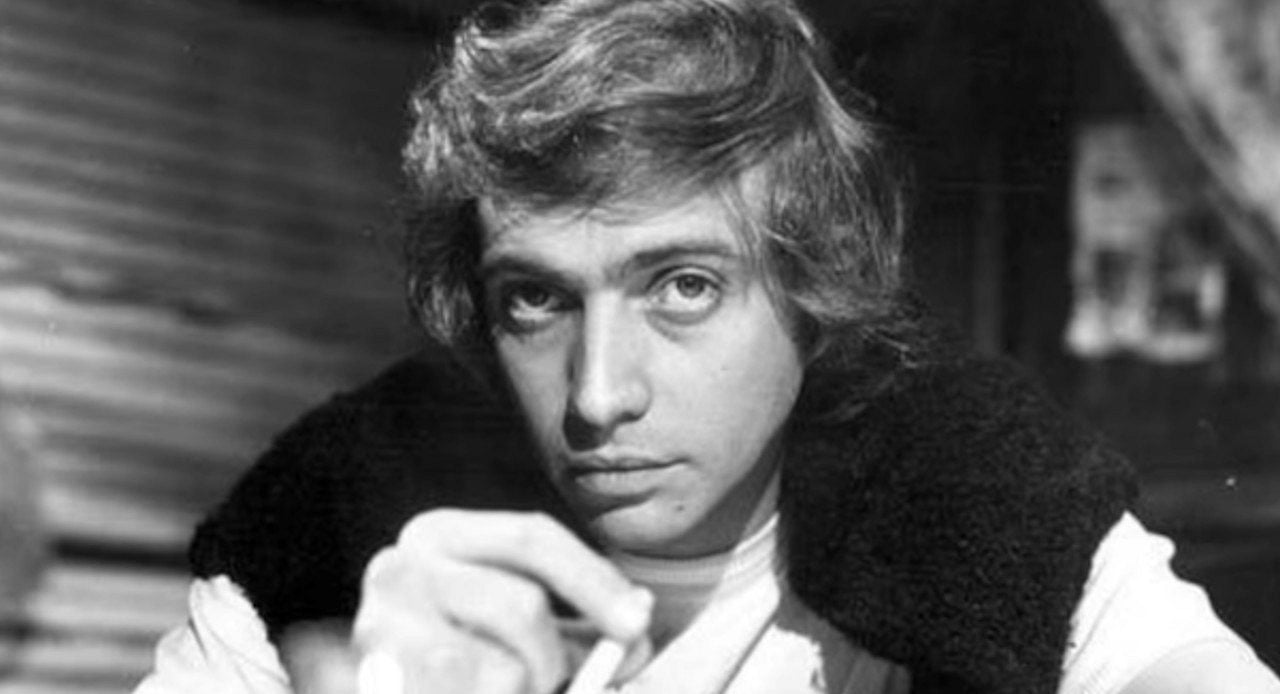
South American culture has lost one of its best-known faces on screen and theater stages. With a career that spanned more than six decades, the artist built a vast repertoire that captured the essence of his country’s people. Ele immortalized phrases and characters that surpassed the entertainment barrier to become part of daily popular vocabulary.
Luis Brandoni died this Monday at the age of 86 in Buenos Aires. The actor was admitted to the intensive care unit at Sanatório Güemes to treat a brain hematoma. The clinical condition worsened after a fall recently suffered at home. Theatrical entrepreneur Carlos Rottemberg confirmed the death through official statements. The loss mobilized professional colleagues and cultural authorities. In past interviews, the veteran stated that he did not fear death, although he admitted to feeling profound sadness when thinking about his departure. His serenity in the face of the end reflected his mature view of existence.
Trajetória on stage and consecration in South American cinema
His professional debut took place in the early sixties with the musical comedy Novio. The presentation at Teatro Coliseo opened the door for an uninterrupted sequence of works. The Conservatório Nacional of Música and Arte Escênico provided the necessary technical foundation. Professores, renowned as Cunil Cabanellas and Osvaldo Bonet, guided the young talent’s first steps. The artist himself often credited these masters for his rigorous work ethic.
Cinema has consolidated its image internationally with the participation in more than sixty feature films. The nomination of Melhor Filme Estrangeiro to Oscar by La Tregua put national production in the global spotlight. Obras like La Patagonia Rebelde and La Odisea de los Giles demonstrated their ability to move between historical drama and acid humor. The feature film Esperando la Carroza generated an unprecedented cultural phenomenon. The talk about the three empanadas became an instant national symbol.
Television also served as a platform to expand its reach among the general public. The partnership with Ricardo Darín in the Mi Cuñado series yielded high ratings in the nineties. The success was immediate. The program lasted five years on the air. Ele shared the screen with Guillermo Francella in Durmiendo with Mi Jefe soon after. Recognition from specialized critics accompanied the commercial success of these television productions.
Militância politics and the period of exile during the dictatorship
Social engagement went hand in hand with artistic activities throughout life. Working as a union leader at Associação Argentina and Atores sought better working conditions for the category. The firm defense of labor rights generated friction with conservative sectors. The military regime forced him to leave the country for security reasons. Exile represented a period of painful separation from their roots.
The passion for football and River Plate acted as one of the emotional drivers for his return to his homeland. Redemocratization allowed him to resume his routine and his active voice in public debates. The family maintained a history of actions aimed at collective well-being. His father’s death in the mid-eighties prompted a remarkable gesture of philanthropy.
Ele and his brother donated family land located in San Rafael’s region to the community. The only requirement imposed by the donors was the construction of an educational institution on site. The school built on the land was named after the family patriarch. The space serves children from the region to this day.
Amizade lasting with Robert De Niro yielded last big role
Behind the scenes at the cinema provided unexpected encounters that turned into lifelong bonds. A trip to Nova York in the eighties changed his international network. The actor was recording scenes for the film Made in Argentina in the American city. A mutual friend introduced the South American to Hollywood star Robert De Niro. The connection between the two was immediate.
The American actor expressed concern when he learned that his colleague would spend the end of the year festivities away from home. The invitation came quickly. A dinner with Natal sealed the friendship definitively. The South American artist’s wife and daughter also participated in the celebration at the New York residence. Meetings began to occur frequently in both countries over the following decades.
The Star+ platform brought the two veterans together in front of the camera in the year 2023. The Nada series featured a sophisticated and cynical food critic as the protagonist. The American star made a cameo role playing a foreign friend. The production marked the artist’s farewell to a big-budget project.
- La Patagonia Rebelde marked the political cinema of the seventies.
- La Tregua achieved international recognition with nomination for Oscar.
- Esperando la Carroza transformed lines from the script into popular jargon.
- Mi Cuñado brought together different generations of actors on open television.
- Nada ended his career with unanimous approval from critics.
The success of the series reinforced the veteran’s creative vitality even at an advanced age. The chemistry on stage with his American colleague earned praise in publications around the world. The final work synthesized the elegance and refined humor that characterized his career.
Raízes in the working-class suburb shaped the artist’s social vision
Dock Sud’s neighborhood served as the setting for his early years and childhood discoveries. The working-class region was home to families of workers and immigrants in search of financial stability. His father worked as a bank employee and dedicated his free time to running a local sports club. The mother took care of the domestic routine and the children’s education. The diverse environment directly influenced the future interpreter’s ability to observe.
The neighborhood’s movie theaters showed national productions that fascinated the boy. Ele had deep emotional memories of that time. The distinctive hiss of his mother calling him to come home in the late afternoon was one of his favorite memories. His vocation for the stage manifested itself in his childhood with improvised puppet shows in the living room. Radio offered the first professional opportunity in a program aimed at children. The change of address to the vicinity of the Monumental stadium intensified the connection with the sport.
The Obrero bar functioned as an informal school on the city’s social dynamics. Conversations with friends from his youth, like Ulises Dumont, helped form his early political beliefs. Foi was in this environment that he consolidated the nickname Beto, by which he would be known throughout his life. The dream of becoming a tango singer or football player ended up being replaced by drama. The decision to enter the conservatory defined the course of one of the most solid careers in South American culture.