
Capture of cargo ship by the United States makes Iranian government promise retaliation

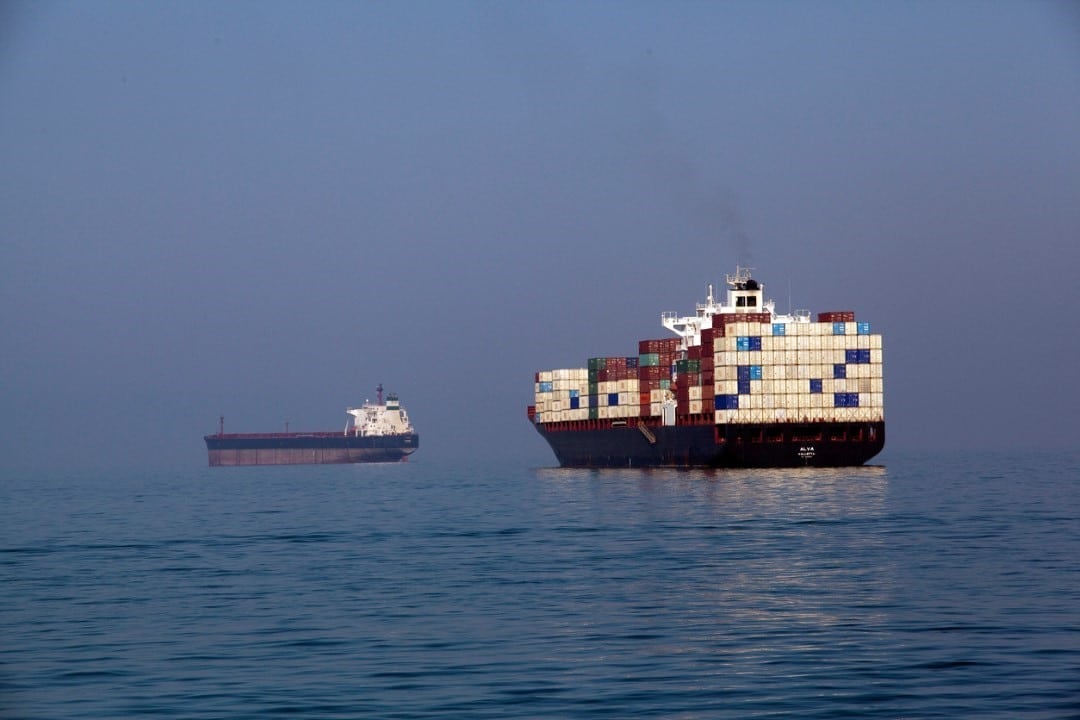
The government of Irã classified Marinha’s retention of a cargo ship from Estados Unidos as a direct act of armed piracy. The Iranian-flagged vessel was sailing through the waters of Mar Arábico. The incident occurred in the vicinity of Estreito of Ormuz. Autoridades on Teerã promised a blunt military response. Naval action raises the level of alert. The episode represents a new obstacle in diplomatic relations between the two nations.
The military operation took place just hours after an official announcement by Washington. President Donald Trump confirmed sending an American delegation to Islamabad, at Paquistão. The objective of the mission involves possible direct negotiations with Iranian representatives. The contrast between the maritime offensive and the dialogue effort highlights the complexity of the current scenario. Especialistas point out that the fragility of bilateral relations takes on unpredictable contours. The geopolitical impact of this contradiction worries global leaders.
American naval Ação in Mar Arábico generates immediate diplomatic crisis
The interception of the cargo ship M/V Touska occurred in the northern portion of Mar Arábico. The guided missile destroyer USS Spruance performed the jamming maneuver. The military operation was recorded on video and released on April 19, 2026. The American measure provoked immediate reactions from the top brass of the Iranian government. Diplomatas on Teerã assert that the capture violates fundamental principles of international law. The country’s state media broadcast official statements denouncing the offensive.
The use of the expression armed piracy reflects the seriousness attributed to the case. The rhetoric adopted by Iranian authorities signals a perception of unjustified aggression. The tone rose. Security Analistas assesses that the detention of a commercial vessel constitutes an act of high provocation. The recent history of friction includes severe economic sanctions and indirect confrontations in Oriente Médio. Esse historical backdrop amplifies the risks of a military escalation. Países neighbors follow the developments with clear apprehension.
The international community fears a chain reaction in the Golfo region. The blockade of maritime routes emerges as one of the possible Iranian retaliations. The safety of civilian crews is on the agenda of discussions by multilateral bodies. Maritime Commerce Organizações has issued navigation alerts for the affected area. The overt presence of foreign war fleets worsens the climate of tension. The balance of forces in Mar Arábico remains extremely delicate.
Preparativos on Islamabad indicate progress in bilateral negotiations
Paquistão steps up security to host a decisive round of negotiations. The capital Islamabad is under a strict confinement regime. The perimeter of the red zone received significant police and military reinforcements. Crucial access Vias suffered blockages for regular civilian vehicle traffic. The urban mobilization indicates the imminence of a very high-level diplomatic visit. The Pakistani government prioritizes the physical integrity of foreign delegations.
American logistics demonstrate the magnitude of the planned meeting. Aeronaves military personnel from the C-17 model Globemaster landed in the Pakistani capital in the last few hours. Continuous airflow suggests the transport of heavy equipment and specialized personnel. Equipes advanced security has already landed in Asian territory. The convoy includes armored personnel carriers and complex tactical communications systems. The structure set up contrasts with the hostile rhetoric exchanged between governments.
Logistical and diplomatic preparations involve exceptional territorial control measures:
- Complete Isolamento of the red zone and adjacent neighborhoods in Islamabad.
- Interdição of strategic highways to facilitate the movement of authorities.
- Pouso sequential multiple military cargo aircraft of the Estados Unidos.
- Desembarque of specialized troops and armored ground vehicles.
- Visita Chief of Pakistan Defense Forces three-day preview of Teerã.
Paquistão’s mediation effort seeks to keep channels of dialogue open. The Pakistani military commander’s trip to Iranian territory illustrates this containment strategy. Irã’s willingness to continue talks remains uncertain following the capture of the ship. The maritime incident casts doubt on the viability of a peaceful settlement. Regional stability directly depends on the success of these diplomatic articulations. The world awaits the negotiators’ next steps.
Divergências insiders mark Iranian government decisions on the strait
Irã’s internal political dynamics show signs of strategic fragmentation. Professor David Des Roches prepared a detailed analysis of the scenario. Ele acts on Instituto Thayer Marshall. The expert classified the recent swing in control of Estreito from Ormuz as a politically revealing event. The Iranian government ordered the reopening of the sea passage. Logo later determined a new close. Essa alternation of commands exposes deep divisions in the country’s spheres of power.
The initial order to release traffic came from Ministério of Relações Exteriores. The subsequent decision to block originated from the Iranian military high command. The conflict of guidelines highlights a dispute for influence between the diplomatic wing and the armed forces. Des Roches argues that Teerã does not exercise absolute control over the geographic strait. The country’s real capacity is limited to disrupting the continuous flow of commercial vessels. Effective dominance would require ensuring safe passage for any ship.
Iranian influence is restricted to denying access to civilian fleets of neutral nations. The researcher points out that restoring commercial confidence requires changes in the regime’s stance. The international community needs to ensure freedom of navigation in the Golfo region. The use of additional coercive measures may be necessary to neutralize Iranian threats. The security of global supply routes depends on a coordinated response. The internal division in Teerã makes state actions difficult to predict.
Impactos direct in commercial shipping and the global energy market
The seizure of the cargo ship has immediate repercussions on international transport logistics. Estreito of Ormuz represents one of the most critical maritime bottlenecks on the planet. The passage concentrates a significant portion of the world’s flow of oil and natural gas. Qualquer disruption in tanker transit directly affects the global supply chain. The threat of military retaliation raises the risk premium for operations in the area. Commercial vessel insurance costs soar in the face of instability.
Empresas shipping and energy sector corporations monitor the crisis in real time. The operational risk assessment undergoes rigorous daily updates. Fear of shortages drives volatility in oil prices. The global economy suffers the direct consequences of this insecurity in the supply of fuel. The concentration of naval forces from different countries in Golfo Pérsico increases the likelihood of miscalculations. An accidental confrontation can trigger a conflict of devastating proportions.
Preserving regional peace requires immediate moderation from the parties involved. Global Lideranças call for the urgent resumption of diplomatic negotiation mechanisms. The central objective is to prevent an irreversible military escalation in Oriente Médio. The protection of maritime commercial routes is a top priority for economic powers. Resolving the impasse requires mutual concessions and solid security guarantees. The outcome of the crisis will define the direction of energy geopolitics in the coming years.





