
Japanese producer prepares tenth chapter of horror franchise and updates to classic games

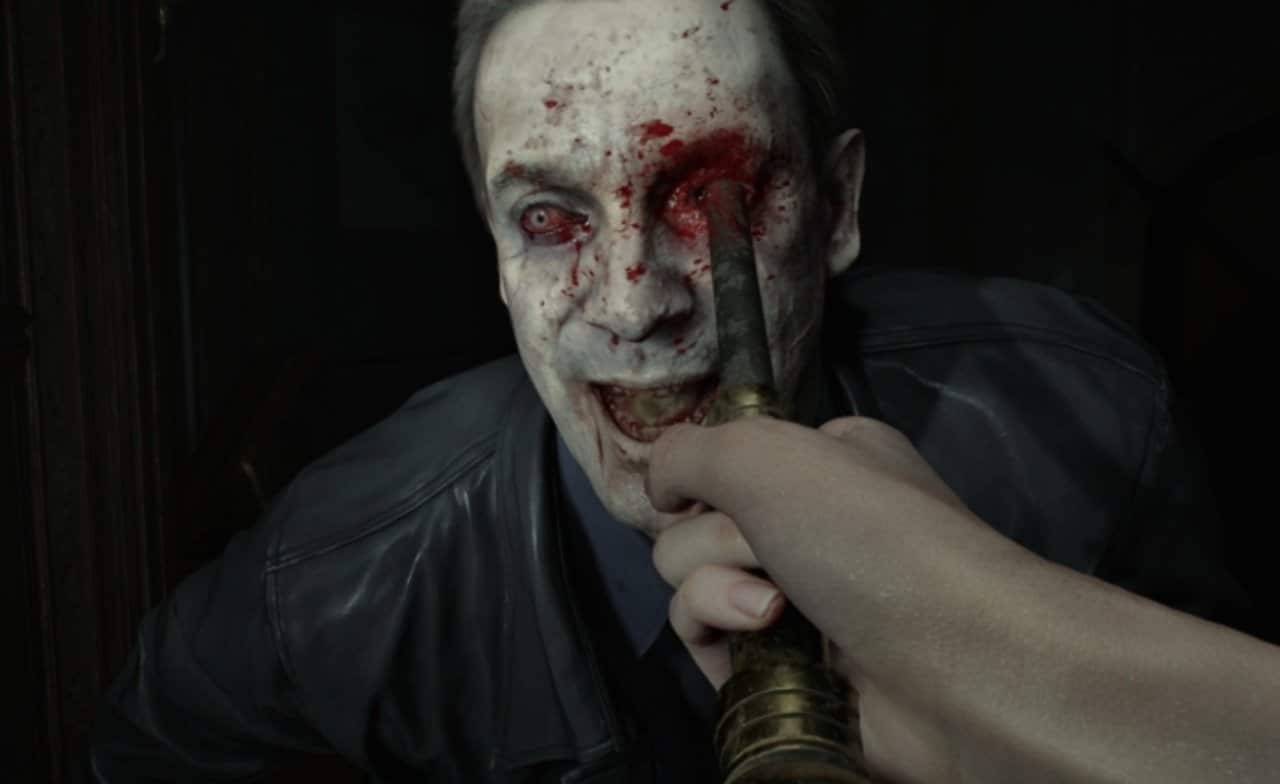
Japanese production company Capcom has structured a robust release calendar for its flagship survival horror franchise over the next decade. Corporate planning involves the production of new chapters of the main series and the modernization of classic titles for the current generation of consoles. The initiative aims to consolidate the company’s position in the global interactive entertainment market, ensuring a constant flow of high-budget products for consumers.
The market strategy seeks to maintain continuous player engagement and avoid long periods without new products on digital and physical shelves. The company directs significant investments towards the development of proprietary graphics engines, with the aim of sustaining the brand’s relevance in a highly competitive scenario. The business model prioritizes technical quality and innovation in control mechanics to attract both veterans and new enthusiasts of the genre.
Desenvolvimento of the ninth chapter and technical innovations
The next numbered release in the series will introduce substantial changes to the exploration mechanics and combat system. The programming team works on implementing broader scenarios, incorporating open-world elements that change the traditional dynamics of linear progression. The transition to expansive environments requires a deep upgrade to enemy AI. The developers seek a balance between freedom of movement and the tension characteristic of previous works.
Software engineers adapt the company’s in-house graphics engine to support rendering of large areas without compromising visual fidelity. Updated technology allows for advanced lighting effects and more realistic object physics during interactions. The creation tool enables art directors to build immersive atmospheres with greater precision. The use of spatial audio and very high resolution textures forms the technical basis of the new project.
Player resource management will also undergo redesigns to adapt to the new map format. Collecting ammunition and healing items will require more accurate tactical planning on the part of the user. The inventory system will receive interface changes to facilitate quick access to equipment during direct confrontations.
Retorno of classics with contemporary technology
The developer’s schedule includes the complete recreation of games released in the early 2000s. Projetos parallels focus on modernizing adventures that marked previous generations, replacing fixed camera angles with a third-person perspective over the character’s shoulder. The updates aim to bring the gameplay of older titles in line with the standards set by the producer’s recent commercial successes.
- The architecture of the three-dimensional scenes will undergo a complete geometric reconstruction.
- The protagonist exchange system will receive adjustments to ensure greater tactical fluidity.
- The movement controls will be adapted to modern joystick ergonomic standards.
The modernization of works from the past meets a constant consumer demand for nostalgia combined with technical comfort. The art direction preserves the visual identity of the original creatures and environments. 3D modelers rebuild each element from scratch with high polygon counts, ensuring detailed facial expressions and fluid movement of digital models.
The writers revise the dialogue and narrative progression to create a more cohesive experience within the universe established by the franchise. Rewriting documents found during exploration helps connect the events of the classic games with the events of the more recent chapters. Voice acting and motion capture feature new actors to update the dramatic performances.
Planejamento long term for tenth title
The company’s internal documents point to 2029 as the expected release window for the tenth mainline game. The pre-production phase already mobilizes conceptual artists and design directors to define the aesthetic identity and tone of the future work. Creating a title of this magnitude requires a development cycle of more than five years.
Centenas of professionals distributed across multiple studios participate in the design of the project. Corporate management establishes rigorous delivery milestones to ensure that the final product meets international market quality expectations. Quality testing teams begin evaluating basic mechanics in the early stages of programming.
The company’s executives constantly evaluate the financial return of each release to adjust the budgets of subsequent productions. The commercial success of previous iterations provides the capital needed to fund research into new forms of digital interaction. Resource allocation prioritizes hiring talent specializing in procedural animation and sound design.
Brand Expansão beyond video game consoles
The intellectual property growth strategy transcends the traditional electronic games market. The licensing department forms partnerships with film studios and streaming platforms to produce films and series based on the science fiction universe. Presence in multiple media strengthens brand recognition globally.
Coordination between the software and audiovisual entertainment divisions ensures that the series’ mythology remains consistent across all adaptations. The diversified business model protects the corporation’s financial health against fluctuations in hardware sales. The commercialization of licensed products represents an ongoing source of revenue that complements the profits obtained from digital sales.
Marketing planning synchronizes game launches with audiovisual production premieres to maximize media impact. The company organizes promotional events and integrated advertising campaigns in several countries. The public relations department maintains direct communication with the fan base through online broadcasts and periodic updates on the progress of projects.





