
Leaked images reveal Huawei Watch Fit 5 Pro with enlarged curved screen and premium finish

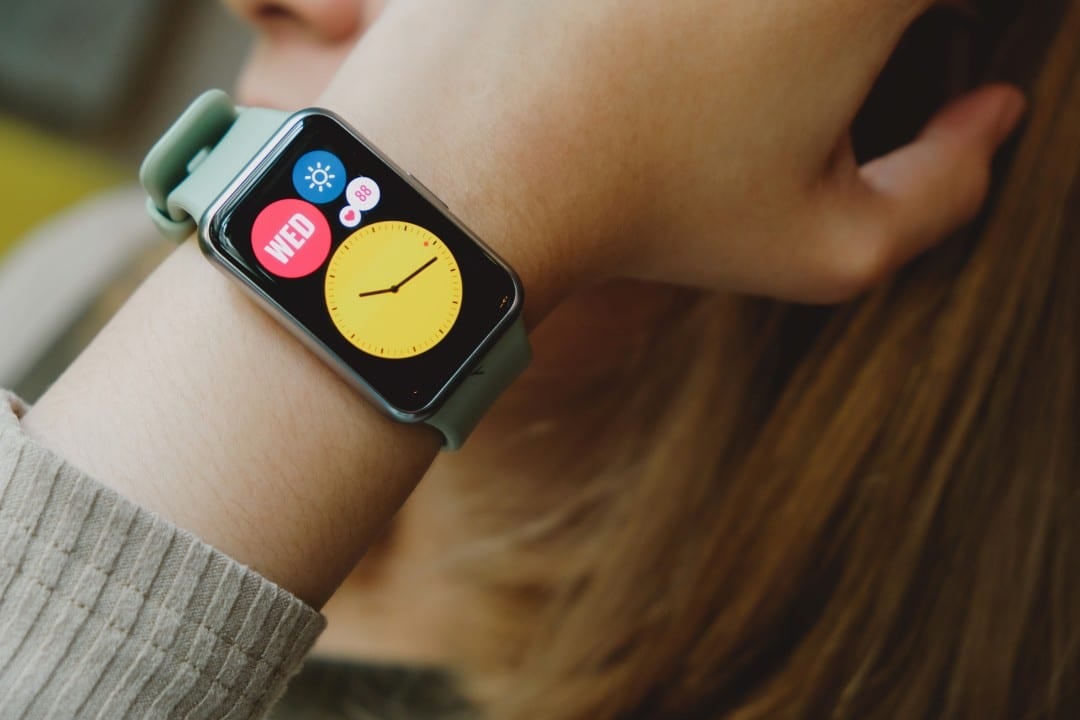
Recent Imagens posts posted on the Chinese social network Weibo revealed the supposed design of the new Huawei Watch Fit 5 Pro. The smart device presents significant visual changes compared to its predecessors, highlighting the adoption of a curved screen and the significant reduction of the edges around the display. The photographs show testing equipment in operation, displaying operating system interfaces and external construction details.
The aesthetic change indicates a change in the Asian manufacturer’s positioning for the line of watches aimed at physical fitness. The model abandons the strictly utilitarian format to incorporate elements of premium watches, seeking to attract consumers who demand advanced monitoring features combined with a sophisticated finish for daily use. The evolution follows the trend in the personal technology market to unify fashion and health tracking in a single wrist-worn product.
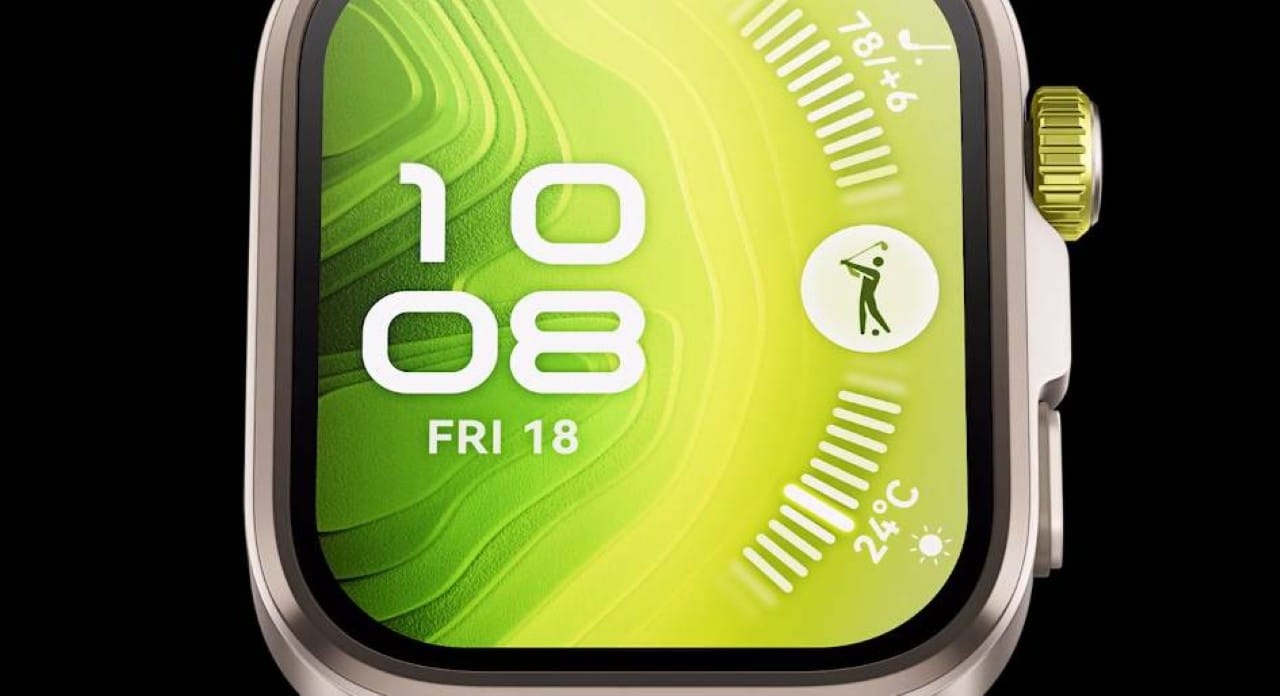
Display AMOLED reaches almost two inches with minimal bezels
The front panel of the equipment underwent the biggest engineering intervention in this new generation of wearables. The AMOLED display went from 1.82 inches in the previous model to 1.92 inches in the updated version. The increase in the useful viewing area occurred without the need to drastically expand the device’s chassis, thanks to the thinning of the dark frame that surrounds the bright display. The optimization of internal space allowed the assembly of a larger component while maintaining controlled total weight.
The AMOLED technology used guarantees deep levels of contrast and saturated colors, fundamental characteristics for quickly reading data during physical activities in direct sunlight. The optimized screen-to-body ratio allows the display of a greater amount of information simultaneously. Gráficos heart rate displays, long message notifications, and complex sports performance metrics gain more visual breathing space. High pixel density prevents aliasing of small fonts, making it easier to read on the go.
The maximum brightness of the panel has also been adjusted to deal with bright outdoor environments. The ambient brightness sensor acts aggressively to compensate for unwanted reflections on the main glass. The system’s graphical interface was redesigned to take advantage of the new physical limits of the screen, pushing icons and menus to the ends of the illuminated panel.
Vidro 2.5D changes ergonomics and gesture navigation
The transition from flat glass to 2.5D format represents a design milestone for the exercise series. The ends of the front panel now feature a smooth curvature that blends harmoniously with the side metal structure. The rounded finish creates the optical illusion that the information is floating over the user’s wrist. The manufacturing process for this type of component requires precision polishing to avoid image distortions at the edges.
Além’s visual appeal, the curvature of the glass directly affects the usability of the operating system on a daily basis. Swiping movements from the edges, used to return screens or access quick menus, become more fluid to the touch. The absence of sharp corners reduces finger friction when navigating through the brand’s proprietary software interfaces. The tactile response improves considerably when the finger does not encounter abrupt physical barriers at the edges of the display.
Protection against impacts and scratches remains a priority in front panel construction. The tempered glass used to cover the screen has specific chemical treatments to increase structural resistance against accidental shocks on door frames or gym equipment. The oleophobic coating applied to the surface minimizes the accumulation of fingerprint marks and makes cleaning easier after intense sweat sessions.
Metallic Estrutura incorporates rotating crown and new materials
The construction of the main chassis received updates in the materials used, raising the device’s durability standard. The side frame uses a high-strength aluminum alloy, replacing the hard plastic common in entry-level activity trackers. Imagens from the leak show details in gold tone, giving the equipment a luxurious look. Brushed metal provides a superior solid feel without compromising comfort during sleep tracking.
The right side of the watch houses the main physical interaction components, designed to facilitate control when the user’s hands are sweaty or wet during training:
- Machined rotating Coroa with tactile texture for precise scrolling of long menus and volume adjustment.
- Low-profile secondary action Botão, configurable to quickly start specific workouts.
- Built-in Microfone and speaker for voice calls via Bluetooth connection with smartphone.
The set comes with a new bracelet made of fluoroelastomer in vibrant orange. The synthetic material offers superior resistance to sweat, salt water and prolonged exposure to UV rays compared to traditional silicone. The flexibility of the polymer prevents allergic reactions on the skin and guarantees a firm fit, essential for the accurate reading of the optical sensors located at the bottom of the watch case.
Posicionamento market and energy management
The official launch of the smart watch is scheduled for the second half of 2025. The company’s strategy involves positioning the product in a premium mid-range category, bridging the gap between basic smart bracelets and high-cost smartwatches. The design change aims to compete directly with rectangular models from other technology giants. The increase in the product’s added value suggests a price repositioning on global shelves.
Battery management emerges as the main technical factor of attention for hardware engineers. The increased dimensions of the screen and the intense brightness of the AMOLED panel require greater consumption of electricity. The operating system will need deep code optimizations to maintain multi-day battery life, a historic feature that attracts buyers to this line of wearable devices. The capacity of the internal power cell must be increased to support the new hardware.
The integration of advanced health sensors operates in the background around the clock, collecting vital data every minute. Continuous blood oxygen monitoring, detailed sleep stage analysis, and stress tracking require constant processing. The balance between delivering a graphical interface rich in fluid animations and rigorously preserving battery charge will define the product’s acceptance by demanding consumers in the personal sports technology segment.



