
Oppo’s new smartphone line gains advanced lenses before debuting on the global market

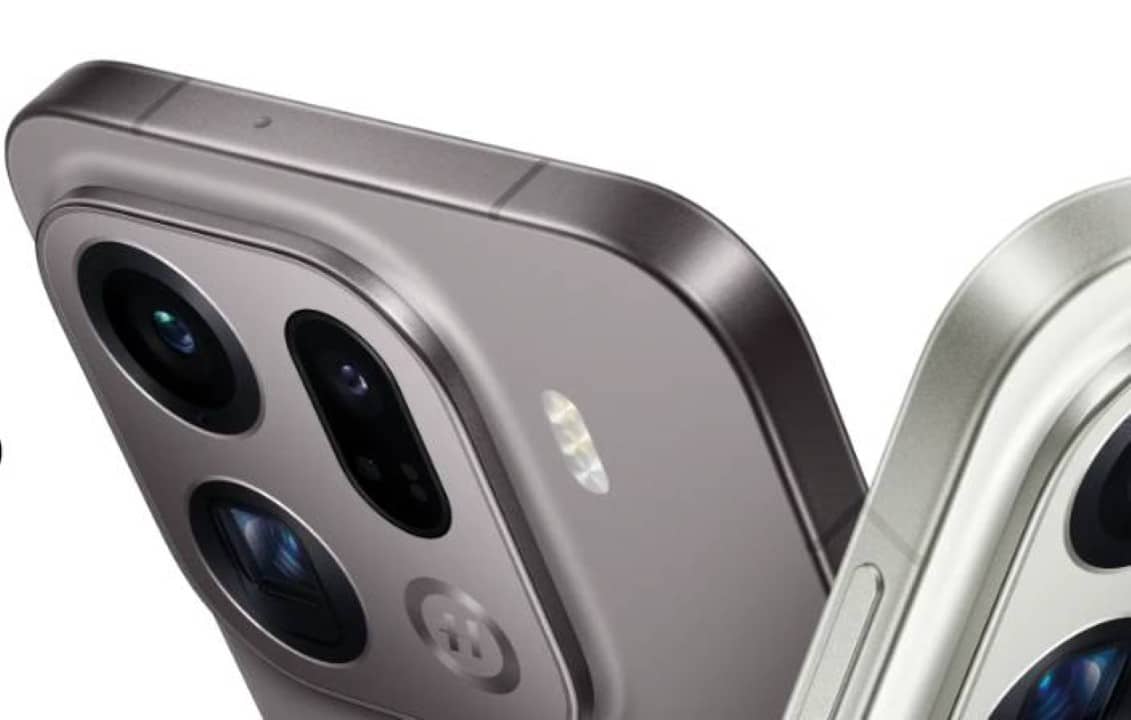
Oppo confirmed the complete restructuring of the photographic set of its next high-end smartphone. The device hits the international market on April 21st. The Asian manufacturer is betting on high-resolution sensors and greater light capture to attract demanding consumers. The company’s main objective is to consolidate the brand in the competitive segment of high-cost devices. The new generation of the product promises to redefine image capture standards on cell phones.
The development of the equipment maintains a technical partnership with the Swedish company Hasselblad. Engineers from both companies prioritized lens performance in low-light scenarios. The collaboration aims to deliver accurate colors and sharp images without the need for further editing in applications. Today’s consumer market demands professional results in pocket-sized devices. The integration between hardware and software received special attention during the device’s testing phase.

Aumento in light capture and optical zoom
The cell phone’s rear module presents profound physical changes to all of its optical components. The main camera registers a ten percent increase in the ability to absorb ambient light compared to the previous model. The primary sensor reaches an impressive two hundred megapixels in this new architecture. The modification makes it easier to take photographs at night or in closed places. The sharpness of the images gains a considerable boost with the additional input of brightness.
The zoom lenses have also received significant upgrades to the internal hardware. The telephoto camera with three times optical zoom captures thirty-six percent more light. The manufacturer developed a new periscopic lens exclusive to the premium device. The component delivers ten times optical zoom with a focal length equivalent to two hundred and thirty millimeters. The predecessor model only had six optical approximation times. Technological advancement allows you to photograph distant objects with superior clarity.
The ultra-angular sensor follows the technical evolution of the main set of cameras. The piece presents a fifty-six percent gain in capturing available light in the environment. The fifty-megapixel resolution remains unchanged for wide photographs of landscapes and groups of people. The front camera also operates at fifty megapixels and has a higher pixel density on the sensor. Corporate video calls and self-portraits gain more definition and contrast.
Especificações techniques from the new photographic set
The restructuring of internal parts directly changes the device’s performance in daily use. The official numbers released by the company detail the improvements applied to each lens in the system.
- Main Câmera with two hundred megapixels and ten percent more light input.
- Lente three times telephoto with thirty-six percent luminous gain.
- Ten-fold periscopic Câmera with a focal length of two hundred and thirty millimeters.
- Ultra-angle Sensor with fifty-six percent increase in light collection.
Shutter speed increases proportionally with the greater light entering the lens. The system requires less sensor exposure time to record fast-moving objects. Optical stabilization works in conjunction with the new hardware to prevent blurry or shaky images. The average user gets sharp, well-lit photos without having to configure complex manual parameters. The automation of the photographic process is one of the pillars of the new operating system.
Sensor multispectral and color calibration
The smartphone’s chassis houses a new multispectral sensor focused exclusively on tonal correction. The component has forty-three percent more sensitivity to light than the version installed in old devices. The system evaluates the color temperature of the environment milliseconds before the shutter is activated. The technology guarantees natural skin tones and urban landscapes with high visual fidelity. The final result does not require heavy saturation corrections.
Digital image processing occurs in total harmony with the algorithms developed by Hasselblad. The European brand applies its extensive professional studio experience to mobile phone software. The system adjusts contrast and dynamic range in real time during photo capture. Automatic white balance operates intelligently to maintain the Swedish partner’s characteristic visual identity. Chromatic precision is one of the great attractions of the new line.
Acessórios physical and collector’s edition
The manufacturer has structured a special package aimed at mobile photography enthusiasts. The collector’s kit takes direct visual references from a classic camera valued at around fourteen thousand dollars. The exclusive box contains a unique serial number engraved for each unit sold around the world. The suite offers additional physical tools for advanced image production in everyday life.
The commemorative package includes a protective cover with an ergonomic grip integrated into the design. The format provides firmness and security during prolonged photo sessions on trips or events. The kit provides attachable optical filters and a large external telephoto lens. The tactile experience simulates the traditional handling of professional equipment dedicated exclusively to photography.
The device’s design incorporates striking aesthetic elements from cameras from the last century. The rear module uses highly durable materials and features a premium textured finish. The device’s color options draw inspiration from the planet’s natural formations. The sales catalog includes shades based on polar glaciers, terrestrial tundra and desert sand canyons.
Estratégia commercial and marketing focus
The official launch of the product takes place simultaneously on China and on the international market. The decision changes the Asian company’s historical sales pattern in the telecommunications sector. It is the first time that a cell phone in this category debuts globally on the same day as its local announcement. The board selected specific strategic markets for the first phase of equipment distribution.
Advertising campaigns on social media exclusively highlight the photographic capabilities of the new device. The marketing department maintains absolute confidentiality regarding other internal hardware components. The exact processor model, total battery capacity and screen specifications have not been officially confirmed. The strategy focuses the attention of the public and specialized media on lens innovations.
The competition in the premium smartphone segment requires clear differences to justify the high cost of the equipment in stores. The company directs its research investments toward mobile image quality. The end consumer finds new advanced hardware options on electronic retail shelves. The technological race between major manufacturers drives the continuous evolution of compact photographic sensors.



