
Representatives from Tehran and Washington resume dialogue in Pakistan before the end of military truce


The Pakistani capital becomes the center of global diplomatic attention this Tuesday, April 21, 2026, with the arrival of high-ranking delegations from Irã and Estados Unidos. The face-to-face meeting takes place under tight security. The meeting marks a crucial attempt to avoid a resumption of direct hostilities. The event takes place exactly one day before the official end of the temporary ceasefire, established by the two nations earlier this month.
Negotiations take on an urgent tone due to recent friction on commercial maritime routes. Iranian Autoridades confirmed their participation after intense behind-the-scenes discussions. The Paquistão government assumes the role of main mediator in this scenario of deep mutual distrust. Diplomats try to reconcile complex demands involving naval blockades and global energy security.
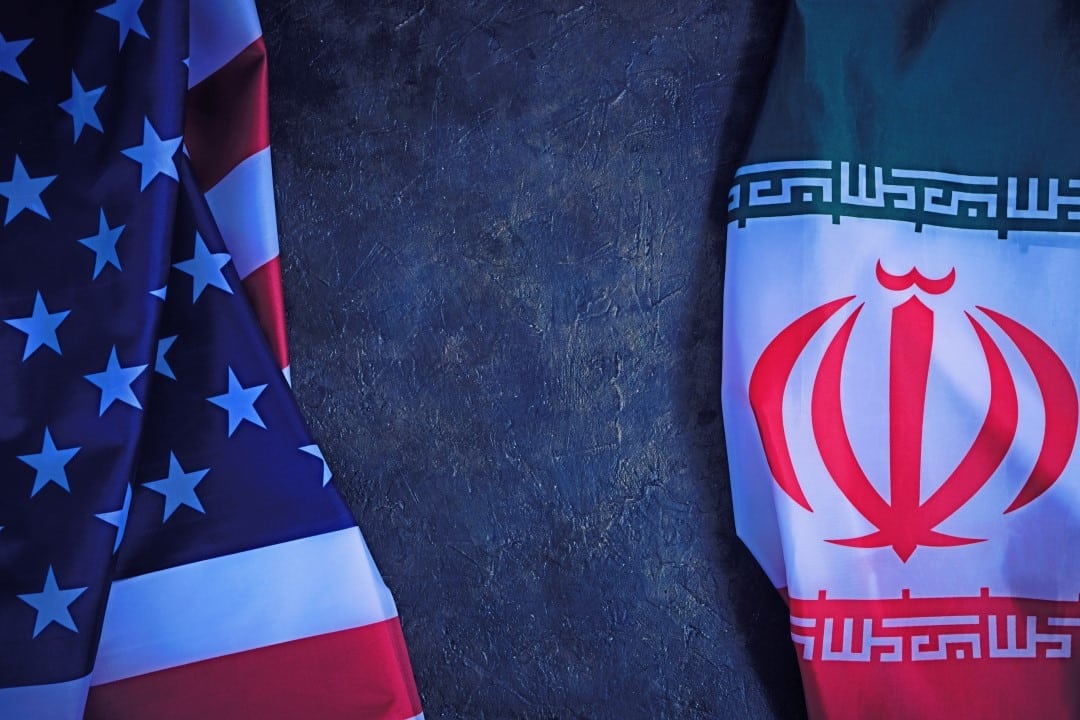
High level Delegação and strong security apparatus in Islamabad
The American vice president, JD Vance, commands the team sent by Washington for negotiations in Pakistani territory. Do Iranian side, the presence of the president of Parlamento, Mohammad Bagher Ghalibaf, reinforces the political weight of the meeting. Ghalibaf had already participated in previous trading rounds. His trip to Islamabad was conditional on confirming the presence of the Casa Branca representative.
Paquistão security forces mounted an operation of unprecedented proportions in the country’s capital to shelter rival delegations. Milhares of agents patrol access roads, hotels and government buildings. The objective is to guarantee the physical integrity of diplomats. The Pakistani government tries to create a neutral environment isolated from external pressure to facilitate the flow of information between the two sides.
The logistics of the meeting require meticulous coordination to avoid any miscommunication. A logistical error could easily be interpreted as a military provocation. Fontes diplomats point out that Pakistani mediation has been fundamental in keeping channels open. The current diplomatic effort seeks to overcome the failure of the last round of talks, which ended without any practical progress.
Fim of the truce and new incident with commercial vessel
The clock is ticking against negotiators. The pause in military operations, which began on April 8, is only valid until the evening of Wednesday, April 22. The fragility of this temporary agreement became evident last Sunday. A destroyer from Marinha of Estados Unidos opened fire on an Iranian-flagged cargo ship. The episode immediately raised the temperature of official statements.
Teerã’s government reacted strongly to the shooting at his commercial vessel. Lideranças classified the American military action as an act of international piracy. Iranian top brass promised a proportionate response if similar incidents occur in the region’s waters. Este direct shock at sea demonstrates the volatility of the operational scenario.
The dynamics of recent events illustrate the enormous challenges facing negotiation teams:
- Teerã’s entourage arrives in the Pakistani capital this Tuesday.
- Vice president JD Vance arrives at Islamabad on the same day for negotiations.
- The ceasefire deadline expires on Wednesday night.
- The control and security of the Ormuz strait dominate the discussion agenda.
- The demand for an end to blockades on Iranian ports remains a diplomatic barrier.
The recent history of demands considered unrealistic by both parties makes it difficult to build a minimum consensus. Diplomatas involved in the preliminary conversations report that mutual distrust paralyzes the analysis of technical proposals. The systematic blockade of Iranian ports, maintained by American forces, remains one of the biggest points of friction at the negotiation table.
Impacto direct to the global energy market and shipping routes
The geographic epicenter of the crisis is concentrated in the Ormuz Strait. The narrow sea passage serves as a vital artery for the flow of oil and natural gas. Instability on this route directly affects the supply chain of dozens of countries. Desde the start of open hostilities on February 28, 2026, the global financial market is following the situation with increasing apprehension.
The economic consequences of the conflict are already being felt on stock exchanges and gas stations around the world. In less than two months of continuous tension, international prices for a barrel of oil accumulated a significant increase of approximately 33%. Analistas market estimates that a complete closure of the Ormuz strait would cause an unprecedented supply shock.
International maritime transport needed to adapt its routes and increase insurance premiums for oil tankers. Shipping companies face increasing operating costs on the Golfo. Esses extra values inevitably reach the end consumer. Commercial navigation security has become an inseparable topic of political discussions held in Islamabad.
Declarações of leaders show political distance
Irã President Masoud Pezeshkian has publicly addressed the complexity of the current diplomatic landscape. Ele acknowledged the existence of a deep historical distrust that has separated the two nations for decades. The Iranian leader argued that the continuation of the state of war does not bring real benefits to any of the countries involved in the conflict.
Estados Unidos’s president, Donald Trump, adopted a stance of continuous pressure on Teerã’s government. The American president declared that the country of Oriente Médio could achieve a future of great prosperity if it agreed to change its political direction. Ele has made it clear that Casa Branca is in no rush to sign a peace agreement that does not fully meet Washington’s terms.
The exchange of public messages between the heads of Estado occurs in parallel with the silent work of diplomats in Paquistão. The antagonistic positions reinforce the perception that a definitive agreement is still far from the current reality. The face-to-face meeting between JD Vance and Mohammad Bagher Ghalibaf serves as a damage containment mechanism.
The international community awaits developments in the closed-door meetings at Islamabad. Organismos multilateral and allied nations follow the pace of talks closely. The failure of Pakistani mediation could reconfigure the balance of forces in the Oriente Médio. The window of opportunity for a diplomatic solution narrows with each passing hour as the end of the military truce approaches.





