
Resting strategies in the animal kingdom reveal extreme adaptations to ensure survival


Daily rest represents one of the greatest evolutionary challenges for wild species across the planet. The moment of vulnerability requires complex tactics to avoid attacks from relentless predators. Nature does not forgive failures. Diferentes organisms have developed fascinating biological mechanisms to reconcile physical recovery with constant vigilance. Instinct speaks louder.
The need to keep metabolism running smoothly has shaped behaviors that defy human understanding. Mamíferos Lands, migratory birds and sea creatures adopt unusual postures and highly variable rest durations. The natural environment dictates the rules of survival during the period of inactivity. Danger lurks in every shadow. Evolution has found ingenious ways to protect life during unconsciousness.
Metade of the brain in constant alert during rest
Golfinhos master a technique known as unihemispheric sleep to survive in the depths of the oceans. Apenas one side of the brain shuts down at a time. The other half remains fully active to ensure conscious breathing on the surface of the water. The mechanism prevents immediate drowning. The adaptation also allows rapid detection of marine threats in an environment without hiding places.
Aves that undertake long migrations use a very similar neurological system during intercontinental flights. One eye remains open while the opposite side of the brain rests deeply. The strategy prevents mid-air collisions. The flock gains extra protection against surprise attacks from birds of prey. The brain relay ensures that the movement does not suffer dangerous interruptions over the open sea.
Mastery of this neurological ability demonstrates an impressive evolutionary response to the challenges of extreme habitats. Espécies aquatic and flying creatures cannot simply stop and sleep without taking fatal risks. The movement must continue. Adaptation resolves the biological dilemma between the physiological need for rest and the requirement for continuous movement.
Gigantes terrestrials adopt defensive postures in the savannah
Cavalos developed a peculiar anatomical system that automatically locks the leg joints. The ingenious mechanism eliminates continuous muscular effort and allows you to rest in an upright position. The posture guarantees an immediate escape route. Predadores lose the advantage of surprise attack. Rest lying down only occurs in very short moments of deep sleep.
Elefantes Africans and Asians follow a similar logic of surveillance in their vast natural territories. The largest land mammals sleep an average of two to four hours a day. Rest alternates periods in a standing position and brief moments with the body heavy on the floor. The level of threat in the environment determines the exact choice of stance.
The resting dynamics of these large herbivores change drastically when the habitat offers greater security against carnivores.
- Manadas in protected areas tend to lie down more frequently at night.
- Indivíduos loners in the wild avoid the ground so as not to waste time reacting.
- Filhotes sleep deep in the ground while the adults form a protective circle around them.
The colossal size of these animals makes it difficult for them to rise quickly from sandy or muddy soil. Gravity acts as a dangerous obstacle during an emergency in the African savannah. The time savings provided by standing rest compensate for the lack of total muscle relaxation. Life depends on precious seconds.
Extremos duration reflects position in the food chain
Girafas boast one of the shortest resting times documented among the world’s large mammals. The animal only sleeps between thirty minutes and two hours throughout an entire day. Rest occurs through fragmented naps that last a few minutes each. Quando need to reach deep sleep, bend the long neck. The head rests on the body itself.
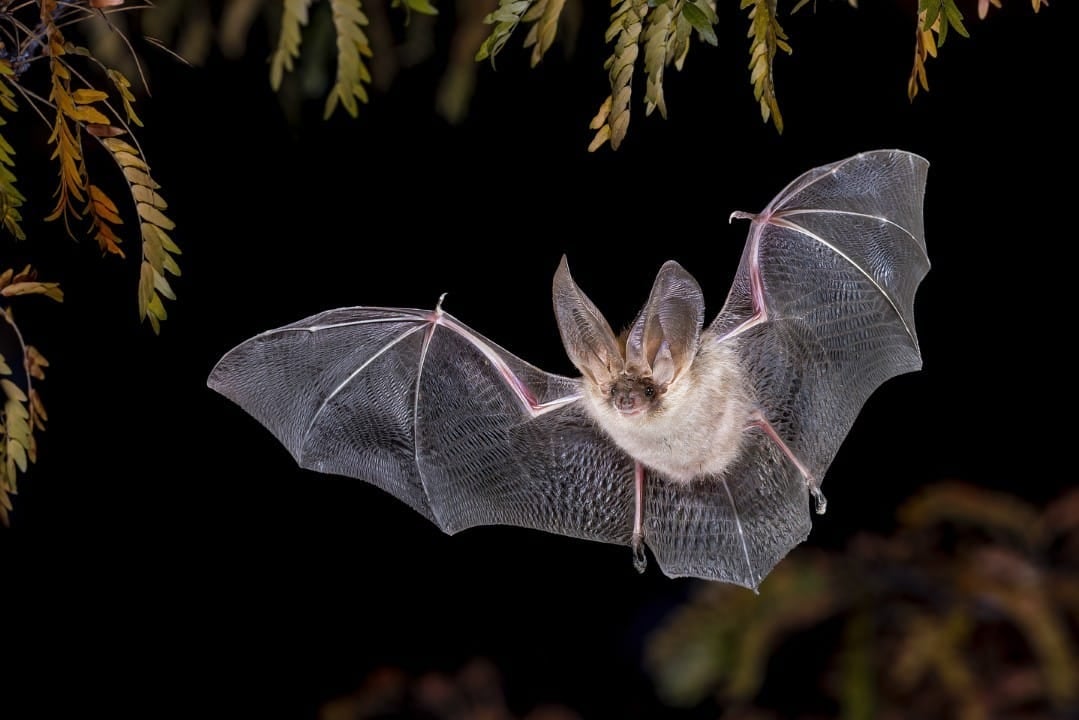
Morcegos represent the opposite end of this scale of daily inactivity in the animal kingdom. Flying mammals spend up to twenty hours hanging upside down inside dark caves. Gravity facilitates immediate takeoff in situations of imminent danger. The long period of dormancy conserves the energy needed for intense nighttime hunting. Slow metabolism favors survival.
Leões take advantage of their status as predators at the top of the food chain to sleep up to twenty hours a day. The feline does not need to worry about constant threats from other animals on the plain. The long period of inactivity usually occurs after the consumption of large killed prey. Prolonged rest repairs muscle fibers required during hunting bursts of speed.
Recent Descobertas on resting marine invertebrates
Polvos surprised the scientific community with highly complex patterns of inactivity on the seafloor. Pesquisadores identified that these molluscs alternate between a state of peaceful rest and a phase of intense agitation. The active period strongly resembles rapid eye movement sleep observed in humans. The discovery impresses biologists.
The cephalopod’s skin changes color and texture rapidly during this particular resting phase. The tentacles present involuntary muscle spasms while the animal remains sheltered in rocky crevices. The neurological activity recorded suggests that the brain processes complex information. The animal dreams. Tudo this occurs even without the presence of a structured backbone.
The scientific finding breaks the paradigm that only higher vertebrates have rest cycles divided into stages. Convergent evolution allowed creatures with completely different anatomies to develop similar neurological solutions. The deep sea hides fascinating behaviors. Science has only begun to unravel the mysteries of the ocean.
The impact of the environment on the quality of animal rest
Captivity significantly alters the behavioral patterns of several wild species around the globe. Animais sheltered in ecological sanctuaries or zoos lose the primary need for extreme vigilance against predators. The absence of real threats allows the body to relax in an unprecedented way. Stress decreases drastically.
Herbívoros who would normally sleep standing up in nature start to lie down for hours at a time in closed spaces. The constant availability of food also eliminates the need to conserve energy for long journeys of searching for food. Artificial comfort modifies old instincts. Comportamentos shaped by millions of years of evolutionary pressure quickly disappear.
Especialistas continues to monitor the brainwaves of different creatures to map the exact function of biological rest. Remote tracking technology allows for accurate observations without interfering with wild animals’ routines. Understanding these dynamics helps in creating more efficient strategies. The preservation of natural habitats depends on concrete data about animal life.



